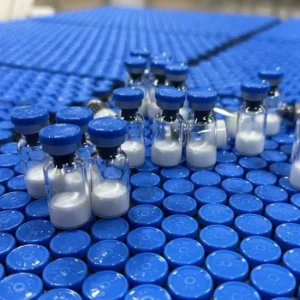
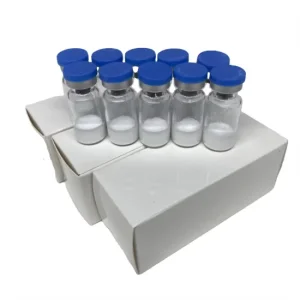
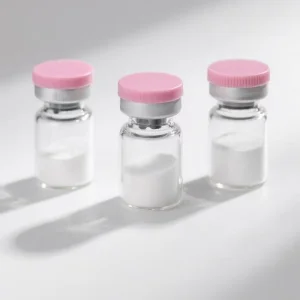
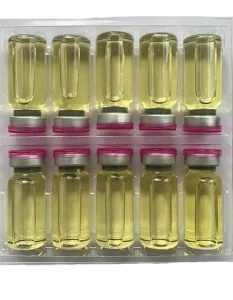
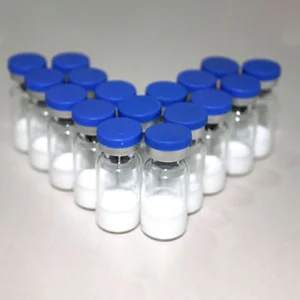
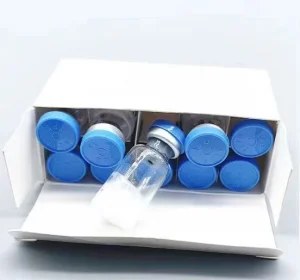
Discover our batch-tested portfolio of synthesized compounds, research peptides, and fine chemical precursors produced under cGMP-aligned manufacturing environments with complete analytical COAs.
(2-Bromoethyl)benzene (CAS 103-63-9, commonly referenced as Phenethyl Bromide, β-phenylethyl bromide, or benzene, (2-bromoethyl)-) serves as a primary, versatile alkylating electrophile in high-precision organic synthesis across pharmaceutical, agrochemical, and specialty polymer industries worldwide.
As a primary halogenated intermediate, (2-bromoethyl)benzene is heavily relied upon by pharmaceutical synthesis hubs in North America, Europe, and Asia for introducing the phenethyl pharmacophore into active central nervous system (CNS) agents, cardiovascular drugs, antihistamines, and therapeutic receptor ligands. Strict low-impurity thresholds require GC purity exceeding 99.0% with stringent limits on residual styrene and dibromoethyl derivatives.
Global enterprise buyers face constant market pressure from bromine feedstock price fluctuations and regional environmental shutdowns. As a premier source manufacturer, our direct vertical integration with basic bromine extraction facilities guarantees long-term cost containment, predictable multi-ton capacity allocations, and prompt shipping schedules across uninterrupted supply contracts.
Beyond active pharmaceutical ingredients, downstream agrochemical producers consume vast volumes of (2-bromoethyl)benzene to synthesize high-potency systemic fungicides, bactericides, and selective crop protectants. Furthermore, specialty polymer developers use it as a phase-transfer catalyst modifier and crosslinking chain-extender for advanced optical resination matrices.
Every commercial batch of (2-bromoethyl)benzene manufactured at our facilities undergoes strict quality control validation via gas chromatography (GC-FID/GC-MS), moisture titration, and organobromine impurity profiling.
| Analytical Parameter | Guaranteed Technical Specification | Typical Factory Lot Result | Analytical Test Method | Compliance Status |
|---|---|---|---|---|
| Chemical Name | (2-Bromoethyl)benzene / Phenethyl Bromide | (2-Bromoethyl)benzene | IUPAC Standard / Structural GC-MS | Conforms |
| CAS Number | 103-63-9 | 103-63-9 | International Registry | Conforms |
| Empirical Formula & MW | C8H9Br | 185.06 g/mol | C8H9Br | 185.06 g/mol | High-Res Mass Spectrometry (HRMS) | Conforms |
| Physical Appearance | Colorless to pale light yellow transparent liquid | Colorless transparent liquid | Visual Inspection Method | Conforms |
| Gas Chromatography (GC) Assay | ≥ 99.0% (Industrial) / ≥ 99.5% (Pharma Grade) | 99.62% | GC-FID (Capillary Column DB-624) | Passed |
| Density (20°C / 25°C) | 1.355 – 1.365 g/cm³ | 1.360 g/cm³ | Digital Density Meter (ASTM D4052) | Passed |
| Boiling Point | 220.0 – 222.0 °C (760 mmHg) / 92 °C (12 mmHg) | 220.8 °C | Distillation Thermal Range Metrology | Passed |
| Refractive Index (n20/D) | 1.555 – 1.559 | 1.557 | Abbe Refractometer Method | Passed |
| Moisture (Water Content) | ≤ 0.05% w/w (500 ppm max) | 0.018% w/w (180 ppm) | Karl Fischer Coulometric Titration | Passed |
| Residual Free Acid (as HBr) | ≤ 0.02% w/w (200 ppm) | 0.005% w/w (50 ppm) | Potentiometric Neutralization Titration | Passed |
Meeting modern environmental, social, and governance (ESG) standards alongside pharmaceutical-level consistency demands the abandonment of outdated batch reactors in favor of automated microchannel continuous flow hydrobromination.
Historically, (2-bromoethyl)benzene is synthesized through the nucleophilic substitution of 2-phenylethanol using phosphorus tribromide (PBr3) or 48% concentrated hydrobromic acid under reflux with sulfuric acid catalysis. While reliable on a pilot scale, classical bulk reaction vessels suffer from localized thermal hotspots, resulting in byproduct formation such as bis(phenethyl)ether, styrene elimination, and substantial phosphorus-contaminated liquid waste requiring hazardous treatment.
Our facility has pioneered scalable, continuous gas-liquid anti-Markovnikov addition of hydrogen bromide (HBr) gas to styrene in the presence of mild peroxide initiators. Utilizing dedicated micro-reaction engineering, residence times are reduced to seconds. This continuous-flow technique limits the formation of the Markovnikov isomer (1-bromoethylbenzene) to less than 0.15%, drastically boosting atomic economy and yields to exceed 94%.
To safeguard against thermal degradation during isolation, synthesized crude phenethyl bromide is directed into multi-stage thin-film falling evaporator columns under strict vacuum (below 5 mbar). This preserves the integrity of heat-sensitive bromoalkyl groups, systematically removing color precursors and trace volatile solvents, resulting in an exceptionally water-white, stable finished liquid ready for immediate GMP downstream synthesis.
From complex chiral pharmaceutical active ingredients to custom organometallic reagents, (2-bromoethyl)benzene is an indispensable building block across advanced chemistry segments.
Serves as the key starting building block for synthesizing phenethylamine derivatives, dopamine receptor agonists, sedatives, analgesics, and nootropic research molecules requiring precise carbon-chain spacing between aromatic ring motifs and nitrogenous centers.
A primary precursor for producing phenethyl esters, phenethyl ethers, and specialized floral macrocyclic scents (e.g., phenethyl acetate, rose oxide precursors) used broadly in high-end perfume formulations and consumer cosmetics.
Undergoes nucleophilic quaternization with tertiary amines and phosphines to generate phenethyl-substituted phase-transfer catalysts, enabling biphasic industrial alkylations, chiral inductions, and nucleophilic fluorinations.
Reacts efficiently with magnesium turnings or activated zinc dust to form phenethylmagnesium bromide (Grignard reagent) and phenethylzinc halides, critical in Kumada, Negishi, and Suzuki cross-coupling frameworks for OLED display polymers.
Sourcing dangerous goods requires more than a low price quotation. Our end-to-end hazardous logistics infrastructure guarantees safe global transit, rigorous UN-certified packaging, and smooth import customs clearance.
Supplied in UN-approved 250 kg net fluorinated high-density polyethylene (HDPE) drums, internal epoxy-lined carbon steel drums, or 1,200 kg intermediate bulk containers (IBCs). For R&D trials, specialized 1 kg, 5 kg, and 25 kg amber glass or fluorinated safety canisters are deployed with nitrogen blanket protection to prevent photo-oxidation and moisture intrusion.
Fully registered under EU REACH (Regulation (EC) No 1907/2006) for tonnage bands exceeding 100 MT/year, with complete SDS documentation compliant with GHS Revision 9. Listed on the United States TSCA inventory, Canadian DSL, and Australia AIIC, enabling frictionless commercial importing for regional distribution hubs without regulatory friction.
Phenethyl bromide degrades when exposed to persistent light, heat, and moisture. We operate dedicated bonded climate-controlled warehouse spaces at major export ports (Shanghai, Qingdao, Rotterdam, Los Angeles). Stocks are blanketed with dry industrial nitrogen gas (N2) to prevent discoloration, oxidation, and hydrolysis during overseas ocean freight.
Everything technical procurement directors, supply chain managers, and analytical chemists need to know when qualifying our (2-bromoethyl)benzene supply.
We supply two grades: Commercial Technical Grade (≥99.0% by GC) and High-Purity Pharmaceutical Synthesis Grade (≥99.5% by GC). Testing is conducted using Gas Chromatography with Flame Ionization Detection (GC-FID) on a capillary DB-624 column, paired with mass spectrometry confirmation (GC-MS) for molecular identity. Karl Fischer coulometry validates moisture levels below 0.05% w/w.
The principal impurities typically observed in (2-bromoethyl)benzene are unreacted styrene, residual 2-phenylethanol, 1-bromoethylbenzene (the Markovnikov isomer), and trace bis(phenethyl) ether. By utilizing our continuous-flow anti-Markovnikov hydrobromination system, we restrict 1-bromoethylbenzene to <0.15% and residual styrene to <0.10%, preventing unwanted cross-coupling side reactions during active API steps.
Phenethyl bromide is classified as Dangerous Goods for transport. Depending on final solvent extraction and acid treatment, it is typically shipped under UN 2810 (Toxic liquid, organic, n.o.s.) or UN 1993 / UN 3082 based on regional environmental categorization. All maritime shipments adhere strictly to IMO/IMDG codes, complete with Dangerous Goods Declarations (DGD), UN-certified packaging specs, and certified seaworthy bracing.
Yes. We accommodate packaging ranging from 1 kg amber bottles for research labs up to 250 kg fluorinated steel drums and 1,200 kg IBC containers. We provide OEM contract packaging with lot tracking barcodes matching batch COAs. Buyers can also take advantage of our local warehouse consignment reserves in the US and Europe for 48-hour dispatched dock delivery.
(2-Bromoethyl)benzene has a guaranteed shelf life of 24 months when stored unopened under proper conditions. It should be housed in tightly sealed, light-resistant, fluorinated or glass containers, blanketed with inert nitrogen (N2) gas, and kept in a cool, well-ventilated warehouse below 25°C (ideally 2–8°C for prolonged pharmaceutical storage) away from direct sunlight, open flames, and moisture.
Complete your procurement cycle with our verified library of hormonal regulators, metabolic cofactors, and synthetic bio-peptides supported by comprehensive batch-level analytical releases.