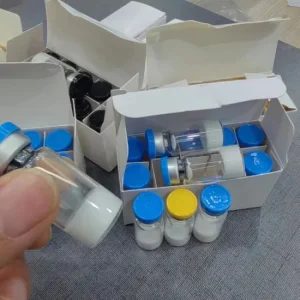
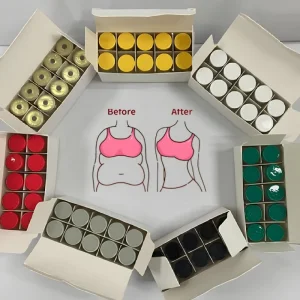
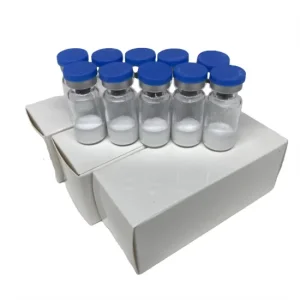
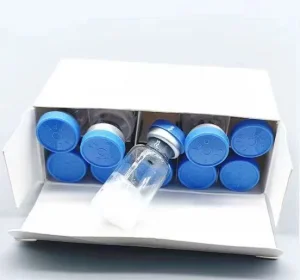
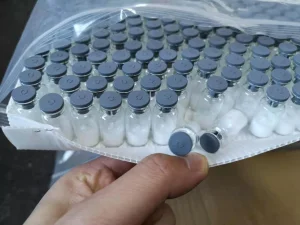
Verified laboratory supply batches available for direct contract supply, analytical validation, and bulk B2B procurement with full batch-specific HPLC-MS authentication.
A comprehensive examination of identity verification, chromatographic profiles, synthetic impurity control, and standard release criteria for analytical institutions and contract manufacturers.
| Analytical Parameter | Monograph Target Specification | Testing Methodology | Release Compliance |
|---|---|---|---|
| CAS Registry Number | 191790-79-1 | CAS Verification / Chemical Abstract Database | Confirmed Identity |
| Assay / Chemical Purity | ≥ 99.0% (Single Impurity ≤ 0.5%) | Reversed-Phase HPLC (UV-VIS Detection @ 220nm) | Validated Batch Release |
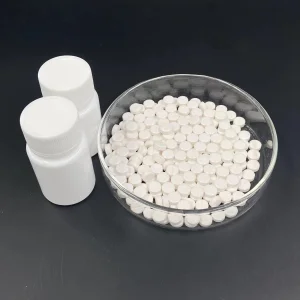
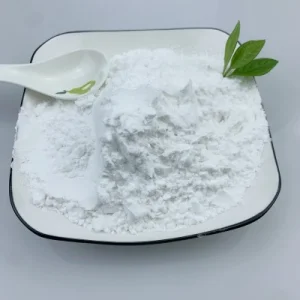
| Physical Appearance | Off-white to ultra-pure crystalline powder | Visual & Microscopic Optical Inspection | Uniform Microcrystalline |
| Identification Profile | Conforms to Reference Standard | Proton NMR (1H-NMR) & High-Res LC-MS | Consistent Molecular Fingerprint |
| Residual Solvents | Meets USP <467> / ICH Q3C Limits | Headspace Gas Chromatography (GC-FID) | < 50 ppm Methanol / < 20 ppm Acetonitrile |
| Heavy Metal Limits | Total Metals ≤ 10 ppm (Lead, Cadmium, Mercury, Arsenic) | Inductively Coupled Plasma Mass Spec (ICP-MS) | Meets Strict USP Criteria |
| Loss on Drying / Moisture | ≤ 1.0% Karl Fischer Water Content | Automated Karl Fischer Coulometric Titration | Dry Form Stability Standard |
The manufacturing architecture for Cas 191790-79-1 requires high-efficiency convergent synthesis. Through automated solid-phase reactors and multi-step crystalline isolation, the synthetic trajectory minimizes diastereomeric impurities and truncated chains.
Preparative reversed-phase HPLC (RP-HPLC) with axial compression columns is utilized during downstream purification. This ensures baseline separation between target compounds and closely related stereoisomers.
Stress degradation studies performed according to ICH Q1A(R2) conditions evaluate hydrolytic, oxidative, photolytic, and thermal resilience under controlled relative humidity and extreme environments.
Structural realignments across North American, European, and Asia-Pacific contract analytical chemistry sectors driving demand for verified CAS 191790-79-1 bulk materials.
Global pharmaceutical purchasers and contract research organizations (CROs) have shifted from baseline Certificate of Analysis (COA) acceptance to full raw spectrum data ingestion. Procurement committees require interactive FID files, raw LC-MS chromatograms, and trace inorganic impurity footprints before onboarding vendor lines.
Despite regional legislative conversations surrounding API repatriation in the US and EU, fine chemical manufacturers in Asia maintaining high-precision Industry 4.0 infrastructure continue to deliver unmatched economies of scale, process repeatability, and rapid delivery pipelines for complex intermediates.
Environmental, Social, and Governance (ESG) mandates have accelerated solvent-recovery technologies in chemical production. Synthesizing CAS 191790-79-1 now demands low-VOC footprints, catalytic recycling systems, and audited waste-stream documentation aligning with ISO 14001 operational standards.
Harnessing automated chemical execution systems (MES), continuous flow microreactors, and intelligent process analytical technology (PAT) for world-class CAS 191790-79-1 synthesis.
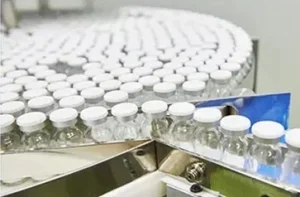
Transitioning from antiquated large-vessel batch synthesis to microchannel continuous flow chemical systems. This microreactor technology mitigates thermal spikes, optimizes residence timing, eliminates side-chain degradation, and yields batch uniformity exceeding standard laboratory parameters.
Our Hebei and international manufacturing lines incorporate real-time Process Analytical Technology (PAT). Using near-infrared (NIR) and in-situ Raman spectroscopy probes, reaction stoichiometry is automatically adjusted dynamically, keeping synthesis parameters strictly locked within optimal release metrics.
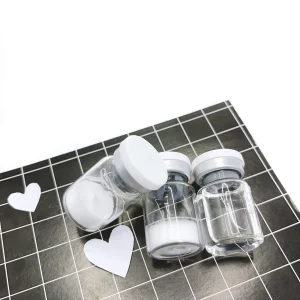
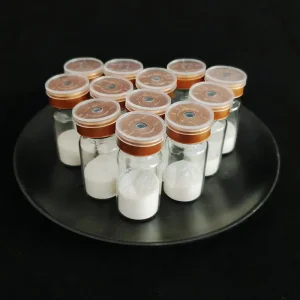
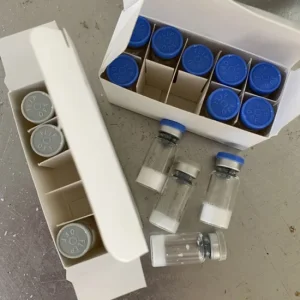
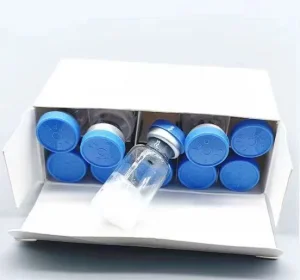
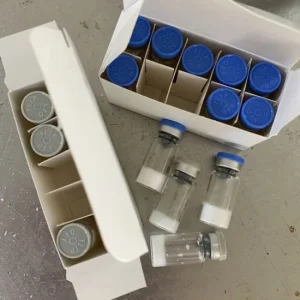
Exporting high-purity chemical powders, peptide vials, and fine compounds demands an unbreakable thermal chain. Vacuum-sealed inner glass containers, inert argon headspaces, medical-grade cold packs, and IoT temperature data-loggers guarantee molecular integrity across air transit routes to every continent.
Bridging pure chemical manufacture with localized enterprise operational requirements, custom OEM compounding, and reference standard integration.
Analytical testing agencies and third-party contract testing laboratories require primary reference materials for HPLC column validation, system suitability assays, and relative retention factor (RRF) determinations in chromatographic verification.
For custom CDMO partners operating multi-ton synthesis pathways, Cas 191790-79-1 functions as a pivotal structural intermediate. Its high crystal purity prevents unreacted carryover and avoids catalyst poisoning during subsequent cross-coupling procedures.
Universities, medical institutes, and biotech exploratory programs leverage research-grade compounds to elucidate receptor affinity, metabolic kinetics, enzymatic stability, and pharmacokinetic/pharmacodynamic (PK/PD) mechanistic dynamics.
Answers to foundational due diligence queries from contract laboratories, international procurement directors, and regulatory compliance officers.
Explore complementary active APIs, GLP receptor ligands, and reference standards engineered under cGMP-compliant fine chemical standards.