Verified analytical specifications, export-grade vacuum packaging, and certified batch-to-batch consistency for institutional research institutions and licensed distributors.
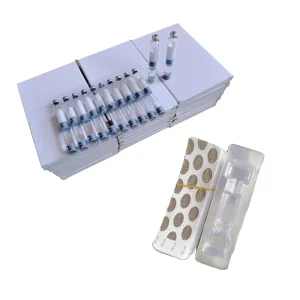
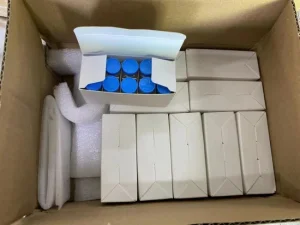

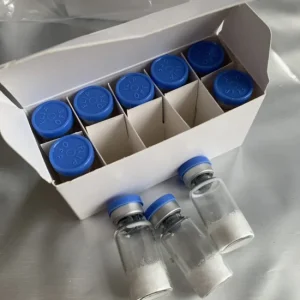
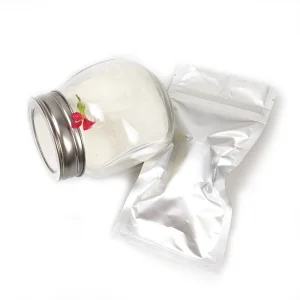
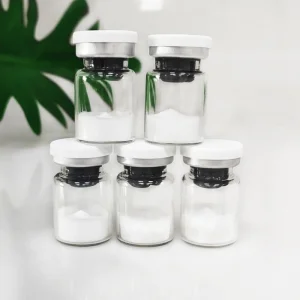
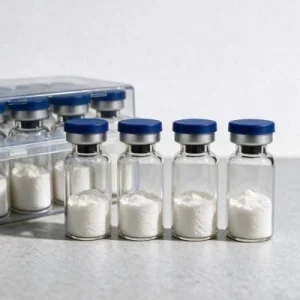
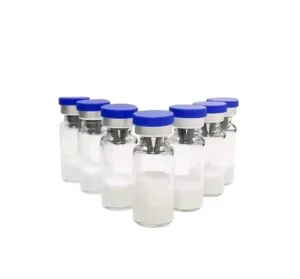
Comprehensive molecular profiling, purity thresholds, and release criteria for global chemical procurement specialists and regulatory compliance officers.
CAS 23076-35-9 designates Xylazine Hydrochloride (N-(2,6-dimethylphenyl)-5,6-dihydro-4H-1,3-thiazin-2-amine hydrochloride), a well-established non-narcotic compound widely recognized as a potent α2-adrenergic receptor agonist. Originally developed in fine chemical synthesis laboratories for sedative, analgesic, and central muscle relaxant investigations, the chemical entity functions via central presynaptic α2 receptors, significantly decreasing norepinephrine and dopamine release across biological systems.
For industrial chemical manufacturers, custom synthesis houses, and pharmaceutical intermediate formulators, CAS 23076-35-9 presents unique crystallization behavior, hygroscopic characteristics, and thermal stability requirements. Maintaining reproducible batches demands rigid process control throughout condensation, salt-formation, recrystallization, and vacuum-drying operations. Sourcing from certified manufacturers ensures compliance with stringent international analytical standards, eliminating common structural isomer impurities and hazardous process contaminants.
| Analytical Parameter | Pharmacopeial / Industrial Standard | Typical Factory Batch Result | Test Methodology |
|---|---|---|---|
| Chemical Name | Xylazine Hydrochloride | Conforms to Structure | IUPAC Systematics |
| CAS Registry Number | 23076-35-9 | Validated Match | CAS Inventory Registry |
| Molecular Formula & Weight | C12H16N2S · HCl (256.79 g/mol) | 256.80 g/mol | High-Res Mass Spectrometry (HRMS) |
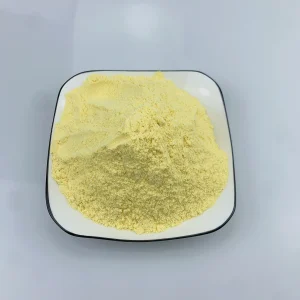
| Physical Appearance | White to practically white crystalline powder | White microcrystalline powder | Visual Inspection (USP <630>) |
| Chromatographic Purity (HPLC) | ≥ 98.5% (EP/USP Grade) | 99.4% – 99.8% | RP-HPLC (UV detection at 254 nm) |
| Melting Point Range | 164.0 °C – 168.0 °C (with decomposition) | 165.2 °C – 166.8 °C | Capillary Melting Apparatus |
| Loss on Drying (LOD) | ≤ 0.50% | 0.18% | Thermogravimetric / Vacuum Oven |
| Residue on Ignition (Sulfated Ash) | ≤ 0.10% | 0.04% | Muffle Furnace (600 °C ± 50 °C) |
| Heavy Metals Content | ≤ 10 ppm | < 5 ppm | ICP-MS Heavy Metal Screening |
| Residual Solvents (ICH Q3C) | Methanol < 3000 ppm, Acetone < 5000 ppm | Non-detected to traces < 100 ppm | Headspace Gas Chromatography (HS-GC) |
Analytical verification is the primary pillar of chemical trustworthiness. Qualified manufacturers implement reverse-phase HPLC systems utilizing C18 silica stationary phases with gradient acetonitrile/water buffers to quantify primary compound concentration and detect trace impurities.
Structural confirmation requires multimodal identity verification. High-resolution Proton and Carbon Nuclear Magnetic Resonance (1H-NMR, 13C-NMR) coupled with Fourier-Transform Infrared (FTIR) spectroscopy establishes exact chemical conformation without isomer cross-contamination.
As a hydrochloride salt, CAS 23076-35-9 demonstrates marked thermodynamic stability but requires careful moisture protection to avoid crystal agglomeration and polymorphic shifts under elevated relative humidity conditions.
Market segmentation, international import-export flows, regulatory evolution, and macroeconomic drivers governing active substance procurement.
CAS 23076-35-9 remains an indispensable therapeutic active pharmaceutical ingredient (API) across large-animal veterinary healthcare. Formulated into sterile injectable solutions (typically 20 mg/mL and 100 mg/mL), it is routinely applied in equine medicine, bovine surgery, and companion animal diagnostics for its reliable sedation, muscular relaxation, and visceral analgesia.
Additionally, wildlife conservation programs and zoological field veterinary teams rely on standardized combinations (such as xylazine-ketamine formulations) for the safe handling, tagging, and surgical treatment of wild ungulates and captive species.
In academic institutions, contract research organizations (CROs), and biomedical research centers, high-purity Xylazine Hydrochloride is universally deployed as a reference agonist in rodent neurological and cardiovascular research. Studies evaluating α2A, α2B, and α2C receptor subtypes depend on ultrapure material to eliminate receptor binding noise caused by trace unreacted precursors or side-chain synthesis artifacts.
The compound also acts as a vital benchmark in metabolic studies exploring adrenergic regulation of insulin release and blood glucose modulation.
Over recent years, international regulatory bodies—including the US FDA, DEA, European EMA, and Asian border control agencies—have instituted enhanced oversight and import surveillance over CAS 23076-35-9 to curb non-veterinary diversion and counterfeit adulteration. For enterprise buyers, this heightened regulatory scrutiny makes working with certified, legally structured chemical suppliers non-negotiable.
Legitimate industrial buyers require verified end-user declarations (EUDs), transparent chain-of-custody documentation, and complete analytical disclosure before entering supply agreements.
Vertical upstream integration, modern glass-lined automated reactor clusters, and robust economies of scale deliver unmatched cost-performance for global B2B procurement.
Chinese fine-chemical production hubs benefit from immediate domestic proximity to core feedstocks, including 2,6-dimethylaniline and isothiocyanate intermediates. Direct pipeline and bulk container access to basic chemical precursors insulates Chinese synthesis plants from the global raw-material supply shocks experienced by European and North American toll manufacturers.
Leading facilities in Hebei and Shandong deploy distributed control systems (DCS) governing multi-stage condensation reactions. Real-time temperature regulation, stoichiometric reagent dosing, and automated pH controllers during the hydrochloric acid addition phase minimize isomer formation and boost one-pass yield to over 91.5%.
By operating multi-ton synthesis reactors, Chinese manufacturers achieve drastic reductions in energy, labor, and testing amortization per kilogram. Global enterprise buyers leverage this high production capacity to secure stable, multi-year contract pricing shielded from short-term spot market volatility and regional chemical tariff fluctuations.
Export teams stationed at major Chinese maritime hubs (Tianjin, Qingdao, Shanghai) are deeply versed in international chemical clearance protocols. They provide pre-shipment DGM hazardous goods evaluations, certified UN drums, tamper-evident seals, and complete customs documentation packets for swift arrival at destination ports worldwide.
A systematic audit matrix for chemical procurement directors, quality assurance managers, and global supply chain executives.
Never rely solely on single-page vendor statements. Sourcing teams must demand unredacted, raw analytical instrument readouts before releasing payment or approving customs transit.
Proper bulk packing determines whether high-purity chemical batches survive long oceanic or air freight without clumping, degradation, or oxidative degradation.
In high-demand or legally constrained chemical sectors, reliance on spot-market traders exposes procurement teams to fatal supply interruptions and price gouging.
Continuous flow chemistry, solvent recovery closed loops, and modern crystallization control reshaping the production economics of heterocyclic compounds.
Conventional batch synthesis of 1,3-thiazine intermediates frequently encounters localized overheating, giving rise to persistent polymeric by-products. Modern Chinese facilities are increasingly transitioning primary reaction pathways into continuous micro-reactors, which offer instantaneous heat dissipation, exact stoichiometric mixing, and dramatically improved atom economy.
Under tightening global ESG frameworks and China's national environmental protection guidelines, leading factories incorporate vacuum distillation recovery systems capable of reclaiming over 94% of operational organic solvents (such as ethanol, acetone, and ethyl acetate), sharply curtailing volatile organic compound (VOC) emissions while driving production overhead down.
Next-generation suppliers are implementing blockchain-enabled ERP systems linking manufacturing equipment telemetry directly with customer batch certificates. Scanning a drum barcode instantly retrieves real-time reactor run profiles, analytical HPLC spectra, environmental monitoring data during packaging, and authorized warehouse logistics histories.
Comprehensive answers addressing common questions regarding CAS 23076-35-9 analytical verification, packaging parameters, storage protocols, and global import compliance.
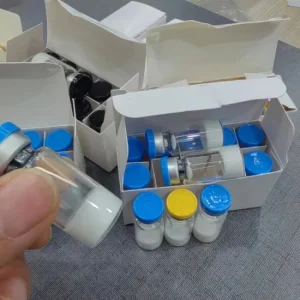
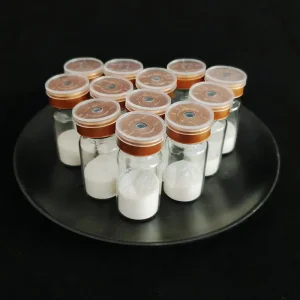
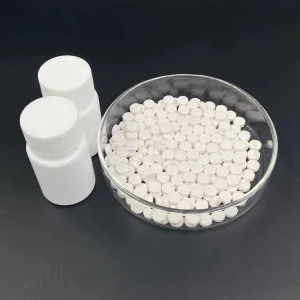
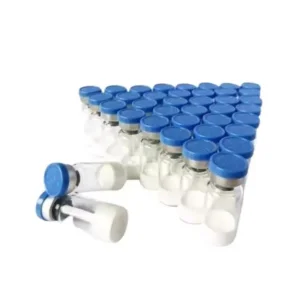
Explore our extensive portfolio of high-purity synthetic peptides, hormone-releasing secretagogues, and advanced fine chemicals manufactured for global institutional distributors.
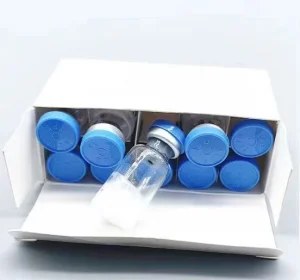
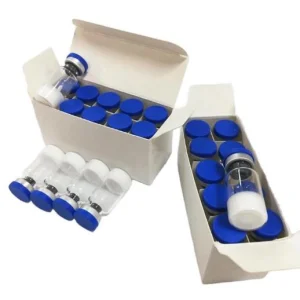
Connect directly with our fine chemical synthesis specialists and regulatory compliance officers. Receive custom quotes, comprehensive analytical dossiers, and formal proforma invoices within 24 hours.

