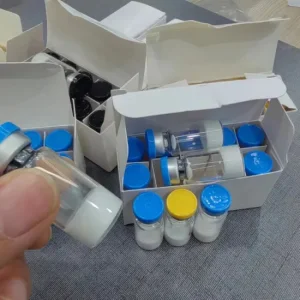
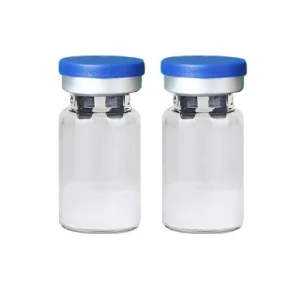
Explore high-purity batch releases, bio-compounds, and laboratory standard APIs certified under stringent mass-spectrometric validations.
A comprehensive examination of amino-amide anesthetic manufacturing, global supply volatility, and shifting regulatory frameworks.
Lidocaine (2-(diethylamino)-N-(2,6-dimethylphenyl)acetamide) remains on the WHO Model List of Essential Medicines. The rapid surge in minimally invasive cosmetic procedures (dermal fillers, micro-needling, laser tattooing) has expanded downstream demand for high-mesh micronized Lidocaine Base and high-solubility Lidocaine HCl beyond traditional hospital surgical suites.
The manufacturing continuum relies on the steady condensation of 2,6-dimethylaniline with chloroacetyl chloride, followed by nucleophilic substitution using diethylamine. Structural fluctuations in upstream petrochemical fractions directly impact downstream API yield and impurity profiles, favoring vertically consolidated manufacturers capable of in-house intermediate synthesis.
Global authorities—including the US FDA, EMA, and PMDA—have intensified inspection routines concerning secondary and tertiary amine synthesis pathways. Rigorous assessment for trace N-nitrosamines and solvent residuals (ICH Q3C/Q3D compliance) separates basic chemical traders from audit-ready industrial synthesis partners.
How domestic industrial clustering, automation, and closed-loop environmental controls enable unmatched supply reliability.
By operating inside designated high-tech chemical industrial parks, raw precursor materials (xylidine and alkyl halides) are piped directly into primary continuous-flow reactors. This geographical consolidation eliminates transit interruptions, isolates batch variance, and neutralizes cross-border trade bottlenecks.
Replacing antiquated batch reactor kettles with micro-channel crystallization platforms enables exact thermodynamic regulation during exothermal amination. This diminishes thermal degradation, keeps 2,6-dimethylaniline residue far below EP/USP limits, and delivers uniform crystal morphology suited for downstream formulating.
Every industrial lot is produced under cGMP-aligned manufacturing environments. Complete dossier packages—including Drug Master Files (DMF), Certificates of Suitability (CEP), full HPLC assay printouts, heavy metal ICP-MS quantification, and stability study data sets—are provided directly to tier-1 pharmaceutical auditors.
Comparing physical chemistry attributes, standard tolerances, and multi-sector implementation protocols.
Physical State: White to off-white crystalline powder.
Solubility: Highly lipophilic; practically insoluble in water, freely soluble in ethanol, diethyl ether, and oils.
Primary Target Domains: Transdermal pain-relief patches (e.g., post-herpetic neuralgia), OTC anesthetic ointments, aesthetic numbing creams, and tattoo soothing emollients requiring extended lipophilic tissue penetration.
Physical State: Crystalline powder with monohydrate matrix.
Solubility: Freely soluble in water (1:0.7) and ethanol; ideal for aqueous formulations.
Primary Target Domains: Injectable infiltrative dental anesthesia, intravenous cardiac antiarrhythmic infusions (Vaughan Williams Class Ib), mucosal sprays, endoscopic lubricating jellies, and emergency cardiac interventions.
| Analytical Parameter | USP Compendial Standard | EP / BP Monograph Spec | Factory Batch Release Spec |
|---|---|---|---|
| Assay (Titration / HPLC) | 98.0% – 102.0% (Dried basis) | 99.0% – 101.0% (Anhydrous) | 99.85% – 100.15% |
| Melting Range | 66°C to 69°C (Base) | 66°C to 69°C (Base) | 67.2°C – 68.4°C |
| Related Substances (2,6-DMA) | NMT 0.01% (100 ppm) | NMT 0.01% (100 ppm) | Conforms (<10 ppm, GC-MS) |
| Loss on Drying | NMT 0.5% | NMT 0.5% | 0.18% |
| Residue on Ignition | NMT 0.1% | NMT 0.1% | 0.04% |
| Heavy Metals (as Pb) | NMT 20 ppm | NMT 10 ppm | <5 ppm (ICP-MS verified) |
Critical trends guiding B2B contract negotiations, inventory hedging, and regulatory audits through 2026–2030.
Global pharmaceutical brand owners are shifting from single-origin procurement to dual-track architectures. Securing direct contracts with baseline primary synthesis factories mitigates supply shocks triggered by regional plant turnarounds, customs clearance volatility, and fluctuating maritime freight tariffs.
Generic transdermal patch manufacturers demand specialized D90 particle distribution curves (<20 µm) to guarantee consistent dermal dissolution without phase separation. Direct factory micronization eliminates third-party toll milling costs and prevents electrostatic clumping during cleanroom processing.
Global regulatory bodies evaluate ESG metrics alongside pure synthesis yields. Our continuous process architecture incorporates closed-loop solvent vacuum recycling (>92% recovery efficiency) and biological wastewater processing, delivering an audit-compliant, ecologically responsible supply chain.
A rigorous 5-stage verification architecture ensuring international pharmacopeial compliance on every batch.
Incoming inspection of 2,6-dimethylaniline and intermediate precursors using GC-FID and Karl Fischer titration to identify trace contaminants prior to synthesis.
Continuous-flow synthesis monitored through automated inline process analytical technology (PAT) to prevent over-alkylation and suppress impurity production.
Solvent purification cycles in cleanroom environments to isolate crystals, stabilize particle sizes, and eliminate trace residual solvents below ICH thresholds.
Every commercial batch is screened with calibrated HPLC, GC-MS for volatiles, and ICP-MS for heavy metals. Full chromatographic data are compiled in the Certificate of Analysis.
Sealed in double-layer antistatic polyethylene barrier bags, protected within reinforced fiber drums, and dispatched with tamper-evident serial security seals.
Direct technical responses addressing regulatory documentation, logistics capabilities, and product purity.
Every batch includes an authentic Certificate of Analysis (COA) containing batch-specific HPLC purity assays, residual solvent analysis (ICH Q3C), heavy metal limits (ICP-MS), and loss-on-drying measurements. Complete Drug Master File (DMF) open parts, MSDS/SDS, and TSE/BSE certifications are readily supplied to qualify client regulatory filings.
Our synthesis uses dedicated reaction pathways that preclude the use of nitrosating agents in steps involving secondary amines. Raw materials and process water are continuously surveyed using validated LC-MS/MS testing protocols, ensuring compliance with EMA and FDA nitrosamine action thresholds.
Yes. We supply standard crystalline fractions as well as custom-milled, micronized grades (D50 < 10 µm, D90 < 20 µm) via air-jet milling. Particle distributions are verified via laser diffraction (Malvern Mastersizer) and reported directly on the custom specification sheet.
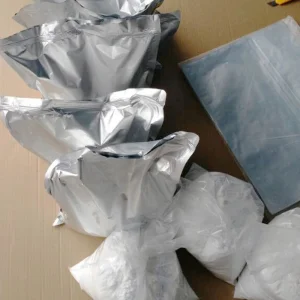
Standard industrial packaging consists of 25 kg net fiber drums lined with dual antistatic pharmaceutical-grade polyethylene liners. Custom containerization, nitrogen-flushed packaging for extended storage, and specialized smaller volume pack formats (1 kg / 5 kg aluminum bags) are available upon enterprise agreement.
Our experienced chemical trade department manages standard export declarations, HS code verification (Lidocaine Base HS: 2924299090 / HCl HS: 29242990), and multi-modal logistics options (air express, sea freight consolidation, DDP terms to eligible jurisdictions) with tracking throughout transport.
We support prospective corporate clients by providing pre-shipment pilot samples alongside our internal analytical data. We also welcome independent third-party laboratory verification (e.g., SGS, Eurofins) prior to lot release.
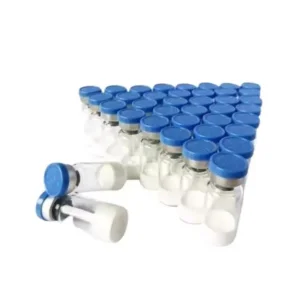
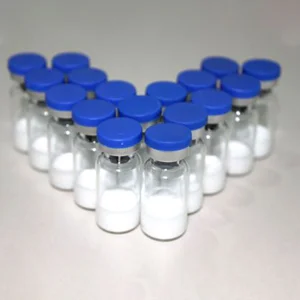
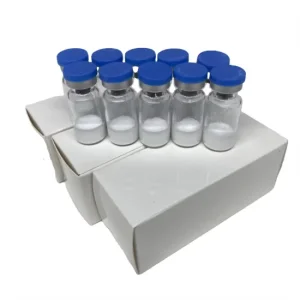
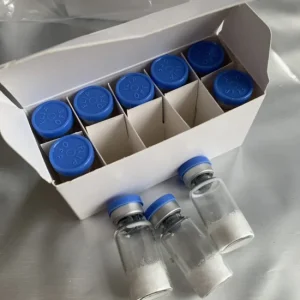
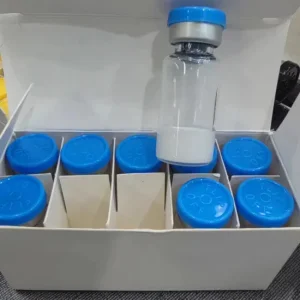
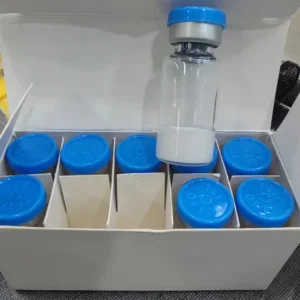
Lyophilized peptides, targeted active compounds, and fine-chemical materials available for global procurement.