Precision-synthesized, HPLC batch-verified reference standards and pharmaceutical-grade chemical entities available for global institutional dispatch with complete regulatory dossiers.
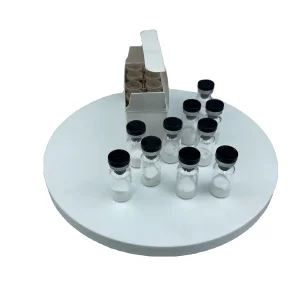
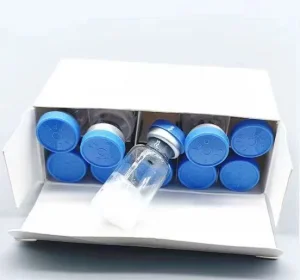
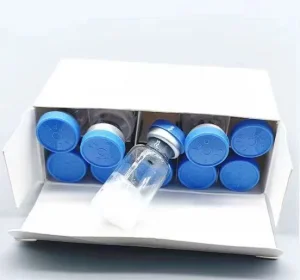
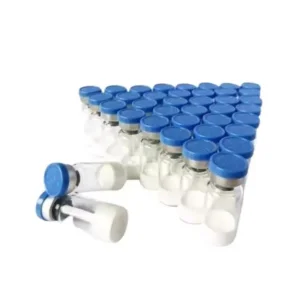
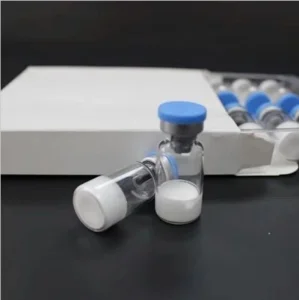
Testosterone Acetate (CAS 1043-47-1) represents the short-chain acetate ester conjugate of endogenous testosterone, engineered to modulate bioavailability through rapid enzymatic cleavage.
Formulated as 17β-(Acetyloxy)androst-4-en-3-one, the compound features an acetyl group covalently bonded via ester linkage at the 17-beta hydroxyl site of the cyclopentanoperhydrophenanthrene steroidal core. With a molecular formula of C₂₁H₃₀O₃ and a molar mass of 330.46 g/mol, the two-carbon acetate side chain significantly elevates lipophilicity compared to unesterified base testosterone, while yielding a substantially faster hydrolytic release rate than propionate (C3), enanthate (C7), or cypionate (C8) analogues.
Following intramuscular or subcutaneous administration in laboratory models, the molecule acts as a depot prodrug. Endogenous non-specific tissue esterases and circulating carboxylesterases rapidly cleave the acetyl moiety, releasing parent testosterone into systemic circulation. The active half-life of Testosterone Acetate spans approximately 24 to 36 hours, making it the premier target for specialized therapeutic regimens requiring rapid titratability and minimal cumulative plasma retention.
The compound exhibits a precise melting point profile between 139°C and 141°C. In its micronized crystalline state, it displays superior dissolution kinetics in pharmaceutical carrier vehicles such as ethyl oleate, benzyl benzoate, and USP-grade medium-chain triglycerides (MCT). Because of its compact acyl chain, Testosterone Acetate achieves higher molar density per milligram than longer-chain esters, delivering approximately 87% free testosterone by weight.
| Analytical Parameter | Monograph Limit (USP / In-House) | Observed Factory Release Value | Test Methodology |
|---|---|---|---|
| Chemical Name | 17β-(Acetyloxy)androst-4-en-3-one | Conforms to Structure | ¹H-NMR / ¹³C-NMR Spectroscopy |
| CAS Registry Number | 1043-47-1 | 1043-47-1 Verified | Chemical Registry Index |
| Chromatographic Purity (HPLC) | ≥ 98.50% Area Normalization | 99.42% – 99.68% | RP-HPLC (C18, 240nm UV Detection) |
| Melting Range | 138.0°C – 142.0°C | 139.5°C – 140.8°C | Capillary Melting Method (EP 2.2.60) |
| Loss on Drying (LOD) | ≤ 0.50% | 0.18% | Thermogravimetric Analysis (105°C) |
| Specific Optical Rotation [α]D | +79.0° to +85.0° (in dioxane) | +82.4° | Polarimetry (Sodium D-line, 20°C) |
| Residual Solvents (ICH Q3C) | Ethanol < 5000 ppm; Ethyl Acetate < 5000 ppm | Complies with Class 2 & 3 Thresholds | Headspace Gas Chromatography (HS-GC-MS) |
| Bacterial Endotoxins | < 0.12 EU/mg API | < 0.05 EU/mg (Apyrogenic) | Chromogenic Kinetic LAL Assay |
Industrial Synthesis Note: Modern synthesis of Testosterone Acetate starts from sustainable phytosterol raw materials derived from non-GMO soy or pine oil sterols (primarily β-sitosterol and campesterol). Microbial side-chain cleavage using Mycobacterium neoaurum strains yields 4-androstene-3,17-dione (4-AD). Subsequent chemoselective 17-ketone hydride reduction followed by precision O-acetylation using acetic anhydride under nitrogen purging guarantees exceptional enantiomeric purity and total absence of 17α-epimer contaminants.
Scaling steroidal API synthesis from bench-top grams to multi-ton industrial outputs introduces critical fluid dynamics, heat dissipation constraints, and solid-state polymorphic challenges.
Steroidal esters frequently generate meta-stable solvates or amorphous phases during sudden solvent-antisolvent displacement. Our chemical manufacturing plants implement real-time Focused Beam Reflectance Measurement (FBRM) coupled with in-line FTIR probes during the crystallization cycle. By systematically metering the cooling trajectory from 65°C down to 5°C in ethanol/water systems, we isolate solely Form I crystalline Testosterone Acetate, preventing crystal lattice shearing and batch dissolution variation in downstream processing.
Uniformity of active pharmaceutical ingredients (APIs) in suspension formulations or high-load lipid solutions directly depends on particle morphology. We operate cleanroom fluid-energy spiral jet mills using cold, dry nitrogen gas at -10°C to avert local thermal degradation. Our standard specification delivers a narrow particle size distribution: D10 < 5 µm, D50 < 18 µm, and D90 < 42 µm. This micron size control accelerates dissolving speed in carrier vehicles by over 300% relative to un-milled crystalline slabs.
Navigating the global trade ecosystem for hormone intermediates demands deep foresight regarding regulatory reclassifications, raw precursor volatility, and transnational trade compliances.
China maintains a pivotal role as the primary global manufacturing engine for steroidal intermediates, driven by cutting-edge industrial fermentation plants for 4-AD and 1,4-ADD. Leading API buyers across North America, the European Union, Southeast Asia, and Latin America rely on direct factory contracts to mitigate multi-tier middleman markups, insulate against synthetic intermediate shortages, and secure stable quarterly delivery schedules.
International regulatory bodies, including the US FDA, EMA, and Japan's PMDA, are increasingly auditing steroidal supply chains for elemental impurities (ICH Q3D) and mutagenic nitrosamine risks. Our factory operations support institutional enterprise clients by providing ready access to DMF Open Parts, comprehensive validation packages, and dynamic stability studies conducted under ICH climate zones II, IVa, and IVb.
Geopolitical adjustments and shipping freight fluctuations underscore the necessity of robust supply channel architecture. Miaoou supports B2B partners through diversified logistics corridors, temperature-controlled air freight solutions, automated export declaration workflows, and dedicated safety stock holding facilities in bonded logistic zones to ensure zero downtime for continuous contract manufacturing lines.
Stringent adherence to cGMP guidelines (21 CFR Parts 210/211) and international pharmacopeial standards ensures uncompromising traceability from raw phytosterol to final packaged API drum.
Every synthesis lot is controlled by automated Electronic Batch Records (eBR). Critical Process Parameters (CPPs) including reactor temperature, pressure, reaction duration, and agitator RPM are logged under 21 CFR Part 11 electronic signature systems.
In the absence of a standalone standalone USP monograph for pure Testosterone Acetate powder, testing protocols are benchmarked against the harmonized General Chapters of USP, EP, and ChP, applying strict thresholds for steroidal impurities and organic volatiles.
Our entire supply chain utilizes 100% plant-origin raw materials, entirely exempt from animal spongiform encephalopathy vectors. Facilities maintain strict non-allergen isolation with annual third-party biosafety audits.
We supply standardized Harmonized System (HS) documentation (HS Code 2937220000), legally verified Dangerous Goods / Non-DG certifications, technical Safety Data Sheets (SDS), and custom packaging compliant with UN hazardous transport parameters.
Testosterone Acetate delivers distinct pharmaceutical utility across multiple specialized downstream sectors, driven by its ultra-fast ester cleavage profile and high molecular potency.
In specialized compounding pharmacy environments and clinical hormone replacement research (TRT), Testosterone Acetate is formulated as a rapid-onset component within tailored multi-ester injectables or customized topical transdermal solutions. Its immediate ester hydrolyzation enables rapid physiological peak hormone serum concentrations within 12 hours, serving clinical protocols where rapid clearance is required to avoid prolonged pituitary hypothalamic-pituitary-gonadal (HPG) axis suppression.
In veterinary pharmacology research, Testosterone Acetate serves as an active chemical tool for investigating androgen-dependent protein synthesis, nitrogen balance, and reproductive cycle regulation in non-human animal models. Its fast metabolic clearance ensures that research models can be evaluated with high temporal resolution without extended endocrine confounding effects, assisting in scientific assessments of feed efficiency and livestock metabolic dynamics.
Accredited analytical reference laboratories and World Anti-Doping Agency (WADA) affiliated testing centers require ultra-pure (≥99.5%) Testosterone Acetate for calibration curves in Gas Chromatography-Combustion-Isotope Ratio Mass Spectrometry (GC-C-IRMS) and LC-MS/MS assays. These reference standards enable sensitive quantification of synthetic testosterone esters, metabolic degradation intermediates, and exogenous carbon isotope variations in equine and human athletic doping surveillance.
In medicinal chemical synthesis and contract research organizations (CROs), Testosterone Acetate acts as a strategic structural intermediate for producing hybridized steroidal molecules, selective androgen receptor modulators (SARMs), and conjugated prodrugs. The temporary 17β-acetyl protecting group simplifies selective modifications at positions C1, C2, C4, C6, and C7 on the steroidal scaffold while keeping the sensitive 17-hydroxyl group intact.
The future of steroidal API production focuses on moving beyond traditional large-volume batch vessels toward continuous process engineering, automated artificial intelligence controls, and sustainable chemistry.
By shifting acetylation reactions from 3000-liter batch reactors into continuous microchannel reactors, we reduce contact times from hours to milliseconds. This precise residence-time distribution effectively eliminates thermal hotspots, limits the formation of 4,6-dien-3-one side-reaction byproducts, and cuts overall process solvent volumes by over 40%.
Our R&D group is actively transitioning classic chemical esterification toward enzymatic transesterification using cross-linked enzyme aggregates (CLEAs) of engineered Candida antarctica lipase B (CAL-B). Operating in non-aqueous deep eutectic solvents (DES), this catalytic route operates at ambient temperatures (35°C), drastically reducing heavy metal catalysts and harsh mineral acid waste streams.
Integrating fiber-optic in-situ Raman probes with artificial intelligence deep learning models allows for real-time monitoring of enantiomeric purity and crystal habit during large-scale manufacturing runs. Automated algorithms dynamically adapt cooling gradients, anti-solvent dosing speeds, and nitrogen sweep rates, ensuring unmatched batch-to-batch consistency.
Key answers to the operational, technical, and regulatory questions most frequently raised by pharmaceutical compounding chemists, institutional buyers, and supply chain managers.
The difference lies in the length of the carboxylic acid ester carbon chain. Testosterone Acetate contains a 2-carbon ester chain, whereas Testosterone Propionate carries a 3-carbon ester chain. The shorter acetate ester provides higher molecular percentage purity of unesterified testosterone (~87% for Acetate vs. ~83% for Propionate) and experiences faster in vivo esterase cleavage. Consequently, Testosterone Acetate reaches peak serum levels faster and has a shorter terminal half-life (roughly 24–36 hours compared to 48–72 hours for Propionate).
Every shipment is accompanied by a comprehensive batch Certificate of Analysis (COA) containing exact test results for appearance, melting range, specific optical rotation, loss on drying, residue on ignition, and chromatographic purity. On request, we provide full raw analytical packages including high-resolution RP-HPLC chromatograms, Mass Spectrometry (LC-MS) fragmentation scans, ¹H-NMR and ¹³C-NMR spectra, headspace GC residual solvent reports, and heavy metal testing results (ICP-MS).
Steroidal active ingredients with a 4-en-3-one system are sensitive to photo-oxidation and trace atmospheric oxygen exposure, which can cause crystalline discoloration. Our factory employs closed vacuum rotary drying, fills primary medical-grade packaging under filtered Grade A high-purity nitrogen gas, and adds oxygen-scavenger packs within triple-barrier heat-sealed aluminum foil envelopes.
Due to its strong crystal packing energy, Testosterone Acetate requires appropriate co-solvent balance to prevent recooling crystallization at concentrations exceeding 100 mg/mL. We recommend formulations containing 2% to 3% Benzyl Alcohol as a bacteriostat, 15% to 20% Benzyl Benzoate as a primary solubilizer, and a vehicle base consisting of either pure Ethyl Oleate or an Ethyl Oleate / USP MCT blend (50/50 ratio) for low viscosity and reliable shelf stability.
For pilot validation and laboratory research testing, our minimum order quantity starts at 100 grams. For commercial pharmaceutical synthesis, we support standard packaging tiers of 1 kg, 5 kg, 10 kg, and 25 kg fiber drums with double food-grade polyethylene internal liners. Our monthly production capacity for pure Testosterone Acetate exceeds 4.5 metric tons, providing uninterrupted supply for large-scale operations.
We provide verified export documentation, correct Harmonized System (HS) declarations, commercial invoices, and compliant Safety Data Sheets (SDS) matching GHS standards. Buyers are responsible for confirming that all substances are purchased in compliance with the laws, licensing, and import permits required by their respective regional jurisdictions (such as DEA import licenses in the United States or equivalent controlled substance controls in other nations).
Complete your clinical research trials and formulation development with our secondary inventory of high-purity peptides, active steroid powders, and finished laboratory compounds.
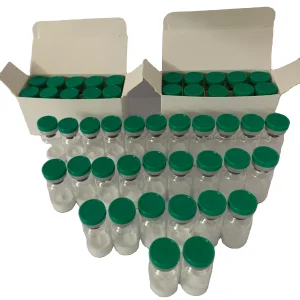
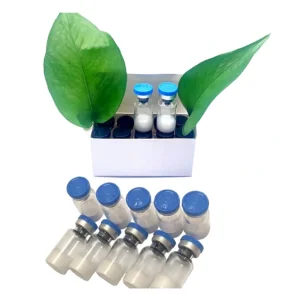
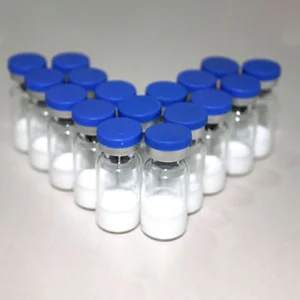
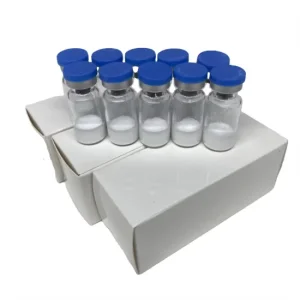
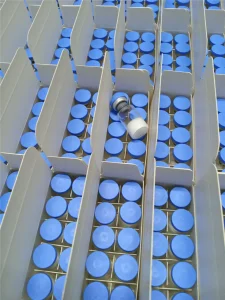

Ensure raw material chain of custody with certified packaging, batch validation documentation, and round-the-clock technical export consulting.
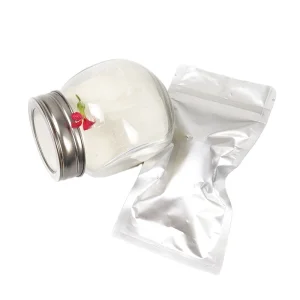
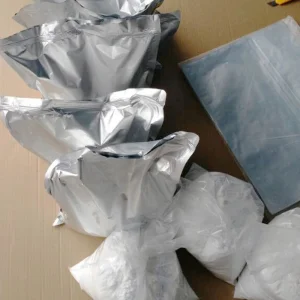
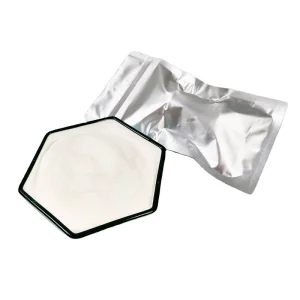
All powder units are enclosed in heat-sealed, light-impervious aluminum foil bags protected by dual food-grade polyethylene internal liners. Inert argon or nitrogen displacement purging prevents exposure to humidity, photolytic degradation, and airborne particulates during intercontinental transport.
Before releasing any batch from our warehouse, samples are tested via HPLC for purity retention and moisture checks via Karl Fischer titration. Retained reference samples from every released lot are stored under ICH climatic stability chambers for 5 years to support retrospective inquiries.
Our technical procurement specialists provide rapid responses to documentation, quotation, and custom packaging requests within 24 business hours. Direct factory communications streamline custom micronization requests, specific bulk sizing, and analytical method transfers.
Contact our technical engineering team to obtain current batch HPLC chromatograms, analytical data packages, and wholesale contract pricing for Testosterone Acetate (CAS 1043-47-1) and related steroidal intermediates.
Contact Technical Sales Division
