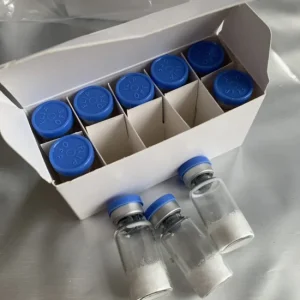
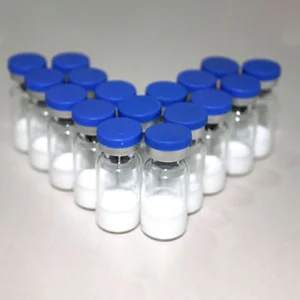
Engineered under strict synthetic protocols, validated with batch-specific HPLC and LC-MS certificates of analysis for institutional laboratories and licensed bio-industrial research entities across the Peruvian territory.
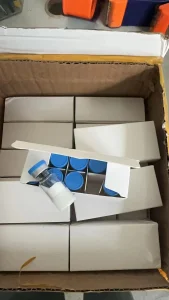
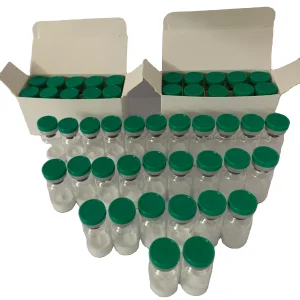
Navigating pharmaceutical import channels, institutional scientific demand, and regional supply chain dynamics across the Andean life science corridors.
The Republic of Peru represents one of Latin America’s fastest-evolving markets for chemical synthesis, biomedical inquiry, and performance pharmacology research. In major industrial metropolitan areas—most prominently Lima, Callao, Arequipa, and Trujillo—academic institutions, contract synthesis laboratories, and specialized analytical firms are expanding their procurement footprint for non-steroidal androgen receptor modulators. Historically reliant on indirect intermediaries and unverified distribution pipelines from North America and Europe, Peruvian procurement entities are transitioning toward direct factory partnerships capable of executing compliant B2B cross-border logistics.
From an industrial perspective, oral SARMs (Selective Androgen Receptor Modulators) such as Ostarine (MK-2866), Ligandrol (LGD-4033), Testolone (RAD-140), and Ibutamoren mesylate (MK-677) occupy a specialized niche. While designated primarily for in vitro assays, metabolic receptor binding mapping, and cellular tissue research, commercial interest in high-stability oral suspensions and solid dosage pre-mixes has accelerated dramatically. The Pacific commercial gateway at the Port of Callao and Jorge Chávez International Airport (LIM) forms the logistical fulcrum through which critical pharmaceutical precursors and synthesized raw materials enter the domestic ecosystem.
However, this market presents unique climatic and operational hurdles. High coastal humidity in Lima contrasted with the hypobaric, high-altitude conditions of the Andean interior necessitates strict physical-chemical stabilization protocols. Standard powders susceptible to hygroscopic clumping require advanced pharmaceutical-grade micro-pulverization, moisture-barrier packaging, and inert gas flushing—specifications that only tier-1 global manufacturers can reliably fulfill.
How technological integration, Pacific Alliance harmonization, and analytical transparency are redefining supply contracts for institutional buyers in South America.
Procurement teams across Peru are shifting from unstandardized raw powders to pharmaceutical-grade liquid oral carriers (PEG-400, DMSO, and food-grade ethanol matrices). This transition ensures accurate analytical dosing in animal assays, preventing sedimentation and crystallization while mitigating exposure to ambient coastal moisture.
Institutional buyers now routinely require double-blind analytical certification. The era of blind faith in paper COAs is obsolete. Reputable Peruvian laboratories demand High-Performance Liquid Chromatography (HPLC) coupled with Electrospray Ionization Mass Spectrometry (ESI-MS) to substantiate ≥99.0% isomeric purity.
Peru’s national customs superintendency (SUNAT) has intensified regulatory scrutiny using automated AI declaration screening. Suppliers must maintain precise Harmonized System (HS) code compliance for non-controlled heterocyclic biochemicals, preventing catastrophic shipment impoundment at the Callao fiscal perimeter.
Eliminating structural bottlenecks in chemical synthesis, heavy metal contamination, batch drift, and Latin American freight clearance.
For institutional procurement heads and pharmaceutical brand formulators in Peru, the primary danger lies in intermediary adulteration. Due to high synthesis synthesis complexity—particularly with molecules like RAD-140 (2-chloro-4-[[(1R,2S)-1-[5-(4-cyanophenyl)-1,3,4-oxadiazol-2-yl]-2-hydroxypropyl]amino]-3-methylbenzonitrile)—substandard brokers often dilute active compounds with inert fillers, synthetic precursors, or unreacted intermediate byproducts.
Hebei Miaoou Technology Co., Ltd. operates as a dedicated primary synthesis manufacturer, totally bypassing broker markups and blind repacking. By controlling organic synthesis from raw aryl-nitrile substrates through multi-stage crystallization and final solvent extraction, we ensure residual organic solvent traces (e.g., DCM, Hexane, DMF) fall substantially below stringent USP <467> and ICH Q3C guidelines.
Every commercial consignment dispatched to Peru is accompanied by an unbroken audit dossier:
Engineering operational friction out of international shipments to Jorge Chávez Airport and Port of Callao through rigorous documentary harmonization.
Importers in Peru face severe customs inspection protocols under the Superintendencia Nacional de Aduanas y de Administración Tributaria (SUNAT). Inaccurate classification of research peptides or novel androgens can trigger administrative detentions, exorbitant demurrage fees, or formal confiscation. Hebei Miaoou Technology mitigates this vulnerability by providing precise chemical manifest indexing under universally recognized CAS numbering and internationally harmonized tariff nomenclature for unformulated biochemical standards intended strictly for research purposes (RUO).
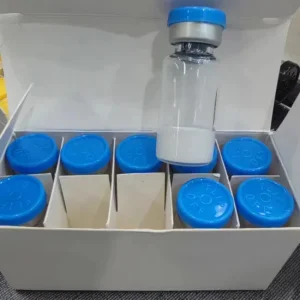
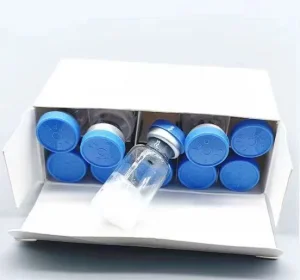
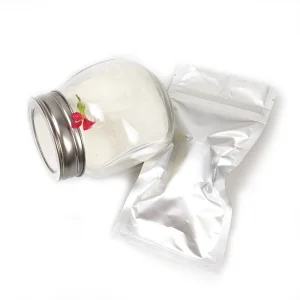
Air transport into Lima exposes biological and synthetic cargo to sea-level maritime salinity followed by thermal shifts if routed overland to Andean pharmaceutical hubs like Cusco, Huancayo, or Arequipa. Our Peruvian export packaging standard features multi-layer aluminum vacuum barrier envelopes, medical-grade desiccants, and tamper-evident induction-sealed HDPE vessels. This preserves crystalline stability, preventing premature oxidative degradation and ensuring the molecular weight of active moieties remains strictly intact.
How Hebei Miaoou Technology is pioneering advanced bioavailability, continuous flow micro-reactors, and transparent molecular verification for the next decade.
Transitioning batch-mode selective androgen synthesis to continuous-flow automated micro-channel reactors. This engineering breakthrough tightens reaction temperature tolerances within ±0.1°C, drastically reducing secondary side reactions and increasing stereochemical yield of pure enantiomers.
Developing pre-concentrated surfactant-lipid matrices tailored for lipophilic oral SARMs. These matrices spontaneously form microscopic oil-in-water emulsions upon aqueous exposure, multiplying active compound in vitro solubility and standardizing bio-availability metrics for academic laboratory trials.
Implementing secure QR-coded cryptographic data tracking on all packaging containers destined for the Peruvian commercial sector. Laboratory technicians can instantly verify spectral raw data files, synthesis dates, and calibration baselines directly against immutable laboratory information management systems (LIMS).
Comprehensive regulatory, logistical, and technical insights designed for laboratory directors, purchasing managers, and chemical importers.
In Peru, Selective Androgen Receptor Modulators (SARMs) are not approved by DIGEMID for human medicinal or over-the-counter consumption. They are classified as fine research chemical substances intended strictly for in vitro laboratory analysis, non-clinical pharmacological studies, and institutional chemical characterization. Importers must declare consignments under precise chemical research categories with proper SDS and analytical dossiers.
Our logistics export division maintains strict alignment with Peruvian customs requirements. We supply compliant commercial proformas, full chemical declarations (CAS number, precise IUPAC nomenclature, safety handling data), and prepare all documentation to conform with SUNAT tariff indexing, preventing customs clearance blockages or regulatory holds at Lima's Jorge Chávez International Airport (LIM).
Yes. Beyond supplying raw powders, Hebei Miaoou Technology provides OEM compounding, custom micronization down to specific D50/D90 particle dimensions, and pre-formulated liquid oral solutions. We support custom bottle filling, tamper-proof induction foil sealing, and batch packaging specified to our client's brand requirements.
Every dispatch is paired with an authentic batch Certificate of Analysis (COA) containing the exact lot number, physical appearance criteria, melting point determination, HPLC purity trace (showing retention times and area percentage integrations ≥99%), and Mass Spectrometry (MS) verification matching exact molecular mass calculations.
Standard express air couriers usually arrive within 4 to 7 business days from dispatch confirmation. For large-scale industrial bulk consignments routed via ocean freight to the Port of Callao, maritime transit generally requires 22 to 30 days depending on shipping route allocations and seasonal port congestions.
Lyophilized peptides and susceptible bioactive molecules are packed inside insulated multi-cavity EPS containers loaded with conditioned phase change materials (PCMs) or dry ice blocks. For regional transit from Lima to high-altitude Andean centers such as Arequipa or Cusco, barometric pressure-resistant sealed vessels prevent seal breaches and humidity intrusion.
Explore our secondary tier of batch-tested reference standards, peptide sequences, and fine-chemical APIs available for immediate B2B export to the Peruvian market.
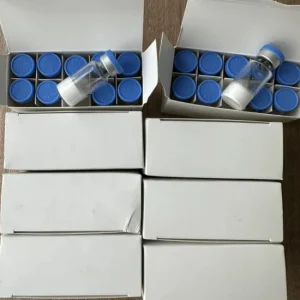
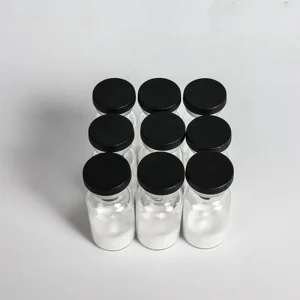
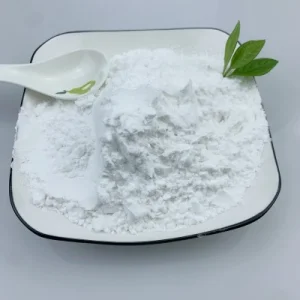
Connect directly with our dedicated Latin American export desk. Receive comprehensive batch Certificates of Analysis, commercial proformas, and customized freight quotations within 24 business hours.