Procurement-grade active compounds, small-molecule APIs, and reference lyophilized formulations synthesized under strict analytical traceability.
An exhaustive overview of supply chain economics, enzymatic synthesis scalability, and critical regulatory pathways defining global bulk distribution.
CAS 372-75-8, systematically designated as (2S)-2-amino-5-(carbamoylamino)pentanoic acid (L-Citrulline), represents a cornerstone non-proteinogenic amino acid intermediate. Modern manufacturing has transitioned from chemical derivation toward advanced microbial fermentation and enzymatic bioconversion utilizing engineered Corynebacterium glutamicum strains.
The macroeconomic demand for CAS 372-75-8 expands at a compound annual growth rate (CAGR) exceeding 6.8%. As an essential precursor for endogenous nitric oxide (NO) upregulation via the L-arginine-NO pathway, industrial procurement is split across performance nutrition, clinical pharmaceuticals, and cosmetic preservation.
From metabolic therapeutics to cosmetic tissue rejuvenation, the biochemical properties of CAS 372-75-8 make it an irreplaceable building block across diversified formulation pipelines.
Why leading multinational formulators rely on Chinese biochemical clusters for cost control, environmental compliance, and delivery security.
Chinese fine-chemical manufacturing clusters in Hebei, Shandong, and Jiangsu leverage vertically integrated upstream supply chains. Key precursor compounds—including L-ornithine, ammonium carbamate, and clean carbon sources for bioprocesses—are produced in proximity to synthesis hubs.
This geographic density mitigates transportation volatility, ensures steady material flow, and cushions against international commodity pricing shocks.
State-of-the-art facilities employ continuous automated bioreactors and computerized mother-liquor crystallization technologies. Multi-ton production batches yield consistent crystal habit, particle size distribution, and bulk density.
Automation lowers labor exposure, optimizes utility consumption, and maintains batch-to-batch coefficient of variation (CV) well below international acceptable tolerances.
Modern factories operate cleanrooms rated up to ISO Class 7/8 with automated environmental controls. Every shipment is backed by high-resolution analytical documentation designed for customs clearance and qualification audits.
Third-party testing protocols (SGS, Intertek) are routinely supported alongside full compliance for export declarations, REACH pre-registration, and international chemical manifests.
Comprehensive standard testing parameters adhered to by certified Chinese production facilities for export-grade L-Citrulline.
| Test Parameter | Technical Specification Requirement | Analytical Methodology |
|---|---|---|
| Chemical Name | (2S)-2-amino-5-(carbamoylamino)pentanoic acid / L-Citrulline | IUPAC Nomenclature |
| CAS Registry Number | 372-75-8 | Chemical Abstracts Service |
| Molecular Formula & Weight | C6H13N3O3 | 175.19 g/mol | Structural Calculation |
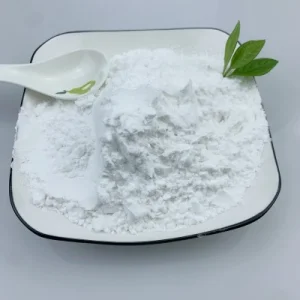
| Physical Appearance | White crystalline powder; odorless; slightly sweet taste | Visual & Organoleptic Evaluation |
| Assay Purity (Dry Basis) | 98.5% – 101.0% (Typically >99.0%) | HPLC / Titrimetric Analysis |
| Specific Optical Rotation [α]D20 | +24.0° to +26.0° (c=2 in 6M HCl) | Polarimetry |
| Loss on Drying | ≤ 0.30% | Gravimetric (105°C, 3 hours) |
| Residue on Ignition | ≤ 0.10% | Sulfated Ash (800°C) |
| Heavy Metals (as Pb) | ≤ 10 ppm | Inductively Coupled Plasma (ICP-MS) |
| Lead (Pb) / Arsenic (As) | ≤ 1.0 ppm / ≤ 1.0 ppm | Atomic Absorption Spectrophotometry |
| Chloride (Cl) / Sulfate (SO4) | ≤ 0.02% / ≤ 0.02% | Standard Turbidimetric Comparison |
A structured 5-stage procurement pathway ensuring batch-to-batch chemical equivalence and audit readiness.
Microbial strains and precursor amino groups undergo chromatographic screening to rule out heavy metal contamination and stereoisomeric degradation.
Automated bioconversion parameters (pH, dissolved oxygen, temperature) are dynamically controlled to maximize L-enantiomer yields.
Mother-liquor separation followed by vacuum purification and micro-filtration eliminates endotoxins and pyrogenic matter.
HPLC, MS, and NMR analyses cross-reference the batch profile against USP/EP reference standards prior to lot certificate signing.
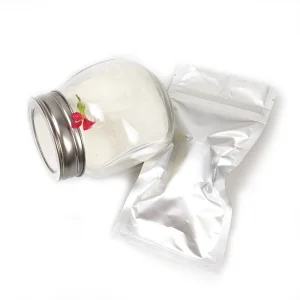
Hermetic double-layer polyethylene liners placed inside fiber drums with desiccants to ensure hygroscopic stability across ocean freight lanes.
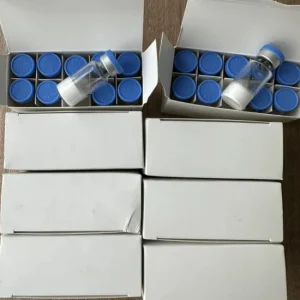
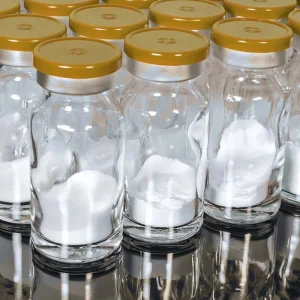
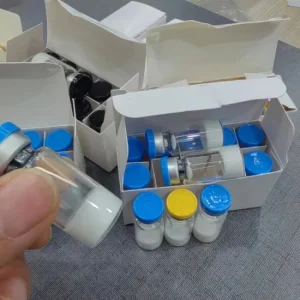
Advanced cosmetic compounds, reference herbal derivatives, and biological research sequences ready for institutional dispatch.
Direct technical answers addressing documentation, regulatory compliance, quality verification, and shipping security for global enterprise clients.
Analytical grade differentiation centers on stereochemical purity and residue control. Premium material delivers an optical rotation between +24.0° and +26.0°, an HPLC assay above 99.0%, and non-detectable residual bacterial DNA/endotoxins from the fermentation process. Lower tier products often exhibit higher moisture, clumping tendencies, and traces of unreacted heavy metals.
Yes. Every commercial batch is serialized and matched to its specific Certificate of Analysis (COA). High-performance liquid chromatography (HPLC) traces, mass spectrometry (MS) reports, and Proton Nuclear Magnetic Resonance (1H-NMR) verification spectra are furnished upon request to simplify compliance for qualified laboratory and manufacturing teams.
Because CAS 372-75-8 exhibits mild hygroscopicity, standard bulk shipments are packed inside hermetically sealed double-polyethylene barrier bags with food-grade molecular sieve desiccants. The secondary packaging utilizes reinforced 25kg net weight fiber drums sealed with anti-tamper locking rims, preserving stability under elevated marine humidity.
Yes. Production lines support custom jet-milling and sieving protocols to deliver exact mesh specifications—ranging from standard 40–80 mesh crystalline granules up to 100–200 mesh ultra-fine micronized powders. Mesh size uniformity ensures uniform dissolution velocity in downstream wet blending and direct-compression tableting.
Every commercial consignment includes complete export documentation: signed Commercial Invoices, Packing Lists, Certificates of Analysis, Non-Dangerous Goods declarations, MSDS compliant with GHS Revision 9, and Certificate of Origin (COO). For European destinations, full alignment with REACH guidelines and applicable import clearances is provided.
Bulk CAS 372-75-8 preserves chemical integrity for a minimum of 24 to 36 months when stored unopened in a clean, cool, and dry environment between 15°C and 25°C, away from direct thermal radiation and incompatible strong oxidizers. Once opened, containers should be re-sealed promptly under dry atmospheric conditions.