1 / 1
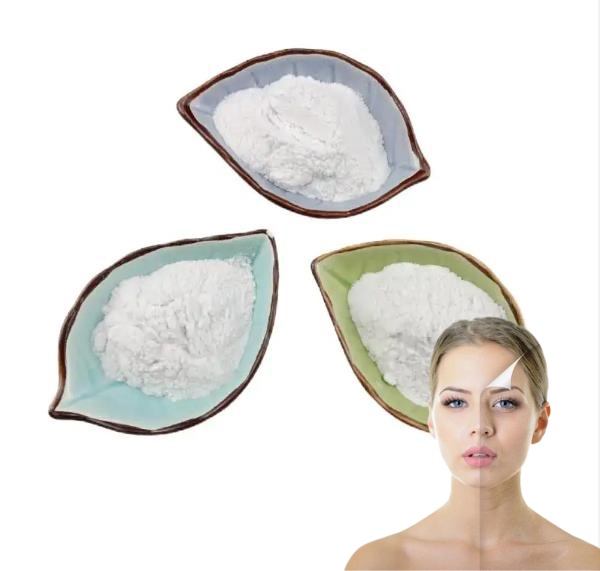
Anti-aging peptides are a class of molecules that have gained significant attention in the skincare and cosmetic industry due to their potential to reduce the signs of aging. These peptides are short chains of amino acids that can penetrate the skin and stimulate various cellular processes, leading to improved skin texture, reduced wrinkles, and enhanced firmness. In this article, we will provide a detailed description of anti-aging peptides, including their properties and potential benefits.
| Property | Description |
|---|---|
| Amino Acid Sequence | Anti-aging peptides are composed of specific sequences of amino acids, such as Argireline (Acetyl Hexapeptide-8) and Matrixyl (Palmitoyl Pentapeptide-4). These sequences determine their biological activity. |
| Penetration Ability | Anti-aging peptides have the ability to penetrate the skin barrier, allowing them to reach the deeper layers of the skin where they can exert their effects. |
| Collagen Stimulation | Many anti-aging peptides have been shown to stimulate the production of collagen, a key protein that provides structural support to the skin. This can lead to improved skin firmness and elasticity. |
| Antioxidant Properties | Some anti-aging peptides exhibit antioxidant properties, helping to protect the skin from damage caused by free radicals and environmental stressors. |
| Moisture Retention | Certain peptides have the ability to enhance the skin’s ability to retain moisture, leading to improved hydration and a more youthful appearance. |
| Wrinkle Reduction | Anti-aging peptides can target specific pathways involved in wrinkle formation, leading to a reduction in the appearance of fine lines and wrinkles. |
Anti-aging peptides work by interacting with various receptors and signaling pathways in the skin, ultimately leading to improved skin health and appearance. For example, Argireline, a popular anti-aging peptide, is known for its ability to inhibit the formation of expression lines by interfering with the neurotransmitters that control muscle contractions. This can result in a smoother, more relaxed appearance of the skin.
Matrixyl, another well-known peptide, stimulates the synthesis of collagen and other key components of the extracellular matrix, leading to improved skin firmness and elasticity. Additionally, certain peptides have been shown to modulate inflammatory pathways, leading to a reduction in redness and irritation, which are common signs of aging.
Incorporating products containing anti-aging peptides into a skincare routine can provide long-term benefits, as these peptides work at a cellular level to promote skin health and resilience. When used consistently, they can help to minimize the visible signs of aging and maintain a more youthful complexion.
Anti-aging peptides represent a promising approach to addressing the signs of aging and promoting overall skin health. Their unique properties, including collagen stimulation, antioxidant effects, and wrinkle reduction, make them valuable ingredients in skincare formulations. By understanding the properties and mechanisms of action of anti-aging peptides, consumers can make informed choices when selecting products to incorporate into their skincare regimen.