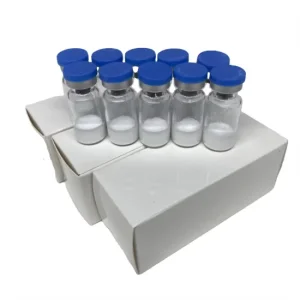
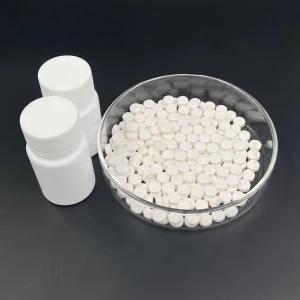
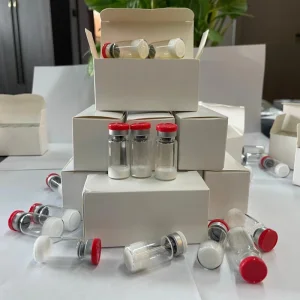
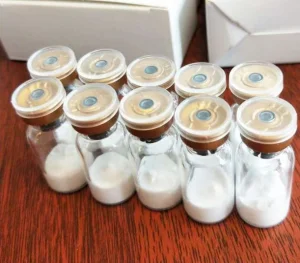
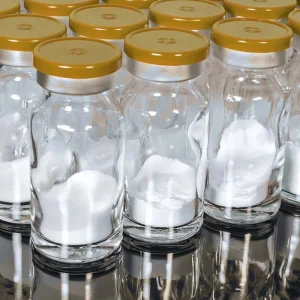
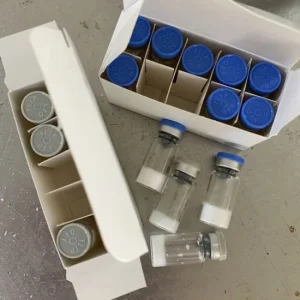
Direct batch allocations from our certified production infrastructure, complete with HPLC/MS traceability and custom analytical profiling.
A comprehensive examination of CAS 55268-74-1 (Praziquantel) across human therapeutics, veterinary anti-parasitic control, and fine-chemical synthesis networks.
Recognized globally on essential medicine indexes, CAS 55268-74-1 serves as the frontline pyrazinoisoquinoline compound targeting Schistosoma, Clonorchis sinensis, and diverse cestode parasites. Annual international procurement exceeds 450 metric tons, driven by coordinated mass drug administration (MDA) programs across emerging markets.
Shifting from pure commodity trading toward strict impurity profiling (EP/USP standards), enterprise buyers demand lower residual solvent boundaries and tighter enantiomeric enantiopure separation. Global pharmaceutical integrators increasingly consolidate bulk vendor agreements to balance cost stability against supply chain interruptions.
Beyond human parasitology, CAS 55268-74-1 has observed double-digit compound annual growth rates within companion animal care and aquaculture. Mixed active formulations (combining CAS 55268-74-1 with Pyrantel or Febantel) have elevated global factory demand for customized crystalline morphology and micronized powders.
How state-of-the-art domestic continuous-flow chemistry and complete raw chemical integration empower reliable, cost-effective CAS 55268-74-1 bulk manufacturing.
Chinese fine-chemical manufacturing controls the complete reaction sequence for CAS 55268-74-1, from phenylethylamine and chloroacetyl chloride to cyclohexanecarbonyl chloride. By securing the direct domestic upstream supply of key organic precursors, our facilities eliminate trans-oceanic raw-material delays, providing unbroken production continuity for global contract tenders.
Upgraded synthetic facilities utilize microchannel reactors and advanced catalytic cyclization techniques. This precision automation drastically lowers thermal run-away risks, reduces side-reaction byproducts (such as deschloro or related dimer intermediates), and drives an overall 30% reduction in solvent expenditure compared to legacy batch synthesizers.
Operating under cGMP and ISO guidelines, Chinese cleanroom handling facilities feature validated air handlers, clean-in-place (CIP) pipelines, and state-of-the-art analytical testing. Each batch is qualified using HPLC, GC-MS, FTIR, and optical polarimetry to ensure seamless import clearance across European and North American regulatory authorities.
Comprehensive standard benchmarks formulated for formulation chemists, QC managers, and enterprise procurement auditors.
| Analytical Parameter | Reference Specification (EP / USP Grade) | Typical Batch Assay Result | Analytical Method |
|---|---|---|---|
| Chemical Name | 2-(Cyclohexylcarbonyl)-1,2,3,6,7,11b-hexahydro-4H-pyrazino[2,1-a]isoquinolin-4-one | Conforms to Structure | 1H-NMR / FTIR |
| CAS Number | 55268-74-1 | Certified Match | Chemical Identification |
| Assay Purity (Dry Basis) | 98.5% – 101.0% | 99.6% | HPLC (UV Detection @ 210nm) |
| Melting Point | 136°C – 142°C | 138.5°C – 140.2°C | Capillary Melting Apparatus |
| Loss on Drying | ≤ 0.5% | 0.18% | Thermogravimetric / 105°C Drying |
| Residue on Ignition | ≤ 0.1% | 0.04% | Sulfated Ash (USP <281>) |
| Heavy Metals | ≤ 20 ppm | < 10 ppm | ICP-OES / ICP-MS |
| Residual Solvents | Methanol < 3000 ppm, Toluene < 890 ppm | Meets ICH Q3C Guidelines | Headspace GC-FID |
Analyzing high-potency use cases across sectors and pinpointing structural industry trends reshaping synthesis through 2030.
CAS 55268-74-1 remains the undisputed clinical benchmark for combating schistosomiasis, neurocysticercosis, and liver fluke infestations. The compound stimulates rapid calcium ion influx across parasite teguments, inducing immediate tetanic paralysis followed by host immune degradation of the exposed pathogen.
Widely integrated into oral paste, tablet, and chewable suspensions for canines, felines, and equine livestock. Micronized grades of CAS 55268-74-1 guarantee consistent bioavailability and blend homogeneity across multi-active worming agents targeted at Dipylidium caninum and Taenia species.
Intensive fish farming relies on CAS 55268-74-1 bath and in-feed applications to mitigate monogenean gill and skin fluke infestations. Low-toxicity, non-persistent environmental degradation makes it the compound of choice for preserving biomass integrity in recirculating aquaculture setups.
Current industrial trade predominantly distributes the racemic mixture (rac-Praziquantel). However, pharmacodynamic research confirms that the anthelmintic biological activity is almost exclusively localized in the (R)-enantiomer (Levo-Praziquantel), while the (S)-enantiomer imparts a bitter taste and elevates hepatic burden. Modern factory R&D across top-tier Chinese manufacturers centers on biocatalytic enzymatic resolution and stereoselective asymmetric synthesis. Transitioning to enantiopure CAS 55268-74-1 allows formulation dosage reductions of up to 50%, opening a lucrative frontier for pediatric pediatric formulation design and next-generation animal health manufacturing.
Evaluating vendor reliability through audit-ready documentation, environmental regulatory resilience, and packaging integrity.
Enterprise procurement teams cannot compromise on paperwork. Reliable suppliers must deliver full Drug Master Files (DMF), Certificates of Suitability (CEP), residual solvent declarations, and nitrosamine risk assessments to satisfy stringent health authority import screening.
Depending on your downstream formulation process—such as high-speed tablet compression or liquid suspensions—raw bulk density and particle size distribution (D10/D50/D90) are critical. Direct factory manufacturers offer specialized jet milling and crystallization tuning to prevent tooling wear and segregation.
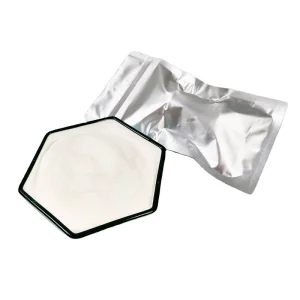
Proper multi-ply packaging using double pharmaceutical polyethylene liners enclosed inside fiber drums or hermetic aluminum foil envelopes protects the powder from atmospheric moisture absorption. Integrated customs clearance expertise ensures rapid clearance through major shipping routes.
Immediate answers to common queries regarding regulatory status, lead times, batch certification, and custom shipping terms.
Standard pharmaceutical and veterinary bulk material conforms to EP and USP specifications, delivering a dry-basis chromatographic assay between 98.5% and 101.0%. Every production lot includes full HPLC chromatograms and batch-specific impurity reports.
Yes. In addition to standard crystalline powder, we supply custom air-jet micronized grades with strictly controlled particle size distributions (e.g., D90 < 20μm or D50 < 5μm) optimized for veterinary suspension compounding and high-speed tablet pressing.
All shipments are accompanied by a lot-matched Certificate of Analysis (COA), Safety Data Sheet (SDS), commercial invoices, packing lists, and export declarations. Regulatory dossiers, including DMF access and open parts, are provided for qualified enterprise partners upon request.
We accommodate both exploratory lab-scale procurement (pilot packs of 1 kg to 5 kg) and commercial scale allocations (25 kg fiber drums up to metric ton containers), providing transparent volume pricing and consistent chemical stability across all tiers.
Explore our specialized portfolio of small molecule APIs, peptide research sequences, and pharmaceutical raw materials available for contract delivery.