Procure fully validated active pharmaceutical ingredients, research compounds, and lyophilized analogs with verified batch chromatograms and global temperature-controlled logistics.
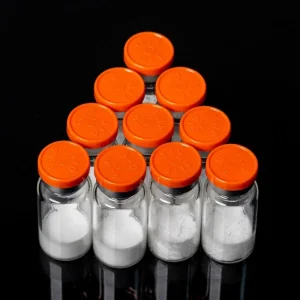
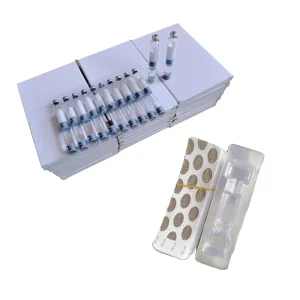
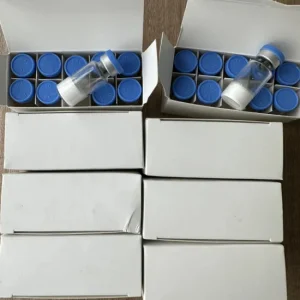
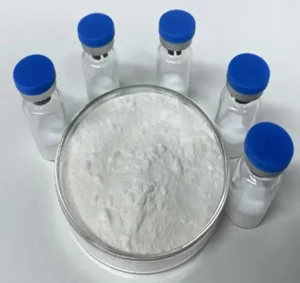
Detailed chemical identity, crystallographic specifications, and pharmacological classification for procurement officers, lead formulators, and compliance auditors.
CAS 58-20-8 chemically designates Testosterone 17β-cyclopentylpropionate (molecular formula: C27H40O3; molecular weight: 412.61 g/mol). As an oil-soluble, hydrophobic esterified androgen, the addition of the eight-carbon cyclopentylpropionate chain at the C-17 beta hydroxyl position drastically reduces polarity, elevating the octanol-water partition coefficient (logP ≈ 6.4) and resulting in sustained intramuscular depot absorption.
In regulated pharmaceutical manufacturing, CAS 58-20-8 functions as an Active Pharmaceutical Ingredient (API) strictly synthesized to adhere to current United States Pharmacopeia (USP) and European Pharmacopoeia (Ph. Eur.) monographs. High-throughput synthesis facilities require rigorous tracking of polymorphic forms, crystal habit, and polymorphic purity to prevent agglomeration during carrier-oil solubilization.
The extended half-life (approximately 7 to 8 days in biological systems) makes CAS 58-20-8 the premier candidate for clinical androgen replacement therapy (ART), primary and secondary hypogonadism therapies, and designated veterinary hormone therapies. Global CDMOs and sterile compounding facilities rely heavily on steady, impurity-controlled bulk powder to formulate high-stability injectables dissolved in refined vehicle oils such as benzyl benzoate, benzyl alcohol, and pharmaceutical cottonseed or grape seed carriers.
Securing a reliable, compliant bulk supplier requires deep scrutiny of intermediate residual catalysts, synthesis byproduct profiles (specifically 17α-epimers and free testosterone content), heavy metal traces, and bioburden controls before issuing purchase agreements.
| Analytical Parameter | USP / Ph. Eur. Pharmacopeial Target | Factory Primary Lot Standard | Validation Methodology |
|---|---|---|---|
| Chemical Nomenclature | 17β-(3-Cyclopentylpropanoyloxy)androst-4-en-3-one | CAS Registry Number: 58-20-8 | IUPAC / Chemical Abstracts |
| Assay Purity (Dried Base) | 97.0% – 103.0% | ≥99.2% HPLC | Reversed-Phase HPLC-UV (241 nm) |
| Melting Point Range | 101°C – 105°C | 102.5°C – 104.0°C | Automated Capillary Melting System |
| Specific Optical Rotation [α]D | +87° to +92° (in dioxane) | +89.5° | Polarimetry (Sodium D-line, 20°C) |
| Individual Related Substances | ≤ 0.5% individual impurity | < 0.15% max single impurity | High Resolution HPLC Gradient |
| Total Impurities / Byproducts | ≤ 1.0% total impurities | < 0.40% cumulative impurities | Mass Balance UV Detection |
| Free Testosterone Content | ≤ 0.5% unreacted precursor | < 0.10% free steroid | Chromatographic Fingerprinting |
| Residual Solvents (ICH Q3C) | Class 2 & Class 3 within ICH Limits | Methanol <50ppm, Ethanol <200ppm | Static Headspace GC-FID / MS |
| Loss on Drying (LOD) | ≤ 0.5% w/w | 0.12% – 0.20% | Thermogravimetric Vacuum Oven (105°C) |
Analyzing cross-continental demand vectors, procurement bottlenecks, and risk mitigation methodologies across commercial pharmaceutical and research institutions.
In North America and Western Europe, accelerating adoption of longevity medicine, hormone balance protocols, and clinical management of hypogonadism has surged demand for pure CAS 58-20-8 by over 14.8% compound annual growth rate (CAGR). Compounding pharmacies and contract research organizations (CROs) face stringent FDA Title 21 CFR Part 211 controls and European GMP standards, penalizing inconsistent batch deliveries or undocumented supply lines.
Procurement executives increasingly eliminate multi-tiered brokering in favor of direct primary manufacturer alliances that furnish complete CMC (Chemistry, Manufacturing, and Controls) dossiers and transparent audit trails.
Large-scale parenteral CDMOs operate high-speed automated filling lines where minor deviations in API particle size distribution (PSD) cause filter clogging, extended dissolution durations, or recrystallization in sterile vehicle vials.
Industrial procurement teams now demand custom particle engineering specifications, such as air-jet micronization (D90 < 20μm or customized mesh sizing) and stringent moisture barriers. Furthermore, vendors must ensure minimum 24-month stability data and compatibility studies with standard pharmaceutical grade vehicles.
Geopolitical trade shifts, changes in national export-import tariffs, and raw precursor limitations (notably phytosterol and 4-androstenedione source availability) have rendered single-source supply structures dangerously fragile.
Tier-1 purchasers deploy dual-sourcing architectures, establishing secondary procurement pipelines with verified high-capacity Chinese synthesis facilities equipped with comprehensive ISO 9001:2015 and ISO 14001 certifications. This ensures zero operational disruption during regional supply bottlenecks or inventory spikes.
Before committing capital to wholesale CAS 58-20-8 inventory, enterprise procurement departments must verify four mandatory criteria: (1) Fully Traceable Raw Data: Independent High-Performance Liquid Chromatography (HPLC) chromatograms and Gas Chromatography-Mass Spectrometry (GC-MS) spectra matching exact lot serials; (2) Heavy Metal Compliance: ICP-MS data validating lead, arsenic, mercury, and cadmium well below ICH Q3D limits (<0.5 ppm); (3) Synthesis Residual Clearance: Elimination of toxic acylating agents, pyridine, or chlorinated solvents; and (4) Regulatory Air-Tight Documentation: Verified Certificates of Analysis, Material Safety Data Sheets (MSDS), and complete Country of Origin export certification.
Addressing chemical instability, ester hydrolysis, counterfeit contamination, and customs clearance delays through advanced manufacturing engineering.
Testosterone cypionate exhibits ester bond vulnerability when exposed to moisture traces or elevated storage temperatures during international container transport. Hydrolysis leads to free testosterone precipitation, carboxylic acid generation, and failed solution clarity assays.
Industrial Engineering Solution: Implementation of closed-circuit nitrogen purging during terminal micronization and primary packaging into pharmaceutical-grade multi-layer aluminum foil heat-sealed moisture barriers with embedded silica desiccants and irreversible temperature-humidity indicator tags.
Gray market traders frequently blend related androgen esters (e.g., testosterone propionate or enanthate) to manipulate assay thresholds or introduce industrial-grade fillers that bypass rudimentary spectroscopic spot checks.
Analytical Integrity Solution: Orthogonal release testing coupling reverse-phase HPLC with high-resolution electrospray ionization mass spectrometry (ESI-HRMS) and 13C/1H NMR fingerprinting. This molecular level mapping unambiguously verifies exact ester chain substitution at C-17.
Hormonal raw materials are subject to rigorous national border control inspections and regulatory classifications. Incorrect Harmonized System (HS) declarations or ambiguous commercial invoices result in bonded warehouse seizures or costly re-export penalties.
Logistical Compliance Solution: Global localized compliance routing with verified HS code 2937.22 classification, formal proforma invoicing, pre-cleared regulatory declarations, and specialized door-to-door DDP (Delivered Duty Paid) freight channels backed by 24-hour customs tracking.
Residual crystallization seeds or sub-visible mineral dust in bulk API powder can survive sterile filtration (0.22 μm PVDF/PTFE membrane), triggering end-product parenteral recalls due to particulate matter injection risks (USP <788> violations).
Class-100 Cleanroom Synthesis: Terminal crystallization in Class 100 (ISO Class 5) controlled clean environments utilizing ultrasonic multi-stage recrystallization followed by vacuum filtering through sub-micron sintered metal membranes before packaging.
From botanical phytosterol microbial bioconversion to continuous flow esterification: How cutting-edge green manufacturing reshapes CAS 58-20-8 production.
Transitioning away from animal-derived precursors, modern chemical architecture leverages natural soy or pine sterols (stigmasterol and β-sitosterol). Utilizing genetically optimized Mycobacterium strains, the side chain is selectively degraded via microbial fermentation to yield key steroid building blocks: 4-androstene-3,17-dione (4-AD) or 9α-hydroxy-4-androstene-3,17-dione with >94% conversion efficiency.
The 17-keto group of 4-AD is regio- and stereoselectively reduced to testosterone base without affecting the 3-keto or the Δ4 double bond. This step utilizes high-selectivity biocatalytic enzymes or sodium borohydride catalytic systems, achieving 17β-stereochemical purity exceeding 99.8%, thereby eliminating the inactive 17α-epimer.
The clean testosterone intermediate undergoes esterification with cyclopentylpropionic acid (or its acid chloride / anhydride) under mild, green solvent conditions. Advanced processes replace toxic pyridine catalysts with polymer-bound DMAP or recyclable solid acid catalysts, drastically lowering VOC (Volatile Organic Compound) generation and eliminating hazardous heavy metal residues.
The crude ester is refined via automated continuous crystallization units, ensuring tightly controlled supersaturation curves that dictate crystal habit and eliminate solvent inclusion. Emerging next-generation pilot facilities utilize supercritical fluid carbon dioxide (scCO₂) extraction, yielding ultra-pure, zero-solvent white crystalline cake with exceptional dissolution kinetics.
The industry is transitioning rapidly toward automated microfluidic synthesis reactors that produce CAS 58-20-8 on-demand with near-instantaneous heat transfer, reducing production cycles from 72 hours down to 40 minutes per reaction block.
AI-driven reaction condition optimizers monitor spectroscopic sensor feeds in real-time, dynamically tuning reagent addition rates, pH, and cooling gradients. This eradicates batch failure risks and ensures lot-to-lot coefficient of variation (CV) remains under 0.2%.
Simultaneously, environmental stewardship initiatives (such as REACH in the EU and equivalent environmental mandates in Asia) enforce continuous carbon-footprint reduction, driving manufacturers to adopt 100% bio-derived organic solvents and closed-loop water recovery circuits.
A multi-tiered regulatory validation framework designed to survive deep scrutiny by the FDA, EMA, MHRA, and international health authorities.
Our synthesis operations maintain comprehensive Active Substance Master Files (ASMF) and Type II Drug Master Files (DMF) ready for regulatory cross-referencing. Formulators filing Abbreviated New Drug Applications (ANDAs) or investigational dossiers receive instant Letters of Access (LoA), significantly shortening clinical-to-commercial review timelines.
Each primary commercial batch of CAS 58-20-8 undergoes rigorous stability testing in photostability and environmental stability chambers following ICH Q1A(R2) guidelines: Long-term (25°C ± 2°C / 60% RH ± 5% RH for 36 months) and Accelerated (40°C ± 2°C / 75% RH ± 5% RH for 6 months), proving chemical resilience and zero ester degradation.
Analytical releases are conducted by independent, accredited testing facilities equipped with high-end instrumentation: Agilent 1290 Infinity II UPLC, Thermo Fisher Q Exactive Orbitrap MS, Bruker 400MHz NMR, and PerkinElmer NexION ICP-MS spectrometers. Every commercial delivery is paired with signed, lot-specific Certificates of Analysis.
To combat illicit trade and diverted supply chains, every bulk container (fiber drums, aluminum canisters, or vacuum seal bags) carries a unique 2D GS1 DataMatrix code and tamper-evident holographic seal. Buyers can instantly verify lot authenticity, manufacturing timestamp, and QC sign-off through our secure digital portal.
Engineered cold-chain and dry freight operations tailored for high-value active pharmaceutical shipments across all major global trade hubs.
With strategically located dispatch depots in Shijiazhuang, Hong Kong, and bonded regional transit zones, we fulfill standard catalog and custom bulk orders rapidly. Regional account teams provide real-time clearance documentation, reducing standard transit windows to 3–7 business days to Europe, North America, Southeast Asia, and Latin America.
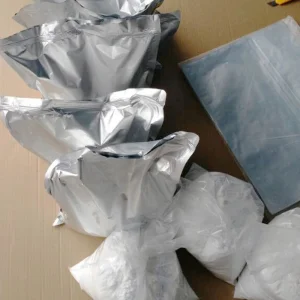
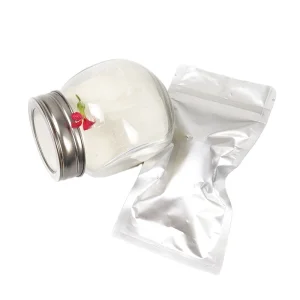
Whether fulfilling pilot-scale R&D requests (100g to 1kg pharmaceutical foil pouches) or industrial bulk manufacturing requirements (10kg, 25kg, and 50kg UN-certified fiber drums with double food-grade anti-static polyethylene liners), our packaging lines meet strict international transport regulations (IATA / IMDG compliant).
Our dedicated customs liaison team tracks regulatory classification updates across all recipient jurisdictions. We supply complete proforma invoices, declared chemical classification notes, Non-Controlled Substance statements (where applicable for specific precursors), and provide insured reshipment or refund guarantees on enterprise commercial orders.
Comprehensive answers addressing analytical specifications, minimum order quantities, handling, and supply agreements for CAS 58-20-8.
Our bulk CAS 58-20-8 (Testosterone Cypionate) is synthesized to a standard purity of ≥99.0% w/w on a dried basis, routinely testing between 99.2% and 99.6% by reversed-phase high-performance liquid chromatography (HPLC-UV at 241 nm). Each batch is validated through optical rotation ([α]D = +87° to +92° in dioxane), capillary melting point verification (101°C – 105°C), high-resolution mass spectrometry (HRMS) for molecular identity, and gas chromatography (GC-FID) for residual solvent clearance conforming to ICH Q3C Class 2 and Class 3 thresholds.
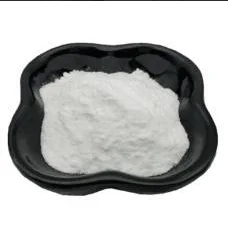
While both are esterified testosterone variants intended for sustained-release oil depot formulations, CAS 58-20-8 incorporates an eight-carbon cyclopentylpropionate ester, whereas CAS 315-37-7 (Testosterone Enanthate) incorporates a seven-carbon straight aliphatic enanthate chain. This subtle structural difference yields a slightly higher melting point for cypionate (101–105°C vs. 34–39°C for enanthate), making CAS 58-20-8 a true free-flowing crystalline powder at room temperature, which is significantly easier to weigh, store, and process without clumping or premature melting in warm processing environments.
CAS 58-20-8 must be maintained in airtight, light-resistant containers protected from excessive humidity and heat. Recommended long-term storage is between 15°C and 25°C (controlled room temperature) or 2°C to 8°C for prolonged stability beyond 24 months. Exposure to moist air accelerates cleavage of the ester bond, resulting in carboxylic acid degradation products and free testosterone impurities. Our packaging utilizes hermetically sealed aluminum multi-barrier bags under an inert argon/nitrogen headspace to guarantee zero ambient exposure during warehousing.
For academic research institutions, analytical laboratories, and formulation testing, our minimum order quantity starts at 100 grams. For commercial compounding pharmacies, pharmaceutical manufacturers, and global wholesale distributors, standard packaging configurations include 1 kg, 5 kg, 10 kg, and 25 kg fiber drums. Custom multi-ton recurring supply contracts with batch-locking and dedicated lot reserves are accommodated under formal commercial procurement agreements.
Yes. Enterprise procurement teams can request comprehensive documentation packages before executing payment. This documentation includes representative lot Certificates of Analysis (COA) detailing assay, impurity profiles, melting range, loss on drying, and microbiological assays, accompanied by raw HPLC chromatograms, 1H-NMR spectra, and current 16-section Globally Harmonized System (GHS) compliant Material Safety Data Sheets (MSDS).
In parenteral vehicle formulation, CAS 58-20-8 displays high lipophilic solubility. Standard commercial injectable solutions (typically 100 mg/mL to 250 mg/mL) utilize refined carrier oils including Cottonseed Oil, Sesame Oil, or Medium-Chain Triglycerides (MCT). To maintain depot stability and prevent crystal seeding at lower temperatures, formulators typically incorporate 1% to 2% Benzyl Alcohol as a bacteriostatic antimicrobial agent and 10% to 20% Benzyl Benzoate as a solubilizing co-solvent.
We provide full logistics management adhering strictly to international customs frameworks. Shipments are processed under HS Code 2937.22 (Steroid Hormones, their derivatives and structural analogues). For enterprise buyers in regions requiring import licenses, we coordinate directly with authorized local customs brokers. Additionally, discreet, secure, and fully tracked DDP express courier lines are deployed to prevent transit stalls, customs holds, or regulatory compliance bottlenecks.
We accept secure global wire transfers (T/T), international Letters of Credit (L/C) for container-level bulk orders, and established escrow services. Qualified corporate accounts with recurring order volume can apply for flexible credit terms (Net-30 / Net-60) post credit review. Furthermore, prospective enterprise clients are welcome to initiate remote virtual plant audits or commission independent third-party laboratory re-testing (SGS, Eurofins, or Intertek) prior to release.
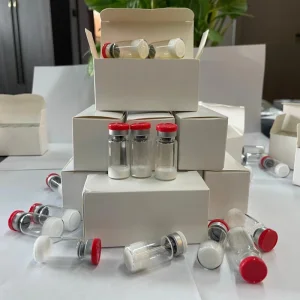
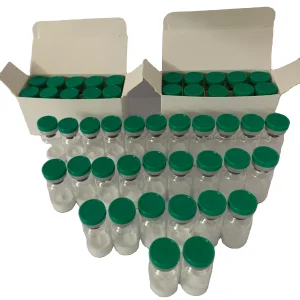
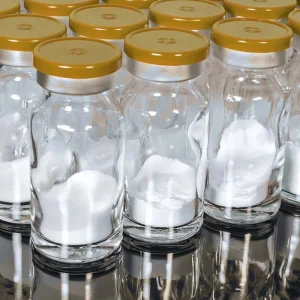
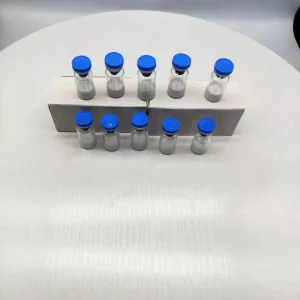
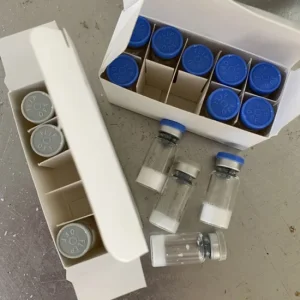
Explore our synthesis capabilities across high-affinity growth hormone secretagogues, cellular repair peptides, and ultra-purified botanical fractions.
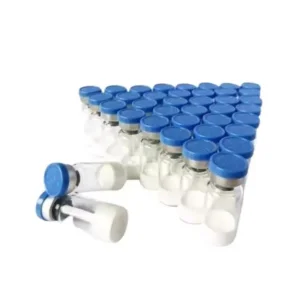
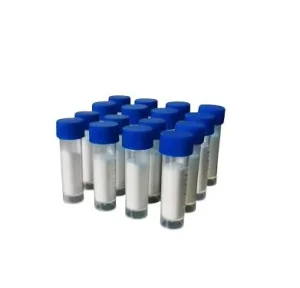
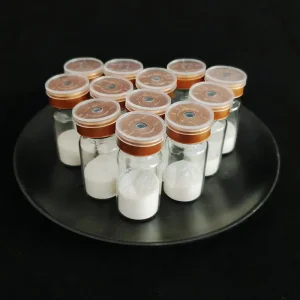
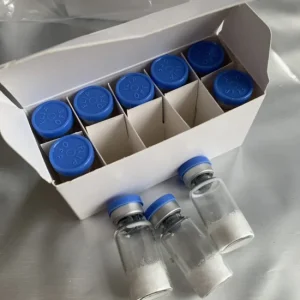
Secure factory-direct wholesale pricing, request sample material for laboratory verification, or consult with our chemical synthesis engineers regarding custom particle micronization and commercial DMF support. Our technical export directors reply within 24 business hours.

