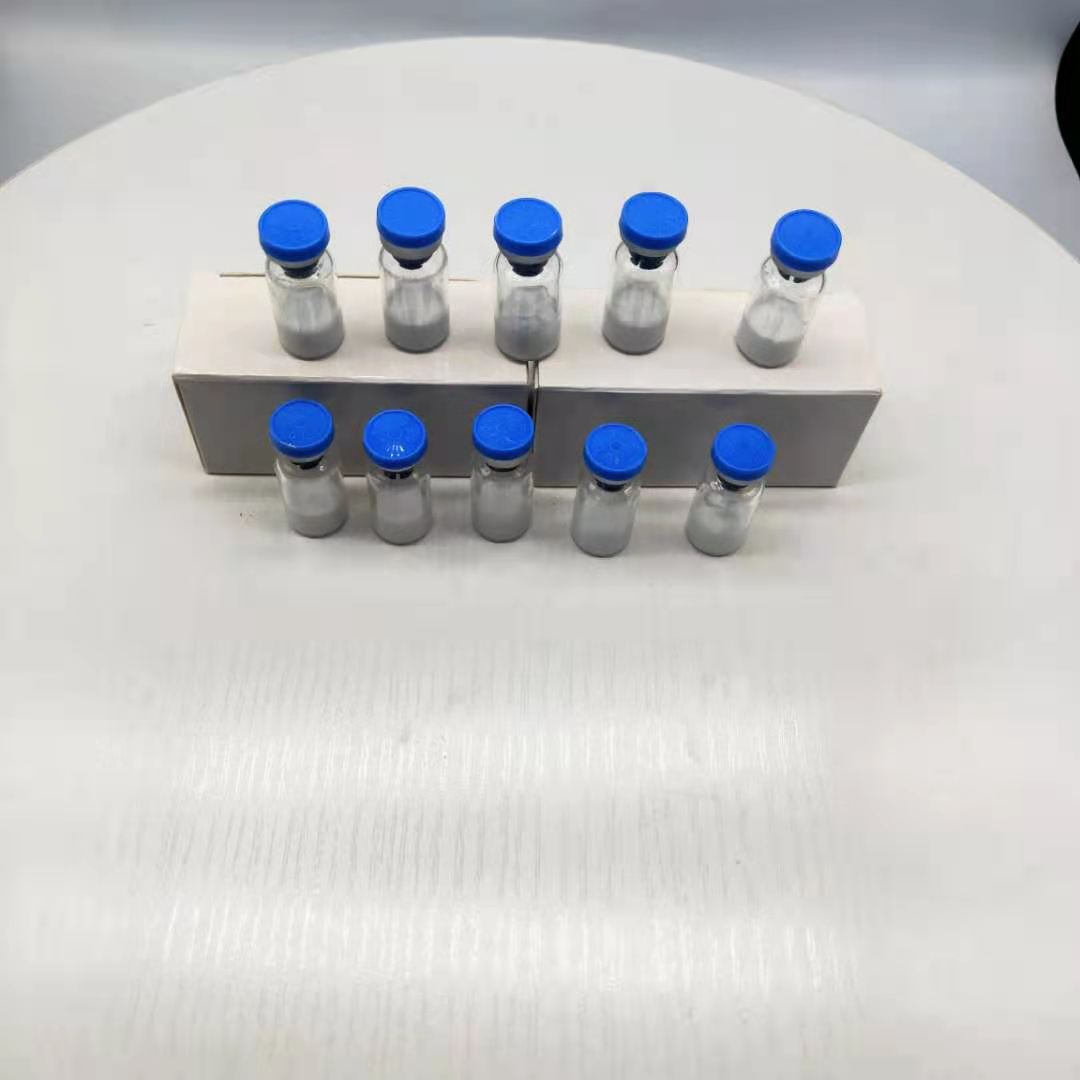
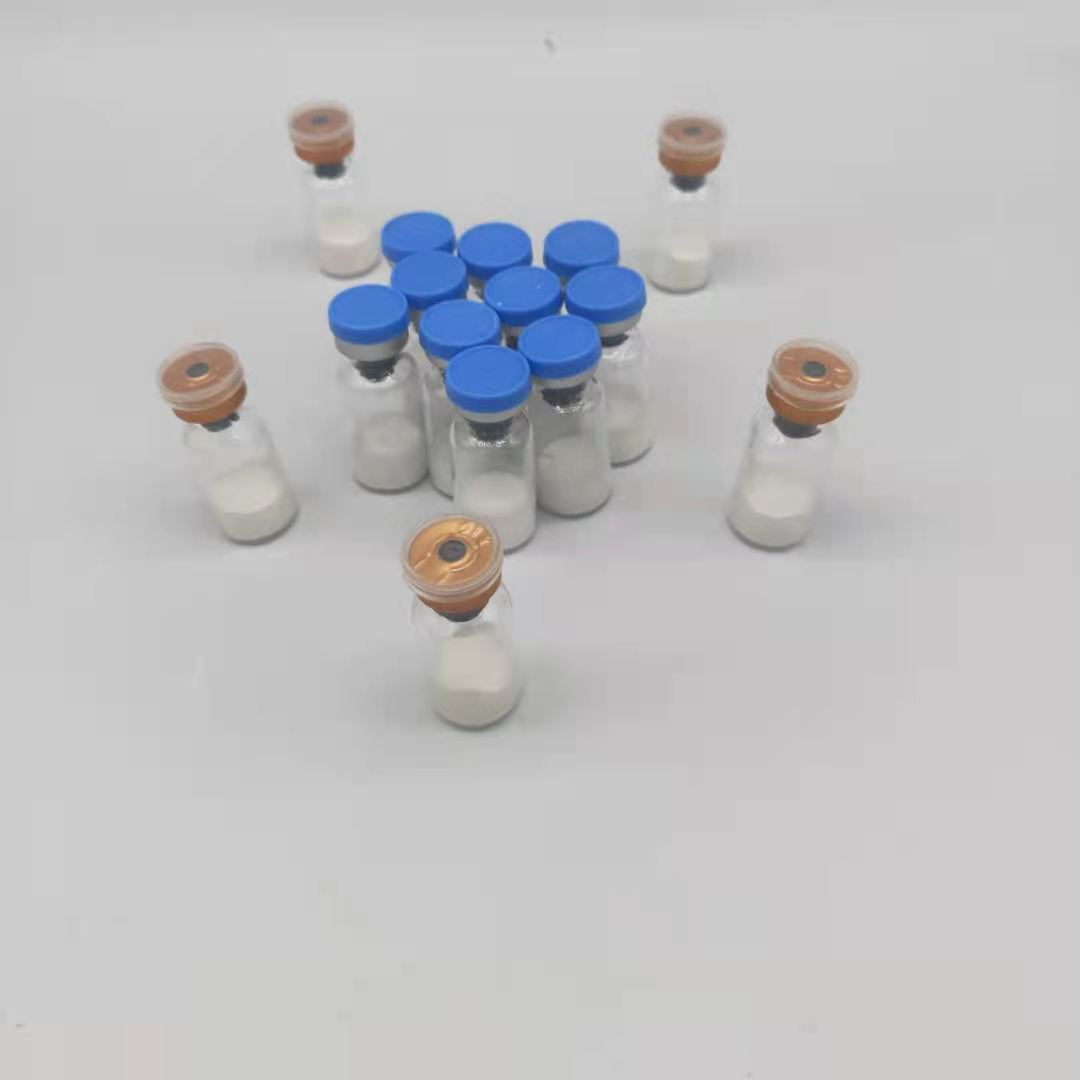
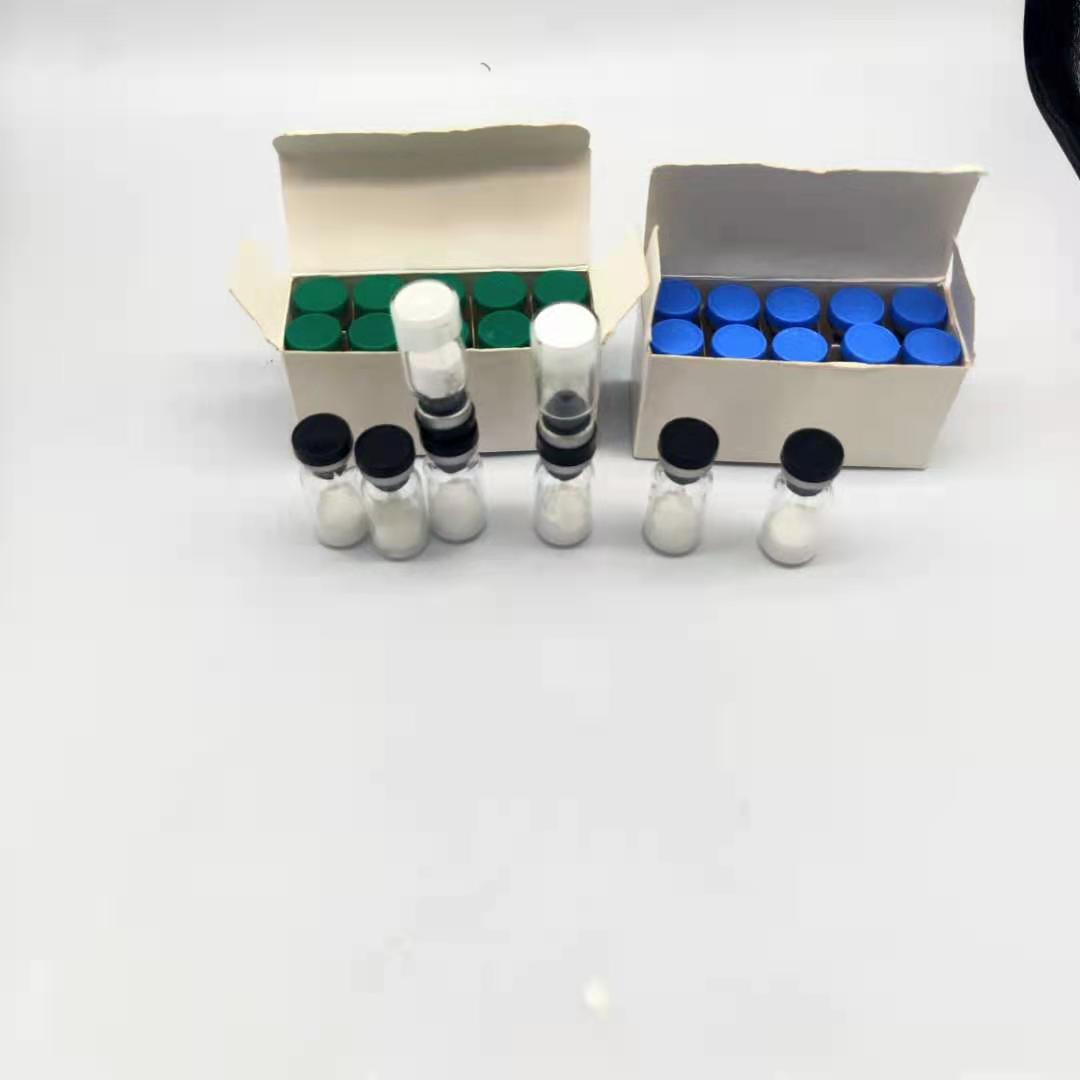
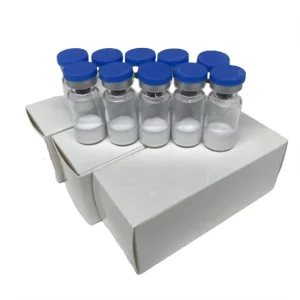
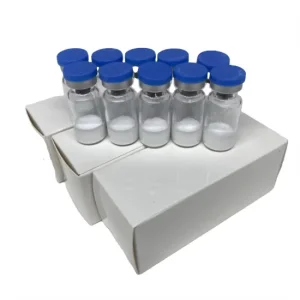
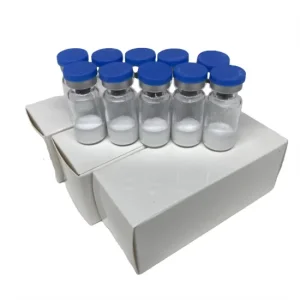
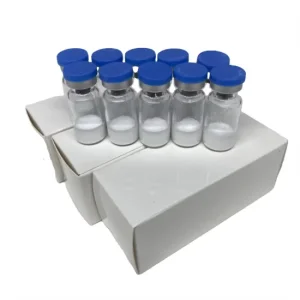
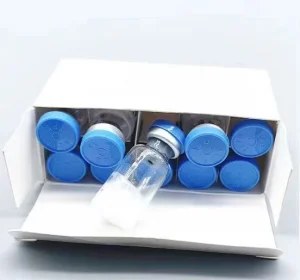
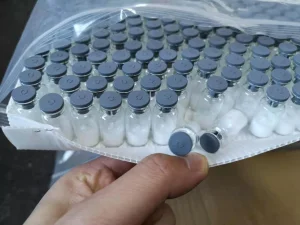
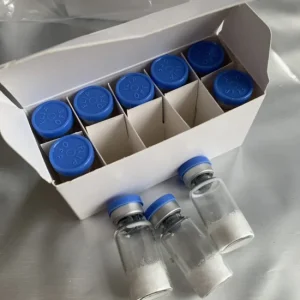
What is IGF-1 LR3?
Insulin-like growth factor-1 Long R3 (IGF-1 LR3) is a modified version of the naturally occurring insulin-like growth factor-1 (IGF-1). It is a synthetic peptide hormone that has been shown to have anabolic effects on muscle tissue, meaning it helps promote muscle growth and repair. IGF-1 LR3 differs from regular IGF-1 in that it has an additional 13 amino acids on its N-terminal end, which increases its half-life and bioavailability in the body. This makes it more effective at promoting muscle growth than regular IGF-1.
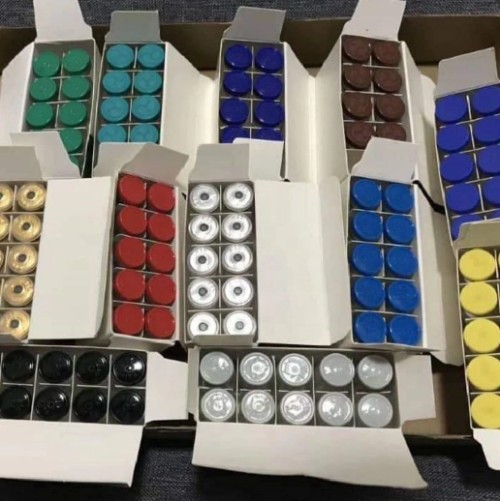
Other Peptides
jintropin
hygetropin
AOD9604
Hcg
HGH fragment
CJC-1295
TB-500
BPC-157
PT-141
Retatrutide
semaglutide
Tirzepatide
CHRP-2
CHRP-6
Melanotan
peg-mgf
oxytocin
Ipamorelin
MGF
DSIP
Sermorelin
Hexarelin
Gonadorelin
Selank
Epithalon
Tesamorelin
Triptorelin
igf Ir3
follistatin 344
GHK-CU
dihexa
adipotide
Kisspeptin
semax
MOTS-C
Frequently Asked Questions
What makes IGF-1 LR3 different from standard IGF-1?
IGF-1 LR3 is engineered with an additional 13 amino acids at its N-terminus. This structural change significantly lowers its binding affinity to IGF-binding proteins, leading to a much longer half-life and substantially higher bioavailability compared to standard IGF-1.
How does IGF-1 LR3 support muscle growth?
IGF-1 LR3 activates satellite cells in muscle tissue, facilitating hyperplasia (the formation of new muscle cells) and hypertrophy (the expansion of existing cells), which leads to improved muscle fullness and mass.
How does IGF-1 LR3 contribute to fat loss?
It aids metabolic efficiency by preventing the transport of glucose into fat cells, encouraging the body to burn fat for energy instead of storing it.
What role does IGF-1 LR3 play in workout recovery?
Because of its cellular repair and nutrient-shuttling capabilities, IGF-1 LR3 dramatically reduces the downtime needed for muscle tissues to repair following intense physical activity.
Can IGF-1 LR3 be combined with other peptides?
In research settings, IGF-1 LR3 is frequently studied in combination with other peptides such as BPC-157, TB-500, or CJC-1295 to evaluate synergistic effects on tissue regeneration and performance.