Direct factory supply with HPLC/MS verification, high structural consistency, and rigorous batch-to-batch analytical control.
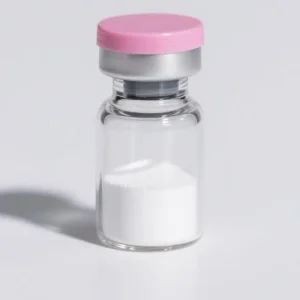
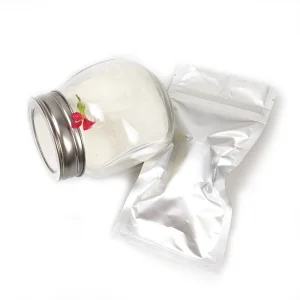
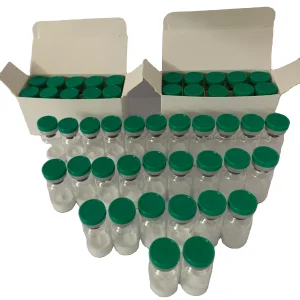
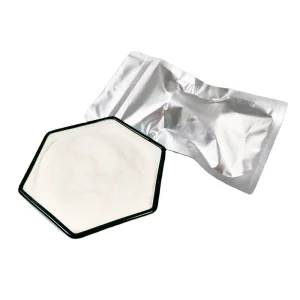
An authoritative breakdown of chemical parameters, synthesis standards, analytical assay benchmarks, and strict supply criteria for global procurement professionals.
In analytical organic synthesis, specialized pharmaceutical intermediate manufacture, and advanced sanitization chemistry, CAS 7553-56-2 designates high-purity elemental iodine (I₂). Operating as a cornerstone reagent across pharmaceutical APIs, X-ray contrast media, and peptide protection chemistry, CAS 7553-56-2 requires uncompromising assays of ≥99.5% to ≥99.8%. The reactivity profile demands exacting moisture, non-volatile matter, and chlorine/bromine impurity thresholds to guarantee that subsequent electrophilic iodinations or catalyst regeneration loops remain free of side-chain degradation.
| Chemical Property | Technical Specification Value | Analytical Verification Method |
|---|---|---|
| CAS Number | 7553-56-2 | IUPAC / Chemical Abstracts Registry |
| Molecular Formula & Weight | I₂ | 253.808 g/mol | Stoichiometric Mass Determination |
| Assay Purity (Grade Dependent) | ≥99.5% (Tech Grade) / ≥99.8% (USP/ACS Grade) | Redox Iodometric Titration (Na₂S₂O₃ Standard) |
| Physical Appearance | Dark-violet to black crystals / prills with metallic luster | Visual & Optical Microscopy Standard |
| Non-Volatile Residue | ≤0.01% - ≤0.02% Max | Sublimation Gravimetric Analysis |
| Chloride & Bromide (as Cl) | ≤0.005% Max | Ion Chromatography (IC) / Turbidimetry |
| Heavy Metals (Pb, As, Fe) | <10 ppm Max cumulative | Inductively Coupled Plasma Mass Spectrometry (ICP-MS) |
How Chinese chemical manufacturing parks merge raw mineral extraction, closed-loop refining, and export logistics to ensure supply resilience.
China leverages extensive geological brine lakes and industrial byproduct extraction infrastructures (such as subterranean mineral salt brines and phospho-chemical extraction streams). This vertically integrated feed supply shelters end buyers from volatile spot-market shocks typical in decentralized raw material channels.
Modern Hebei and coastal fine-chemical manufacturers employ multi-stage vaporization and crystallization towers. By systematically eliminating chlorine, heavy metal oxides, and traces of organic carbon, production lines deliver uniform flaked or spherical prill morphologies with negligible caking.
CAS 7553-56-2 falls under Class 8 (Corrosive) with subsidiary Class 6.1 risks. Chinese facilities are certified under IMDG, ICAO, and ADR regulations, utilizing UN-certified HDPE drums, double barrier foil liners, and complete dangerous goods inspection certificates (DGM) to clear ports without customs bottlenecks.
Examining how structural shifts in contrast media synthesis, biocidal regulation, and lithium battery electrolytes reshape world demand.
The global demand for non-ionic iodinated contrast media (such as Iohexol, Iopamidol, and Iodixanol) expands at >6.5% CAGR. These diagnostics require immense tonnage of CAS 7553-56-2 with minimal elemental contaminants to prevent organ toxicity in patient-administered formulations.
Emerging research leverages polyiodide redox flow batteries and halide perovskite photovoltaic cells. High-purity iodine serves as the key anion source, pushing requirements for sub-ppm trace metal tolerances and anhydrous delivery forms to prevent electrochemical degradation.
Rising antibiotic resistance drives adoption of complexed iodine matrices (PVP-Iodine / Povidone Iodine) in hospital biosecurity, veterinary health, and municipal water purification. Factory-direct CAS 7553-56-2 guarantees uniform iodophor complexation with zero residual halogen free-radicals.
Quantified supply capabilities across production capacity, regulatory compliance, and international logistics execution.
Engineered synthesis pathways where strict quality parameters of CAS 7553-56-2 directly determine yield, impurity profiles, and process safety.
In solid-phase and solution-phase peptide synthesis (SPPS), CAS 7553-56-2 executes simultaneous deprotection and oxidative cyclization of bis-Acm-protected cysteine residues. The elimination of heavy metal catalysts ensures no residual toxicity in finished peptide vials.
Elemental iodine serves as a mild, non-toxic Lewis acid and electrophile. It enables carbon-heteroatom bond formation, heterocyclic synthesis, and selective oxidation loops without requiring expensive transition-metal complexes (e.g., Palladium, Ruthenium).
Iodine molecules arrayed along stretched polyvinyl alcohol (PVA) matrices form the polarizing core of modern LCD and OLED displays. Optical-grade iodine requires strict absence of refractory mineral dust and particulates to prevent screen display artifacts.
Practical insights on regulatory documentation, packaging integrity, shelf-life management, and third-party validation.
CAS 7553-56-2 is categorized under UN 3495 (Iodine, solid, toxic, corrosive) or UN 1759 depending on domestic transport regulations. Shipments are packed in 25kg or 50kg UN-certified fiber or polyethylene drums featuring hermetically heat-sealed double fluorinated or heavy-gauge polyethylene inner liners to block iodine vapor leakage.
Yes. Every manufacturing batch is accompanied by an itemized Certificate of Analysis (COA) specifying the titrated purity, non-volatile matter, chloride/bromide impurities, and heavy metal parts-per-million assays. Independent testing through SGS, Intertek, or certified cGMP laboratory cross-checks is supported upon buyer contract request.
By sourcing directly from primary sublimation refineries in Hebei and regional production bases, clients eliminate intermediate trader markups (often 12% to 28%). Factory-direct supply agreements additionally secure price stabilization locks over 6- to 12-month periods, protecting buyers against short-term global haloid swings.
Elemental iodine exerts an elevated vapor pressure even at ambient conditions. Materials must be stored in cool (below 25°C), well-ventilated, dry facilities away from direct sunlight, reducing agents, ammonia, and metallic powdered catalysts. Containers must remain hermetically sealed to inhibit vapor sublimation into surrounding storage areas.
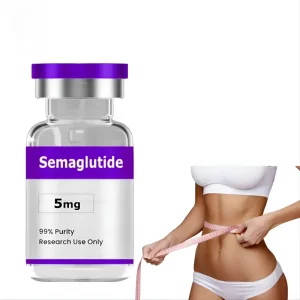
Complete portfolio of laboratory-grade peptides, metabolic signaling molecules, and specialty research chemicals ready for worldwide shipment.