Verified analytical standard profiles, HPLC chromatogram releases, and mass spectrum reports directly mapped to certified manufacturing lots.
Growth Hormone Releasing Hexapeptide (GHRP-6) engineering requires strict stereochemical synthesis to preserve biological activity at the ghrelin/growth hormone secretagogue receptor (GHS-R1a).
GHRP-6 possesses the primary sequence His-D-Trp-Ala-Trp-D-Phe-Lys-NH2. The inclusion of unnatural D-enantiomers (D-Trp and D-Phe) is crucial for receptor affinity and enzymatic resistance. Our production lines use enantiopure Fmoc-protected building blocks, with D/L optical isomerism testing via chiral chromatographic assays.
Standard solid-phase synthesis yields residual trifluoroacetic acid (TFA), which can compromise downstream cellular assays. Our factory provides optional counter-ion exchange, replacing TFA salts with acetate or hydrochloride matrices to guarantee less than 0.5% residual TFA content in industrial-grade lots.
Many bulk suppliers conflate gross dry lyophilized weight with actual peptide mass. Miaoou provides validated nitrogen elemental analysis and quantitative amino acid analysis (AAA), documenting exact peptide content (typically 80% to 88% net peptide, balance bound water and counter-ions) for accurate dosing formulations.
| Analytical Parameter | Monograph Standard (Miaoou cGMP) | Standard Laboratory Grades | Analytical Methodology |
|---|---|---|---|
| Chemical Formula / MW | C46H56N12O6 / 873.01 Da (± 0.5 Da confirmed) | Nominal mass calculation only | ESI-TOF MS / MALDI-TOF MS |
| HPLC Chromatographic Purity | ≥ 99.0% (AUC on dual wavelength array) | ≥ 95.0% - 98.0% | RP-HPLC (C18 column, Acetonitrile/TFA gradient) |
| Residual Solvent Limits | Acetonitrile ≤ 410 ppm, DMF ≤ 880 ppm | Often unmonitored / undocumented | Headspace GC-MS (USP <467>) |
| Endotoxin Content | < 0.05 EU/mg (pyrogen-free certified) | > 5.0 EU/mg (raw technical grade) | Kinetic Turbidimetric LAL Assay |
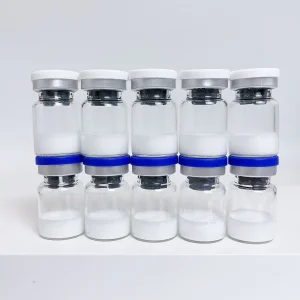
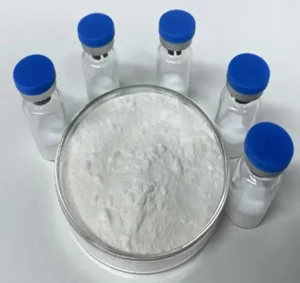
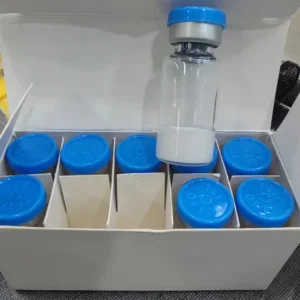
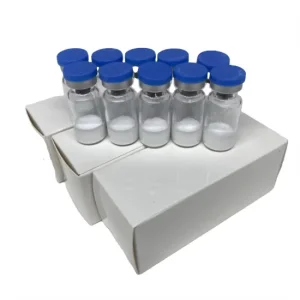
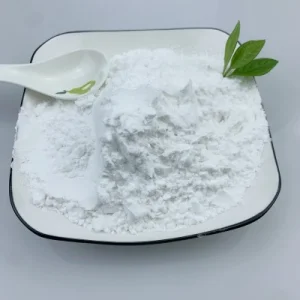
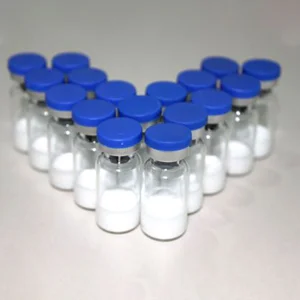
| Appearance & Reconstitution | Crisp white lyophilized plug, soluble in water ≥ 20 mg/mL | Clumpy, partial insolubility | Visual clarity testing & UV extinction check |
Modern peptide procurement requires choosing the right balance between rapid solid-phase iteration and cost-effective liquid-phase manufacturing for multi-kilogram batches.
During the synthesis of GHRP-6, steric hindrance around the D-Trp and Trp residues can trigger chain termination. Our automated reactors utilize microwave-assisted Fmoc-SPPS on Rink Amide-MBHA resins, optimizing coupling efficiency to over 99.8% per step while suppressing aggregation and truncation.
Post-cleavage crude peptides are purified using 150 mm to 300 mm DAC industrial chromatography columns. This yields baseline separation from deletion fragments (such as [des-Lys6]-GHRP6), providing bulk API lots with consistent purity over 99.0%.
Our aseptic filling line operates under ISO Class 5 laminar air flow, utilizing automated stoppering lyophilizers. Nitrogen purging prevents oxidative degradation of tryptophan rings, ensuring long-term shelf stability at 2°C to 8°C without premature oxidation or peptide fragmentation.
As regulatory pressures mount against hazardous solvents like DMF and NMP, our synthesis roadmap leads the industry toward sustainable, automated production.
Transitioning to biodegradable alternatives, such as 2-Methyltetrahydrofuran (2-MeTHF) and Cyrene, cutting petroleum solvent emissions by 64% while maintaining high crude purity.
In-line UV-Vis and near-infrared spectrometry continuously monitor deprotection kinetics during every synthesis cycle, minimizing cycle times and stopping uncoupled waste in real time.
Shifting from batch prep-HPLC to continuous Simulated Moving Bed (SMB) chromatography, cutting organic solvent consumption by 45% while boosting recovery yields to over 92%.
Integration of lot-specific cryptographic QR verification directly onto secondary carton packaging, confirming original factory release documentation and defeating counterfeit supply routes.
Cross-border peptide distribution requires navigating diverse customs frameworks, proper HS classification, and uninterrupted temperature management.
We declare GHRP-6 under the standardized Harmonized Tariff Schedule code 2937.19.00 (hormones, prostaglandins, thromboxanes, and other synthetic equivalents). Every shipment includes a verified proforma invoice, detailed packing list, Certificate of Analysis (COA), and OSHA-compliant Safety Data Sheet (SDS).
To mitigate port inspection bottlenecks in North America, Europe, Australia, and Latin America, Miaoou collaborates with bonded freight forwarders experienced in pharmaceutical intermediates. We offer DDP (Delivered Duty Paid) shipping solutions that include handling import tariffs and local regulatory filings.
While lyophilized GHRP-6 exhibits ambient stability for short transit windows, bulk enterprise batches ship in validated VIP (Vacuum Insulated Panel) thermal packaging with blue ice or dry ice matrices. Calibrated USB/NFC data loggers monitor transit temperatures from factory floor to delivery, protecting against protein denaturation.
We support corporate procurement, academic institutions, and licensed formulators with full traceability and direct access to production chemists.
We welcome qualified commercial buyers to inspect our synthesis and quality control cleanrooms via pre-scheduled on-site visits or third-party audits. We also provide secure virtual plant tours and batch record reviews under mutual NDA.
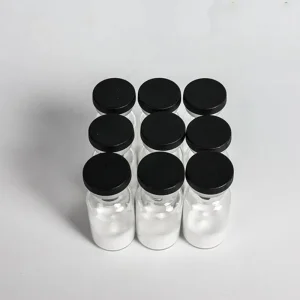
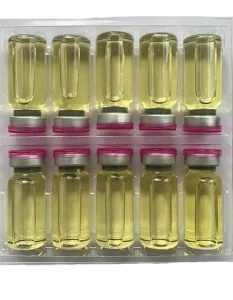
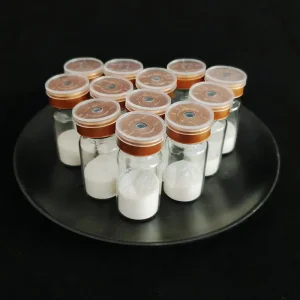
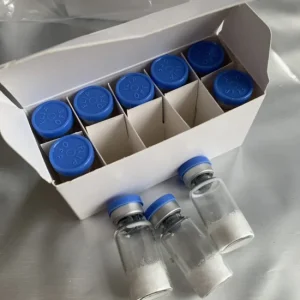
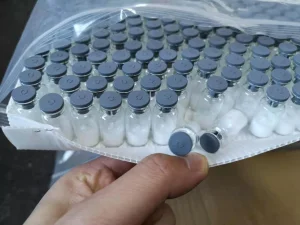
From micro-aliquoting (1 mg to 10 mg vials) to multi-kilogram bulk drums, we support custom packaging with customized fill volumes, custom crimp cap colors, and OEM private-label design tailored to your distribution requirements.
Our international export team and analytical chemists address inquiries within 24 hours on business days, providing HPLC-MS interpretation, stability assessments, and formal quotations to streamline your purchasing process.
Direct answers to common questions on sourcing, manufacturing parameters, analytical releases, and logistical support.
Browse our extended product lines, including metabolic signaling peptides, GHRH secretagogues, and high-purity chemical APIs.