1 / 5
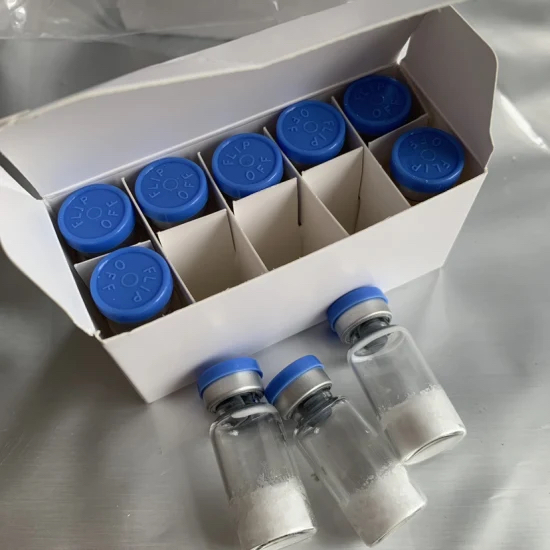
Semaglutide is a long-acting glucagon-like peptide-1 (GLP-1) receptor agonist used to treat type 2 diabetes. It reduces blood sugar levels by simulating the effects of GLP-1, promoting insulin secretion, inhibiting glucagon secretion, and slowing down the emptying speed of the gastrointestinal tract, thereby reducing postprandial blood sugar peaks and fasting blood sugar levels. The long-acting nature of semaglutide allows patients to inject it only once a week, improving patient compliance.
Clinical trials have shown that semaglutide has stronger hypoglycemic effects and more significant weight loss effects than other GLP-1 receptor agonists. In addition, it has been shown to improve patients’ insulin resistance, reduce insulin usage, reduce the risk of hypoglycemia, and have a positive impact on insulin receptor sensitivity.
Semaglutide is dosed as a once-weekly subcutaneous injection and can be administered at any time point, regardless of meal times. It can be used as a monotherapy or in combination with other oral hypoglycemic drugs and is suitable for blood sugar control in patients with type 2 diabetes.
In summary, Semaglutide, as a new GLP-1 receptor agonist, has stronger hypoglycemic effect, more significant weight loss effect and better cardiovascular protection effect, and can provide patients with type 2 diabetes More effective treatment options.
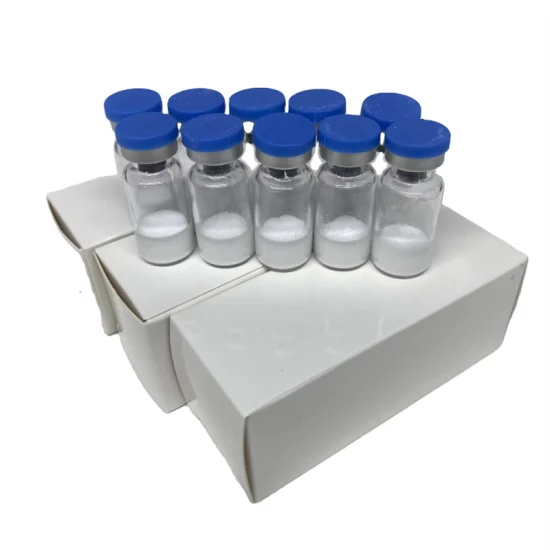
There have been several anti-obesity medications that help suppress appetite and achieve weight loss. But semaglutide performs on a new level.
An early study of 2,000 obese adults compared people using semaglutide plus a diet and exercise program with people who made the same lifestyle changes without semaglutide.
After 68 weeks, half of the participants using semaglutide lost 15% of their body weight, and nearly a third lost 20%. Participants who incorporated only lifestyle changes lost about 2.4% of their weight.
Since then, additional studies have shown similar results. But they’ve also revealed that participants tend to regain the weight lost when they stop taking semaglutide.
“The fundamentals of obesity management will always be changes to diet and exercise,” Dr. Surampudi says. “But having anti-obesity medications is another tool in the toolbox — depending on the person’s clinical history.”
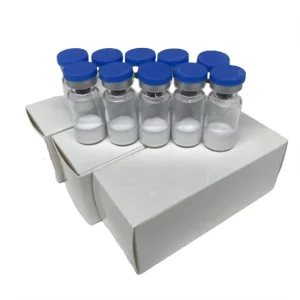
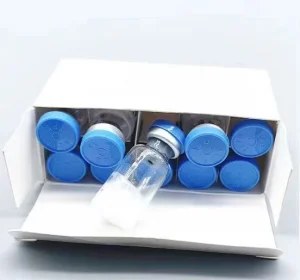
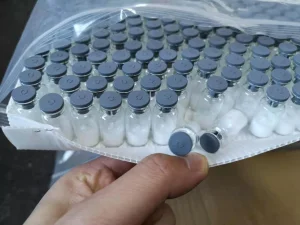
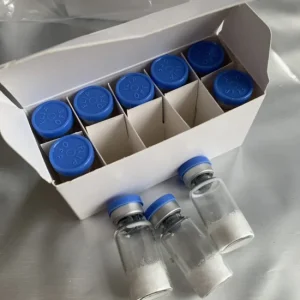
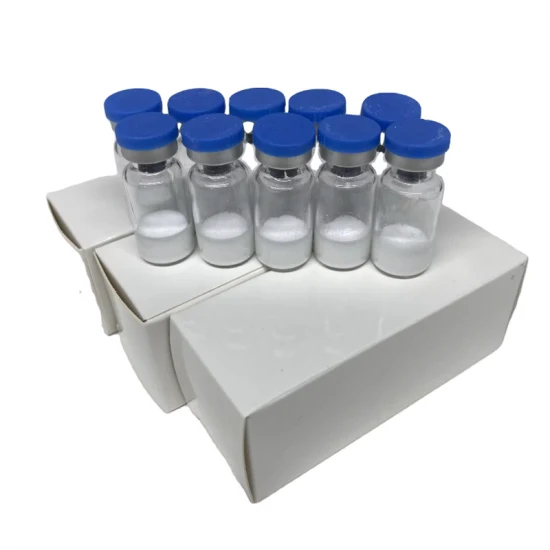
| Product Name | Semaglutide |
| Purity | over 98% |
| Shelf Life | 3 years |
| Payment ways | Western Union, bank transfer or Bitcoin |
| Shipping Time | Normally need take around 7-15 days |
| Delivery | Delivery after receive the payment |
Semaglutide mimics the GLP-1 hormone, promoting insulin secretion, slowing stomach emptying, and suppressing glucagon secretion to manage fasting and post-meal blood sugar levels.
Semaglutide is administered once weekly via subcutaneous injection and can be taken at any time, independent of meal schedules.
Clinical research showed that over 68 weeks, about 50% of participants lost 15% of body weight, and roughly one-third lost 20% when paired with diet and exercise.
Clinical studies show that individuals tend to regain lost weight after discontinuing semaglutide, emphasizing the importance of long-term diet and exercise routines.
The product features a purity standard of over 98% and maintains a shelf life of up to 3 years.
Yes, semaglutide can be administered either as a monotherapy or combined with other oral hypoglycemic medications depending on clinical guidance.