Verified factory-direct pharmaceutical intermediates, lyophilized research peptides, and reference active raw materials supplied with comprehensive analytical validation dossiers.

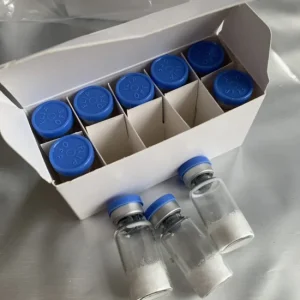
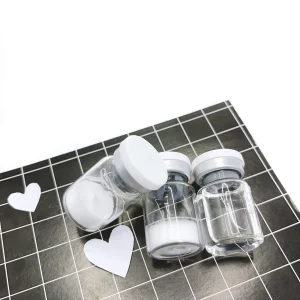
An empirical analysis of global consumption trends, post-patent market decentralization, and the shift toward integrated active pharmaceutical ingredient (API) manufacturers.
Since the expiration of core originator patents (US and Supplementary Protection Certificates in Europe), procurement has decentralized rapidly from Western monopolistic suppliers to qualified generic manufacturing clusters in Asia. Today, over 70% of global finished generic formulations rely on direct Chinese and Indian API factories capable of providing fully registered open-part Drug Master Files (DMF) and Certificates of Suitability (CEP).
Procuring organizations face diverging regulatory frameworks internationally. In markets such as the United States (DEA Schedule V) and the United Kingdom (Class C Schedule 3), Pregabalin imports mandate strictly audited chain-of-custody protocols, import/export permits, and tamper-evident packaging. Factories must maintain high batch-to-batch traceability to pass downstream customs inspections without shipment holds.
The indications for bulk Pregabalin continue to expand beyond diabetic peripheral neuropathy and post-herpetic neuralgia. Significant procurement increases originate from psychiatric health facilities treating generalized anxiety disorder (GAD), central neuropathic pain resulting from spinal cord injury, and adjunctive clinical therapy for partial-onset epileptic seizures across emerging economies.
Industrial chemical synthesis of (S)-Pregabalin demands stringent stereospecific control to prevent racemic reversion and to isolate the biologically active enantiomer at commercial scale.
Racemic Pregabalin synthesis via Knoevenagel condensation followed by kinetic resolution with (S)-Mandelic acid. Yield caps mathematically at 50% without continuous mother liquor racemization loops.
Enzymatic asymmetric hydrolysis using engineered Lipase or aminoacylase enzymes. Delivers exceptional chiral purity (ee > 99.8%) with low aqueous environmental impact and superior green chemistry metrics.
Enantioselective catalytic hydrogenation of cyano-substituted cinnamate intermediates utilizing chiral Rhodium or Ruthenium diphosphine complexes. Maximizes total atom economy at industrial scale.
Modern Chinese facilities employ continuous-flow micro-channel systems to tightly regulate exothermic reactions during the Hofmann rearrangement or reduction steps, eliminating thermal runaway risks.
| Analytical Parameter | USP Monograph Standard | EP / BP Monograph Standard | High-Efficiency Factory Internal Spec |
|---|---|---|---|
| Enantiomeric Purity (Chiral HPLC) | ≥ 99.0% (S)-enantiomer | ≥ 99.0% (S)-enantiomer | ≥ 99.85% ((R)-enantiomer ≤ 0.10%) |
| Pregabalin Lactam Impurity | ≤ 0.15% | ≤ 0.10% | ≤ 0.04% (Trace degradation control) |
| Assay (Anhydrous Basis) | 98.0% – 102.0% | 98.5% – 101.5% | 99.5% – 101.0% (Potentiometric Titration) |
| Residual Solvents (GC-HS) | Meets ICH Q3C Limits | Meets ICH Q3C Limits | Methanol < 500ppm, Ethyl Acetate < 200ppm |
| Heavy Metals / Elemental Impurities | ICH Q3D Compliant | ICH Q3D Compliant | Total ICP-MS Heavy Metals < 5 ppm |
| Physical Particle Distribution | Not specified | Not specified | Custom D90 (10μm, 50μm, 120μm) for direct tableting |
Why Tier-1 Chinese chemical manufacturing zones provide unmatched cost-to-potency stability, feedstock integration, and uninterrupted bulk product continuity for enterprise buyers.
Chinese facilities located in dedicated industrial chemical clusters (Hebei, Shandong, and Jiangsu) maintain direct pipeline or domestic access to primary feedstocks: isovaleraldehyde, cyanoacetic acid, and diethyl malonate. This eliminates transatlantic and transpacific precursor bottlenecks that routinely cause production stoppages in decentralized global plants.
Operating large-scale reactors ranging from 3,000L to 10,000L allows unified Chinese factories to output multi-metric ton campaign batches. Combined with localized high-efficiency steam recovery, closed-loop mother liquor recycling, and distributed solar installations, thermal energy costs per kilogram produced drop by 22% to 35% compared to Western facilities.
Modern Chinese facilities operate under state-monitored Eco-Industrial park regulations. Equipped with internal Wastewater Treatment Plants (WWTP), Catalytic Incinerators (RTOs) for VOC destruction, and dual automated analytical QA/QC laboratories (HPLC, LC-MS, GC, XRD), manufacturing runs seamlessly without fear of arbitrary municipal environmental shutdowns.
Matching factory raw powder output with downstream secondary manufacturing demands across oral solid dosages, clinical solutions, and specialized veterinary therapeutic research.
The dominant worldwide dosage form across commercial hospital pharmacies (25mg, 50mg, 75mg, 150mg, 300mg strengths). Procurement managers require optimized tap density and dry powder flowability to minimize static buildup during high-speed encapsulator runs without adding excessive talc or magnesium stearate.
To eliminate costly and moisture-inducing wet granulation phases, Tier-1 manufacturing facilities offer co-processed, directly compressible Pregabalin mixtures containing compatible microcrystalline cellulose and pregelatinized starch binders, maintaining dissolution rates > 85% within 15 minutes.
Supplied at pharmaceutical purity for pediatric oral solutions (20 mg/mL) and veterinary compounding for feline hyperesthesia and canine idiopathic neuropathic therapy. Demands highly soluble, ultra-low endotoxin crystalline powder clear of insolubles and optical haze when reconstituted in purified water.
Ensuring uncompromised physical stability, zero-degradation atmospheric preservation, and expedited international customs logistics clearance across every shipment.
Every production run undergoes mandatory lot testing via Ultra-High Performance Liquid Chromatography (UHPLC) and Gas Chromatography (GC-HS) for complete COA generation before packaging authorization.
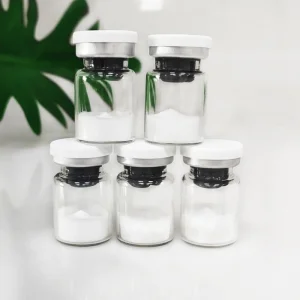
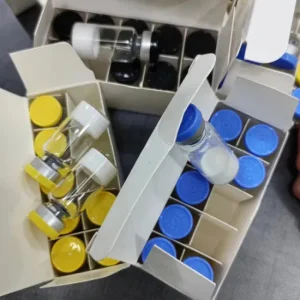
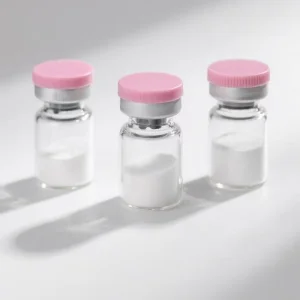
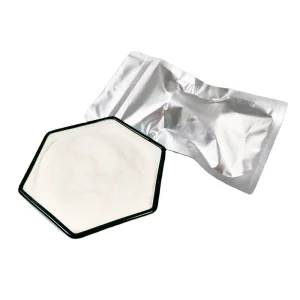
Material is sealed in double pharmaceutical-grade low-density polyethylene (LDPE) liner bags enclosed in heat-sealed aluminum moisture-barrier foil with food-grade molecular sieve desiccant canisters.
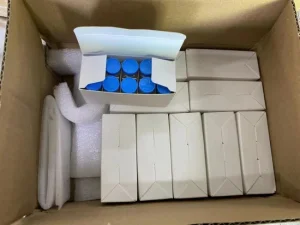
Bulk product is loaded into certified 25 kg fiber drums reinforced with heavy-duty metal locking rings and uniquely numbered barcoded security seals to prevent pilferage and transit contamination.
Dedicated export logistics units provide full commercial documentation: HS Code classification (292249), Verified Declarations, SDS according to GHS, and chain-of-custody tracking numbers.
Straightforward answers to the most critical technical, commercial, and regulatory queries encountered by pharmaceutical procurement directors when buying Lyrica products.
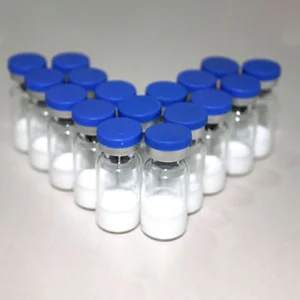
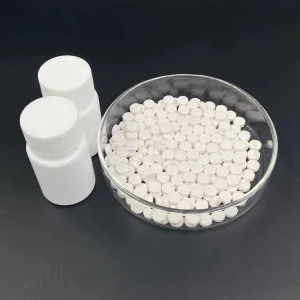
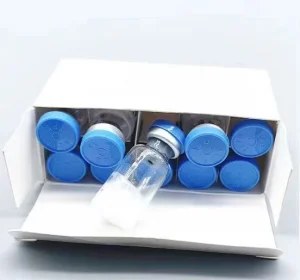
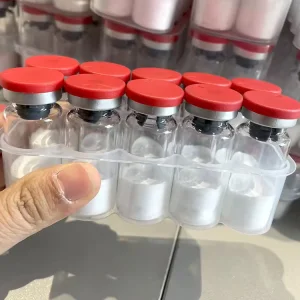
Browse our full series of specialized peptides, muscle growth factor reference standards, and small molecule therapeutic agents available for enterprise procurement.
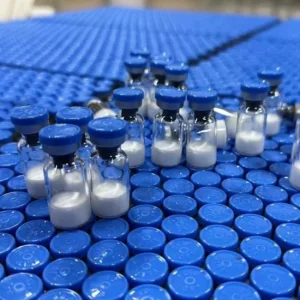
Whether establishing a dual-source generic pharmaceutical API supply line or acquiring research-grade reference material, direct factory auditing remains the definitive method to mitigate impurities, cross-contamination, and customs delays. Verify enantiomeric excess, monitor lactam degradation via stability testing, and demand transparent HPLC chromatograms with every commercial delivery.

