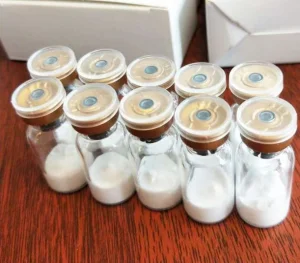
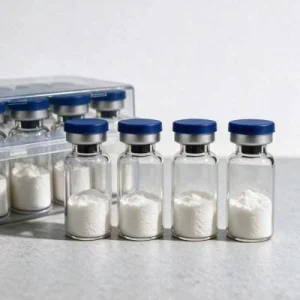
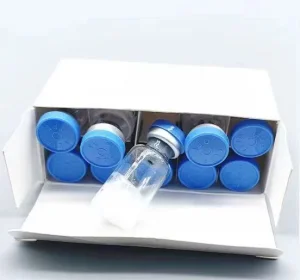
Explore our certified batch inventory, manufactured under ISO9001 quality management protocols with comprehensive analytical verifications (HPLC, GC-MS, and NMR).
Analyzing molecular architecture, perfluorinated carbon tail mechanics, regulatory transition pathways, and macro-industrial consumption patterns.
2-(Perfluoroalkyl)ethyl methacrylate (often categorized under fluorotelomer methacrylates) possesses a rigid, low-polarizability fluorocarbon chain combined with a reactive methacrylate ester terminal. Upon radical or emulsion copolymerization, the perfluoroalkyl groups spontaneously self-assemble and bloom to the air-solid interface, lowering the critical surface tension to as low as 6–12 mN/m, imparting superior oleophobic and superhydrophobic properties.
Global regulatory developments, specifically US EPA TSCA SNURs and EU REACH Annex XVII constraints, have shifted modern chemical supply chains away from legacy long-chain homologues (C8+) toward strictly validated short-chain Perfluorohexylethyl Methacrylate (C6 chemistry). Chinese industrial facilities utilize advanced telomerization fractionation to guarantee undetectable levels of non-compliant PFOA precursors.
Pricing indices for 2-(perfluoroalkyl)ethyl methacrylate are heavily dictated by the raw feedstock fluorspar (CaF2), anhydrous hydrofluoric acid (AHF), and upstream ethylene tetrafluoroethylene intermediate outputs. Through domestic vertical integration in chemical clusters, China provides competitive contract pricelists, offsetting the 25–40% premium common among Western tier-1 distributors.
An in-depth review of why international formulators and OEM chemical houses source 2-(perfluoroalkyl)ethyl methacrylate from specialized manufacturing zones in China.
China holds significant global reserves of acid-grade fluorspar. Chinese manufacturing clusters integrate hydrofluoric acid synthesis, tetrafluoroethylene (TFE) dimerization, perfluoroalkyl iodide telomerization, and esterification on a single industrial site, minimizing cross-provincial haulage tariffs and chemical yield losses.
Modern Chinese fluorochemical units use automated micro-channel continuous reactors for the esterification of perfluoroalkylethyl alcohols with methacrylic anhydride or methacryloyl chloride. This micro-fluidic system curbs thermal runaways, limits polymerization inhibitors to <100 ppm MEHQ, and delivers consistent batch reproducibility.
Equipped with closed-loop thermal oxidizers operating at >1100°C with dry scrubbing, domestic factories achieve complete mineralization of hazardous fluorinated volatile organics into recoverable CaF2 slurries, ensuring complete compliance with the GB 31571-2015 emission standards.
From advanced electronics protection to heavy-duty architectural repellents: where perfluoroalkyl ethyl methacrylate monomers deliver critical performance.
Polymerized into ultra-thin fluoropolymeric coatings that protect high-density printed circuit boards against acidic condensation, electrochemical migration, and moisture intrusion without diminishing high-frequency dielectric efficiency.
Copolymerized into self-curing fluoroacrylate aqueous emulsions, serving as medical textile finishes that meet AAMI Level 4 fluid and viral penetration resistance standards while maintaining air breathability.
Penetrating silane-fluoromethacrylate hybrids applied across porous natural stone, marble, and concrete facades to repel heavy oil deposits, atmospheric airborne particulate grime, and graffiti paint without altering substrate vapor breathability.
Cured with multifunctional acrylates via UV irradiation to form transparent, scratch-resistant anti-smudge surfaces on vehicle LiDAR protective lenses, optical display panels, and external camera sensors.
Benchmarked parametric standards for procurement officers, chemical importers, and toll manufacturers.
| Commercial Grade / Compound | CAS Identifier | Purity Assay (GC) | Inhibitor (MEHQ) | Packaging Format | Indicative Price (FOB Base) |
|---|---|---|---|---|---|
| 2-(Perfluorohexyl)ethyl Methacrylate (C6 Monomer) | 2144-53-8 | ≥99.0% | 80 - 120 ppm | 25kg Fluorinated Drum / 200kg Steel Drum | $42.00 – $58.00 / kg |
| 2-(Perfluorooctyl)ethyl Methacrylate (Industrial Reference) | 1996-88-9 | ≥98.5% | 100 ppm | 200kg UN Composite Drum | $65.00 – $80.00 / kg (Regulated) |
| 2-(Perfluoroalkyl)ethyl Methacrylate (Mixed Telomer Cuts) | 65530-66-7 | ≥98.0% (Total Esters) | 150 ppm | 1000kg IBC Tote Tank | $34.00 – $46.00 / kg |
| High-Purity Electronic Grade Fluoromethacrylate | Custom Fractions | ≥99.8% | <50 ppm | Stainless Steel Spec Containers (20L / 200L) | $95.00 – $130.00 / kg |
*Note: Pricelist ranges are indicative and vary based on fluctuation of Fluorspar spot prices, drum specifications, raw freight rates, and minimum contract quantity commitments. Contact sales for formal proforma invoicing.
Strategic analysis for enterprise supply chain resilience, compliance auditing, and long-term delivery continuity.
Overseas formulation labs increasingly reject raw mixed telomer fractions in favor of highly distilled, narrow-cut monomers. Procuring pure single-carbon (e.g., pure C6 perfluorohexylethyl) methacrylate prevents unpredictable variations in glass transition temperatures (Tg) and surface dewetting during emulsion polymerization.
To insulate against shipping bottlenecks and port congestion, leading distributors now demand regional bonded staging. Chinese manufacturers support flexible FOB, CIF, and bonded DAP delivery contracts, providing vendor-managed inventory (VMI) frameworks backed by 3-day local dispatch options.
Documentation rigor has become a primary qualifying metric. Every commercial batch requires multi-spectrum GC-MS analysis, accurate GHS Safety Data Sheets (16 sections), non-animal toxicology screening data, and formal certification validating the non-detectable status of branched PFOA/PFOS impurities.
Direct clarifications covering monomer storage, stability, handling, and supply verification.
Explore secondary line catalog items with direct logistics support and global customs clearance solutions.