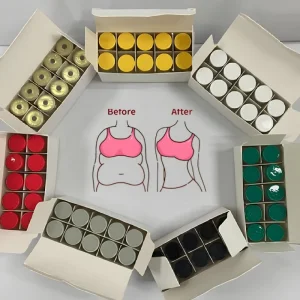
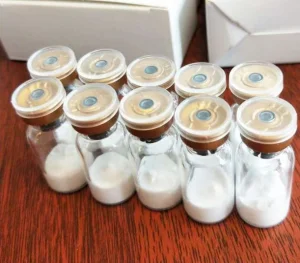
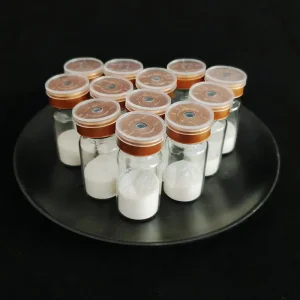
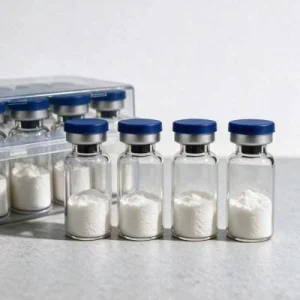
Direct factory allocation of certified compounds, analytical grade raw materials, and high-precision peptide syntheses complete with batch-specific analytical documentation.
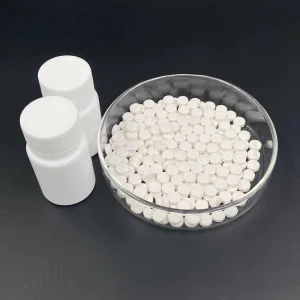
Sodium Hydroxide (NaOH, Molecular Weight: 39.997 g/mol, CAS RN: 1310-73-2, EC Number: 215-185-5) stands as the quintessential alkali underpinning modern industrial chemistry. Operating at the intersection of heavy inorganic chemical manufacturing and fine organic synthesis, high-grade sodium hydroxide requires stringent stoichiometric purity, zero carbonate contamination, and ultra-low heavy metal thresholds.
| Analytical Parameter | Membrane Grade Flakes (99%) | Industrial Pearls (99%) | Liquid Lye (50% Solution) | Testing Protocol (ISO/ASTM) |
|---|---|---|---|---|
| Assay Purity (NaOH) | ≥ 99.00% | ≥ 99.20% | ≥ 50.00% | Acid-Base Titrimetric (ASTM E291) |
| Sodium Carbonate (Na₂CO₃) | ≤ 0.40% | ≤ 0.30% | ≤ 0.20% | Gravimetric / Volumetric Titration |
| Sodium Chloride (NaCl) | ≤ 0.03% (300 ppm) | ≤ 0.02% (200 ppm) | ≤ 0.01% (100 ppm) | Potentiometric Titration (ISO 3196) |
| Iron Content (as Fe) | ≤ 5.0 ppm | ≤ 3.0 ppm | ≤ 2.0 ppm | Spectrophotometric / ICP-OES |
| Sulfate (as SO₄²⁻) | ≤ 0.01% (100 ppm) | ≤ 0.008% | ≤ 0.005% | Barium Sulfate Turbidimetry |
| Physical Appearance | White hygroscopic crystalline flakes | Uniform spherical white beads | Clear, viscous, colorless liquid | Visual / Automated Optical Inspection |
Modern Chinese chlor-alkali facilities exclusively implement state-of-the-art perfluorinated ion-exchange membranes (e.g., Nafion™ technology). This ensures complete elimination of mercury or diaphragm asbestos pollution while achieving an ultra-pure effluent stream devoid of chloride contaminations.
During prilling and flaking stages, nitrogen-blanketed cooling loops prevent atmospheric CO₂ absorption. Consequently, our CAS 1310-73-2 inventory maintains minimal Na₂CO₃, preventing downstream precipitation in delicate analytical columns and catalytic reactors.
Nickel-lined evaporation trains and specialized titanium pumps prevent nickel/iron leach. Inductively Coupled Plasma Mass Spectrometry (ICP-MS) tests confirm total heavy metal concentrations fall well beneath European REACH and FDA Food Chemical Codex (FCC) thresholds.
The global Caustic Soda (CAS 1310-73-2) trade exceeding 85 million metric tons annually is undergoing profound restructuring. Escalating energy volatility in Europe, strict environmental caps across North America, and explosive demand in lithium-battery cathode processing have cemented China as the bedrock of global supply resilience.
The green mobility transition is generating unprecedented appetite for ultra-pure caustic soda. In the hydrometallurgical extraction and precipitation of battery-grade lithium carbonate (Li₂CO₃), nickel sulfate (NiSO₄), and cobalt precursors, high-purity CAS 1310-73-2 guarantees strict pH regulation without introducing catastrophic transition metal poisons.
Western chlor-alkali complexes routinely curtail production whenever downstream PVC demand flags, precipitating acute caustic spot shortages. Chinese manufacturers, supported by integrated downstream polyolefin and chloro-acetic loops, maintain flat, uninterrupted operational uptime throughout all economic cycles.
International importers require strict compliance: European REACH registrations, Globally Harmonized System (GHS) SDS labeling in 18 languages, US FDA Food Contact notifications, and kosher/halal certifications. Professional Chinese suppliers provide end-to-end documentation packages mitigating maritime port clearance delays.
China's modern chlor-alkali sector has transitioned into an automated, carbon-optimized digital ecosystem. By integrating distributed control systems (DCS), robotic packaging lines, and carbon-capture optimization, factories deliver exceptional efficiency and guaranteed batch consistency.
Closed-loop algorithmic control over electrolytic current densities, brine flow rates, and catholyte recirculation rates mitigates hot-spot degradation, achieving 99.98% operational uptime.
Automated Form-Fill-Seal (FFS) bagging lines package 25kg PE/PP laminated valve bags under dry nitrogen purge. Moisture absorption and caking during ocean transit are completely eradicated.
Modern manufacturing clusters in Hebei, Shandong, and Jiangsu interface directly with freight railways feeding Tianjin, Qingdao, and Shanghai maritime container terminals within 24 hours.
Every pallet and bulk container carries a cryptographic QR identifier linking directly to raw brine purification logs, electrolysis run data, and the final analytical Certificate of Analysis (COA).
From metallurgical digestion to peptide synthesis buffering, CAS 1310-73-2 acts as an indispensable chemical catalyst, saponifying agent, and pH stabilizer across diverse sectors.
In alumina refineries across Australia, Brazil, and Guinea, concentrated sodium hydroxide digests bauxite ore at elevated temperatures (140°C–250°C), converting insoluble gibbsite/boehmite into soluble sodium aluminate while separating red mud residues.
In the Kraft pulping cycle, sodium hydroxide, alongside sodium sulfide, cleaves ether linkages in complex lignin structures. This releases cellulose fibers for high-tensile packaging boards and fine bleached writing papers.
Caustic soda provides exact neutralization of acid waste streams, facilitates heavy metal hydroxide precipitation (Cu, Zn, Cr), and maintains optimal alkalinity in biological anaerobic digester tanks.
Subjecting cotton yarn or fabric to tension in a 20%–25% NaOH bath causes irreversible fiber swelling, converts cellulose I to cellulose II crystal structures, boosts dye uptake by 35%, and imparts permanent silky luster.
Hydrolyzing triglycerides into sodium carboxylate fatty soaps. In food and beverage dairies, 1%–2% hot caustic solutions dissolve milk-stone and organic biofilm residues during automated Clean-In-Place (CIP) loops.
In solid-phase and liquid-phase organic syntheses, precise caustic reagents serve in Fmoc-cleavage neutralization, ester saponification, base catalysis, and pH balancing throughout HPLC purification mobile phases.
Sodium Hydroxide is a vigorously corrosive Class 8 dangerous good. Handling requires strict adherence to international maritime safety covenants, specialized UN-approved packaging, and comprehensive emergency spill response systems.
Heavy-duty outer PP woven bag + inner PE liner + extrusion-coated moisture barrier. Packed 40 bags (1 metric ton) per heat-treated wooden or plastic pallet, shrouded in shrink-wrap with UV stabilizers (26-27 MT per 20ft FCL).
UN-certified Type B or Type C flexible intermediate bulk containers equipped with dust-proof sifted seams and thick polyethylene inside bladders for rapid mechanical charging into large industrial dissolution basins.
Heavy-duty 316L stainless steel ISO tank containers (20–24 MT net) with steam heating coils and thermal insulation jackets, alongside 1,000L composite IBC containers for seamless direct factory offloading.
Detailed answers regarding chemical specifications, minimum order quantities (MOQ), global customs codes, dangerous goods declarations, and export compliance.
Explore our expanded synthesized research inventory, featuring high-purity peptides, active raw powders, and specialty biochemical references with complete analytical chromatography data.
Connect with our technical trade engineers for formal proforma quotations, container allocation schedules, sample COA documentation, and dangerous goods maritime logistics support. We respond to all buyer inquiries within 24 hours on business days.