Procurement-grade reference standards, precision active pharmaceutical ingredients, and customized organic synthesis batches verified via rigorous HPLC and mass spectrometry protocols.
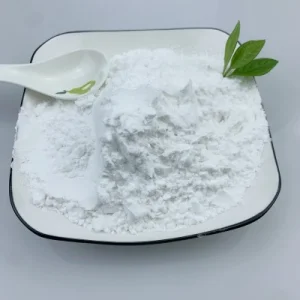
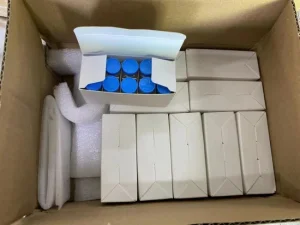
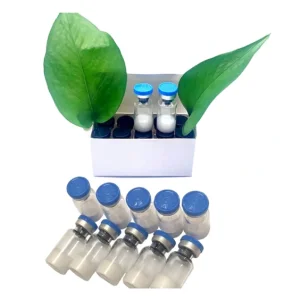
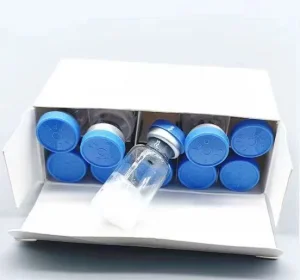
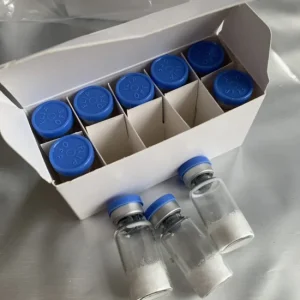
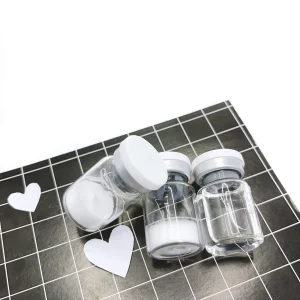
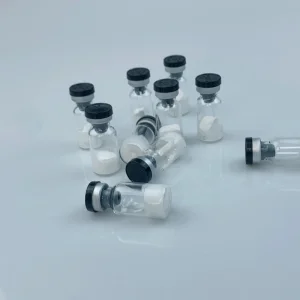
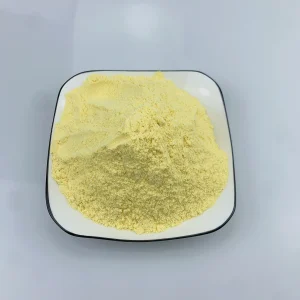
Methylammonium Chloride (also referred to as Methylamine Hydrochloride, MACI, CH₃NH₃Cl, CAS: 593-51-1) serves as an essential building block in cutting-edge optoelectronics and fine chemical syntheses. Analyzing the structural manufacturing merits of leading Chinese facilities.
Chinese factories are sited directly inside national-level petrochemical parks with integrated pipelines supplying anhydrous monomethylamine (MMA) and pharmaceutical hydrochloric acid (HCl). This guarantees stoichiometric control, eliminating free amine residues and shielding global customers from raw material market shocks.
Replacing antiquated batch reactor kettles, state-of-the-art facilities implement continuous multi-stage evaporative crystallizers. This thermodynamic uniformity yields narrow crystal size distribution, eliminating amorphous impurities, maximizing product bulk density, and ensuring ultra-rapid dissolution kinetics in polar aprotic solvents.
Advanced electronics applications demand zero metal contamination. Modern Chinese analytical hubs leverage ICP-MS to quantify transitional ions (Fe, Cu, Ni, Pb) below 1 ppm, ensuring that precursor layers in optoelectronic thin-films remain free from recombination defects and non-radiative traps.
From next-generation tandem solar modules to custom API peptide synthesis, understanding the specific thermodynamic and kinetic roles of ultra-pure Methylammoniumchlorid.
MACI acts as a quintessential crystallographic additive and cation modulator. In methylammonium lead triiodide ($MAPbI_3$) and mixed-cation matrices ($FA_{1-x}MA_xPbI_3$), it regulates crystal growth rates, widens processing windows, passes deep-level traps, and facilitates colossal grain growth exceeding 1 µm, elevating Power Conversion Efficiency (PCE) beyond 26%.
Serving as an unhindered methylamino donor, Methylammoniumchlorid is essential in synthesizing selective CNS active compounds, antihistamines, and non-steroidal therapeutics. In solid-phase peptide synthesis (SPPS) and specialized active amino acid modifications, high purity prevents cross-contamination of unreacted secondary amines.
Used widely in synthesizing advanced crop-protection formulations, broad-spectrum fungicides, and quaternary ammonium cation surfactants. Industrial consistency ensures maximum batch-to-batch yield during secondary nucleophilic displacement and condensation reactions.
Enterprise procurement managers must navigate technical parameters beyond unit price. We analyze critical QA/QC verification stages and regulatory factors required when auditing Chinese chemical producers.
MACI is notoriously hygroscopic. Exposure to ambient moisture leads to rapid surface caking and chemical degradation when formulating perovskite precursor inks. Reliable factories utilize multi-layer heat-sealed aluminum-laminated foil barriers purged with dry argon or high-purity nitrogen (<10 ppm $H_2O$), encased in anti-static reinforced drums.
Never rely on a bare percentage purity statement. Tier-1 enterprise suppliers issue batch-specific Certificates of Analysis accompanied by quantitative ¹H-NMR spectra, Powder X-ray Diffraction (PXRD) fingerprints validating single-phase crystallinity, and thermogravimetric analysis (TGA) confirming zero solvent occlusion.
Seamless international maritime logistics mandates compliance with global chemical frameworks including EU REACH, US TSCA, and compliant GHS classification for corrosive/irritant solid chlorides. Qualified suppliers offer integrated dangerous goods documentation (MSDS, UN-rated export cartons, customs clearance brokering).
Expert answers addressing the synthesis, handling, analytical verification, and logistical handling of Methylammoniumchlorid.
Photovoltaic-grade Methylammoniumchlorid requires minimum assay purity of ≥99.5% (frequently ≥99.9%), water content under 50 ppm, and non-detectable alkali/transitional metals. Standard industrial grade typically allows up to 0.5% moisture and trace amounts of dimethylamine hydrochloride, which disrupts perovskite lattice formation.
In mixed halide/mixed cation perovskite architectures, MACI volatilizes smoothly during intermediate thermal annealing. This dynamic gas-solid reaction controls crystallization thermodynamics, increases average grain diameter, eliminates grain boundaries, and substantially decreases defect density that causes moisture degradation.
Methylammoniumchlorid must be stored under cool, hermetically dry conditions, ideally below 25°C in a desiccated environment. For high-purity applications, argon-purged amber glass or multi-barrier foil packaging with desiccant indicators is standard to prevent hydrolytic degradation during transoceanic transit.
Yes. Leading tier factories can tune recrystallization cooling profiles and solvent pairings (e.g., anhydrous ethanol/diethyl ether systems) to produce tailored particle morphology—from ultra-fine powders optimized for ink-jet spraying to coarse crystalline flakes suited for automated solid-feeding systems.
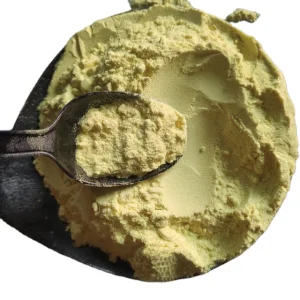
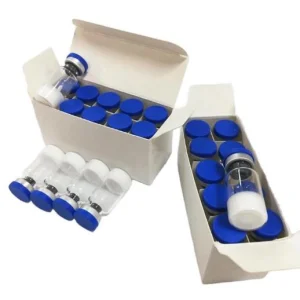
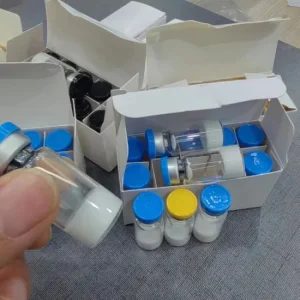
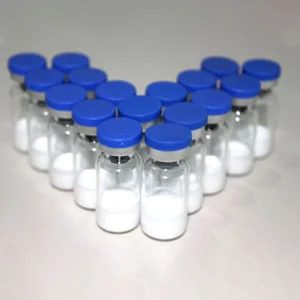
Explore our complete export series. Direct manufacturer inventory manufactured under strict ISO/cGMP conditions, supplied with complete analytical chromatograms and immediate dispatch capability.

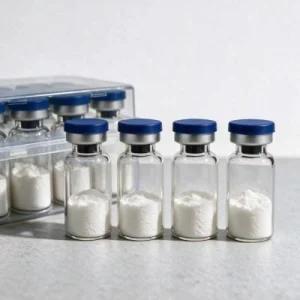
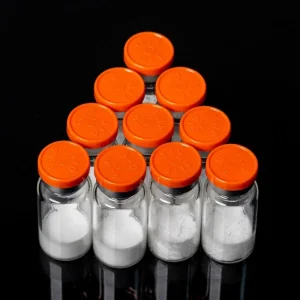
Connect directly with plant process engineers and certified quality directors. Receive comprehensive batch analysis data, technical dossiers, and custom industrial packaging quotes within 24 operational hours.

