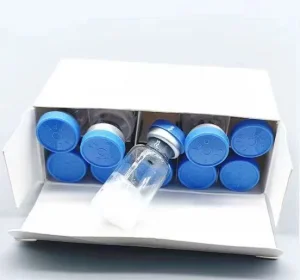
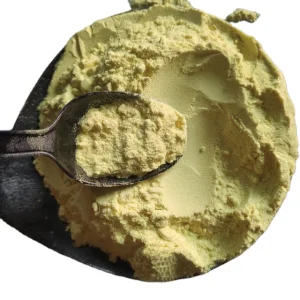
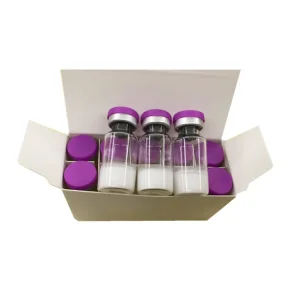
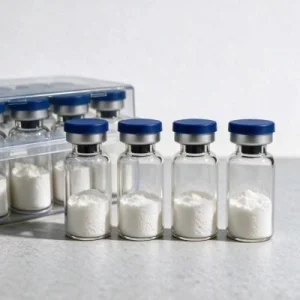
Immediate commercial-scale inventory with verified HPLC, MS, and COA documentation ready for pharmaceutical compounding, research laboratories, and B2B contract manufacturing.
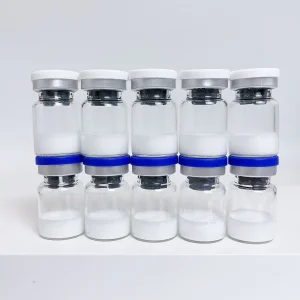
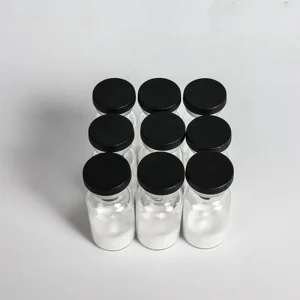
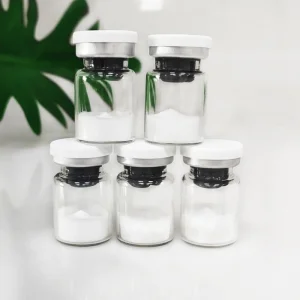
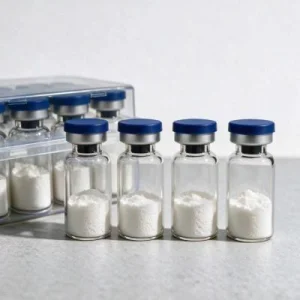
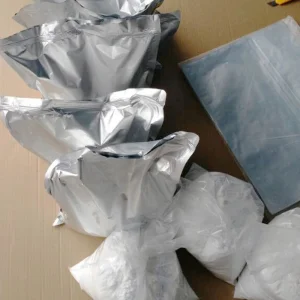
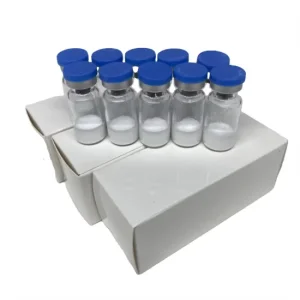
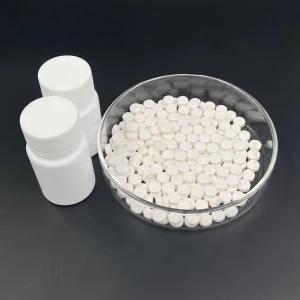
Xylocard (Lidocaine Hydrochloride Monohydrate, CAS 6108-05-0 / 73-78-1) remains one of the world's most indispensable amino-amide active pharmaceutical ingredients (APIs). Discovered in the mid-20th century, its fast onset of action and intermediate duration of anesthesia solidified its clinical dominance across dental procedures, peripheral nerve blocks, transdermal pain therapies, and emergency intravenous antiarrhythmic treatments for ventricular arrhythmias (Class Ib agent). As worldwide surgical volumes escalate and the prevalence of chronic neuropathic conditions climbs, global demand for sterile, injectable-grade Lidocaine Hydrochloride has reached critical inflection points.
Historically, generic local anesthetic synthesis suffered from batch variations driven by traces of toxic precursors, particularly 2,6-dimethylaniline (2,6-DMA) and halogenated intermediates. Under contemporary cGMP mandates governed by the US FDA, EMA, and NMPA, procurement engineers and regulatory auditors no longer settle for standard pharmacopeia baseline compliance. Modern enterprise buyers enforce exhaustive impurity profiling, assessing genotoxic nitrosamines, residual organic solvents (ICH Q3C), elemental impurities (ICH Q3D), and strictly controlled stereochemical stability under thermal and photo stress conditions.
In parallel, China's precision chemical engineering infrastructure has transformed into the primary anchor of the global fine chemical supply chain. By integrating continuous flow microreactor synthesis, automated closed-loop crystallization, and real-time Process Analytical Technology (PAT) using inline FTIR spectroscopy, premier Chinese manufacturers deliver scalable economies without sacrificing analytical fidelity. The convergence of strict environmental regulations and automated multi-ton synthesis suites allows vetted Chinese facilities to supply qualified APIs and biological peptides that surpass USP, EP, and JP monograph thresholds.
Legacy batch reactors often experience temperature spiking during chloroacetyl chloride addition, creating uncontrolled isomeric byproducts. Continuous flow systems ensure micro-second heat dissipation and strict kinetic control.
Injectable preparations of Xylocard require ultra-low bacterial endotoxin counts (< 0.5 EU/mg). Advanced pyrogen-free water-for-injection loops and continuous sterile precipitation crystallization eliminate bioburden.
Targeted monohydrate crystal stability is critical for preventing hydration conversion and caking during maritime transport. Controlled crystallization defines particle size distributions (D50/D90) for swift dissolution.
Evaluating the operational hurdles multinational pharmaceutical buyers, CMOs, and compounding institutions encounter when acquiring specialized synthetic raw materials.
Mid-size buyers frequently experience supply freezes when upstream petroleum and aniline intermediate prices surge, breaking production cycles.
Unvetted traders frequently lack legitimate DMF Type II dossiers, forcing regulatory delays or outright import rejections by health authorities.
Fine chemical imports face strict customs scrutiny, misclassification issues, and border detention under ambiguous customs declaration codes.
High atmospheric humidity and elevated temperature during sea freight degrade labile amine salts, generating unknown oxidation degradants.
Comparative analytical parameters validating pharmaceutical release criteria against USP, EP, and internal ultra-pure manufacturer specifications.
| Analytical Parameter | USP Monograph Standard | EP (Ph. Eur.) Standard | Miaoou Ultra-Pure Specification | Compliance Status |
|---|---|---|---|---|
| Chemical Identification | Conforms by IR & HPLC retention | Conforms by IR & Chloride tests | Triple Confirmation (IR, 1H-NMR, MS) | Surpasses Pharmacopeia |
| Assay (Anhydrous Basis) | 97.5% – 102.5% | 99.0% – 101.0% | 99.5% – 100.5% (HPLC) | Release Grade A |
| 2,6-Dimethylaniline (Impurity A) | NMT 0.01% (100 ppm) | NMT 100 ppm | < 5 ppm (Quantified via GC-MS) | Ultra-Trace Controlled |
| Any Other Unspecified Impurity | NMT 0.10% | NMT 0.10% | ≤ 0.04% | High Purity |
| Total Impurities | NMT 0.5% | NMT 0.5% | ≤ 0.15% | Zero Outliers |
| Water Content (Karl Fischer) | 5.0% – 7.0% (Monohydrate) | 5.0% – 7.0% | 5.3% – 6.2% | Precise Stoichiometry |
| Residue on Ignition / Sulfated Ash | NMT 0.1% | NMT 0.1% | < 0.03% | Clean Burning |
| Bacterial Endotoxins | < 0.58 EU/mg | < 0.50 EU/mg | < 0.10 EU/mg (Injectable Suitable) | Apyrogenic |
Bridging Chinese manufacturing excellence with end-market pharmaceutical compliance across North America, Europe, Latin America, and Southeast Asia.
We eliminate regulatory friction at international borders through verified Delivered Duty Paid (DDP) logistics channels. Our specialized freight forwarding network guarantees frictionless, legal clearance across the USA, UK, Canada, and EU.
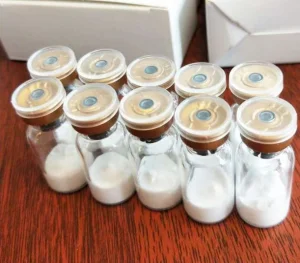
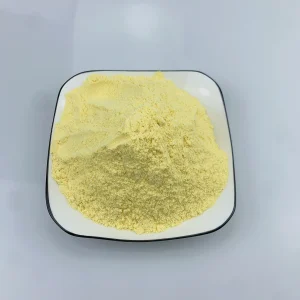
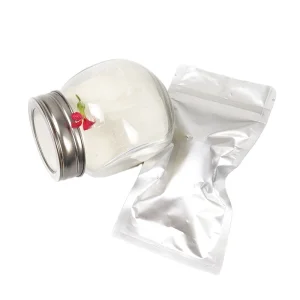
Every batch of raw bulk powder or finished lyophilized vials is paired with authentic, traceable documentation. We provide complete transparency to qualify our manufacturing sites as your designated secondary or primary API source.
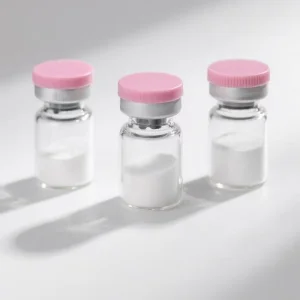
From multi-ton industrial fiber drums to automated cleanroom filling into specialized 2ml, 3ml, 5ml, and 10ml borosilicate glass vials, we tailor fill volumes, crimp closures, and private-label tamper-evident barcoded branding.
Future-proofing pharmaceutical supply chains through artificial intelligence molecular monitoring and enzymatic bio-catalysis.
Industrialization of micro-channel reactors for continuous nucleophilic substitution. Drastically lowers residence time and cuts volatile solvent consumption by 42%.
Embedding fiber-optic NIR and Raman probes directly into crystallization tanks. Machine learning models predict and prevent crystal polymorph deviations in real time.
Developing biocatalytic transamination to synthesize amino-amide cores at ambient temperature, replacing corrosive acyl chlorides and achieving near-zero carbon footprints.
Implementing pervaporation membrane recovery systems designed to recapture >98% of acetone, ethanol, and chlorinated reaction solvents directly back into process cycles.
Immediate, transparent answers addressing common regulatory, operational, and financial inquiries posed by international procurement departments.
Expand your research and commercial product pipelines with batch-tested compounds, backed by verified COA certificates and secure supply chains.