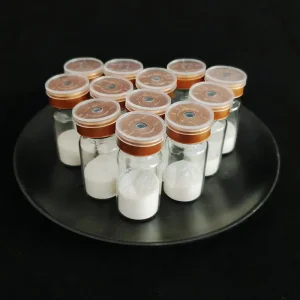
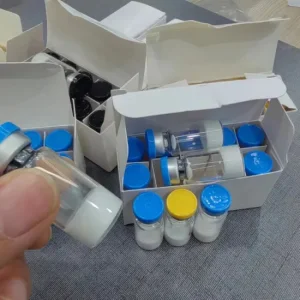
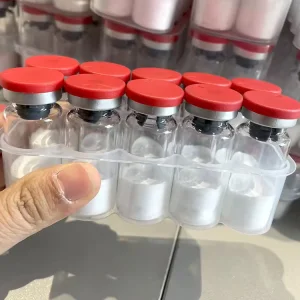
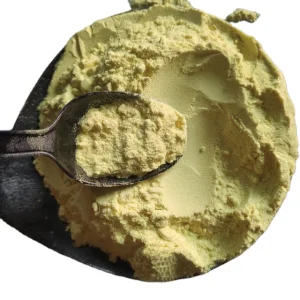
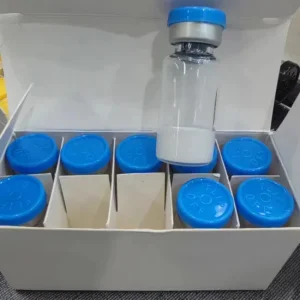
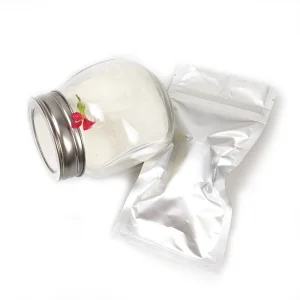
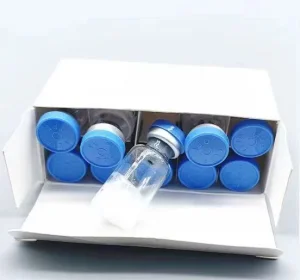
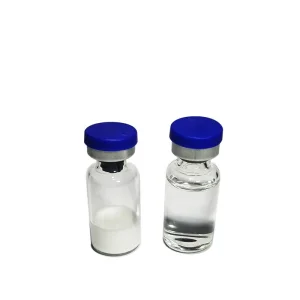
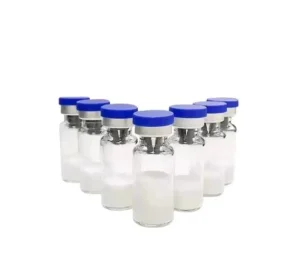
Procure certified pharmaceutical actives, reference standards, and high-purity biochemical building blocks straight from qualified production batches.
Navigating structural shifts in active pharmaceutical ingredients, ester-type local anesthetics, and international bulk trade lanes.
Benzocaine Hydrochloride (Ethyl 4-aminobenzoate hydrochloride, CAS 23239-88-5) remains an indispensable ester-class topical local anesthetic. While widely celebrated for rapid-onset sensory nerve desensitization, its industrial adoption has accelerated beyond conventional over-the-counter (OTC) oral mucosal pain relievers. The surging demand across specialized dermatological formulations, animal anesthesia, veterinary aquaculture sedation, and cross-border topical analgesics has spurred global compound annual growth across the North American, European, and Asia-Pacific healthcare manufacturing hubs.
Unlike standard Benzocaine base, which exhibits restricted aqueous solubility (approx. 1g per 2500mL of water at ambient temperatures), the hydrochloride salt modification introduces a quaternary amine ionic character. This significantly shifts water miscible dynamics, rendering Benzocaine HCl exponentially more reactive and dispersible in hydrophilic vehicle matrixes, injectable dental solutions, liquid washes, and fast-dissolving topical mucilage sprays where solvent stability and batch clear-point maintenance are operational requisites.
Regulatory authorities including the US FDA, EMA, and NMPA demand rigorous analytical trace profiles for aromatic amine derivatives. Global pharmaceutical and medical device contract manufacturing organizations (CDMOs) necessitate zero nitrosamine contamination, tight heavy metal thresholds (<10ppm), and exhaustive validation of process-related impurities such as 4-nitrobenzoic acid and residual free 4-aminobenzoic acid (PABA). Compliance requires validated HPLC/UV and GC-MS profiling alongside every industrial export consignment.
Unlocking upstream raw material integration, high-capacity crystallization synthesis, and verifiable cost efficiency.
Our industrial production clusters exploit direct access to core domestic chemical intermediates: toluene nitration intermediates, 4-nitrobenzoic acid, and sustainable anhydrous ethanol feedstocks. By avoiding reliance on cross-border precursor imports, our production lines eliminate raw material delivery bottlenecks, safeguarding consistent lead times and delivering a 20-35% price resilience margin against volatile Western European synthesis plants.
Operating beyond dated batch pot methods, our facilities harness automated loop hydrogenators and temperature-controlled industrial crystallization vessels. This precise control over supersaturation cooling guarantees razor-sharp crystal morphology (white needle-like to microcrystalline powder), optimizing flowability and preventing clumping during high-speed blending across automated capsule, tablet, or gel manufacturing machines.
Compliance is ingrained in every phase of synthesis. Our modern facilities utilize closed-loop catalytic reductions eliminating iron sludge contamination, coupled with complete solvent recovery systems for ethyl acetate, ethanol, and acidic scrubbing liquors. We operate under zero-compromise environmental accountability protocols, guaranteeing continuity of output without municipal shutdown risks.
Comprehensive physicochemical benchmarks aligned with USP, EP, and BP pharmacopeial standards.
| Analytical Parameter | Pharmacopeial Acceptance Criteria (USP/EP) | Factory Realized Value (Typical Batch) | Methodology / Instrumentation |
|---|---|---|---|
| Chemical Name | Ethyl 4-aminobenzoate monohydrochloride | Conforms to Structure | 1H-NMR, FT-IR Spectroscopy |
| CAS Registry Number | 23239-88-5 | 23239-88-5 Verified | CAS Substance Identity Audit |
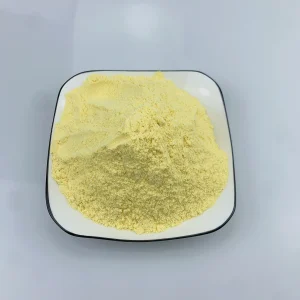
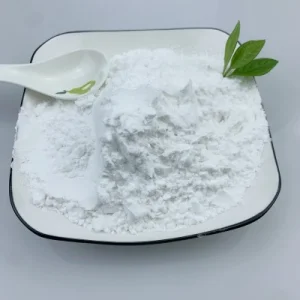
| Appearance | White to almost white crystalline powder | Pure White Microcrystalline | Visual & Optical Microscopy |
| Assay (Titration / HPLC) | 98.5% – 101.5% (Dried Substance) | 99.68% – 99.85% | HPLC-UV (294 nm Detection) |
| Melting Range | 208°C – 212°C (Decomposition) | 209.5°C – 210.8°C | Automated Capillary Melt Station |
| Loss on Drying (LOD) | ≤ 0.5% | 0.18% | Vacuum Drying at 105°C |
| Residue on Ignition | ≤ 0.1% | 0.04% | Sulfated Ashing (800°C) |
| Heavy Metals (Pb, Cd, As, Hg) | ≤ 10 ppm total | < 2 ppm | ICP-MS Inductively Coupled Plasma |
| Individual Related Substances | 4-Aminobenzoic acid ≤ 0.1% | Not Detected (<0.02%) | Reversed-Phase HPLC / MS Confirmation |
From acute oral mucosal analgesia to technical manufacturing compounds and precision aquatic sedation.
Benzocaine Hydrochloride functions via reversible blockade of voltage-gated sodium channels (VGSC) along afferent neuronal membranes. By reducing sodium ion influx, it precludes nerve depolarization, terminating painful signal conduction. Widely integrated into intraoral sprays, viscous dental gels (10% to 20%), endodontic packing mixtures, and pre-injection topical desensitizers targeting sensitive periodontal tissues without systemic toxicity concerns.
Due to its enhanced water dissolution kinetics relative to crude non-salt benzocaine, Benzocaine HCl serves as an industry-standard anesthetizing and sedating agent for intensive fish farming, salmon tagging, and marine veterinary diagnostics. Bath solutions calibrated between 25 to 100 mg/L provide swift, distress-free induction and rapid physiological recovery without inducing prolonged hematological toxicity or post-sedation mortality.
Widely deployed in compounding pharmacies and contract pharmaceutical manufacturing for hemorrhoidal suppositories, burn treatment ointments, throat lozenge actives, and sexual wellness climax-control emulsions. The chemical robustness of the hydrochloride salt minimizes oxidation and discoloration tendencies, sustaining cosmetic elegance throughout commercial retail shelf lives.
Key risk-mitigation vectors for enterprise pharmaceutical purchasers and compound formulators.
Global pharmaceutical corporations increasingly avoid non-traceable open-market traders. Qualified sourcing heads demand certified Drug Master Files (DMF), verified elemental impurity reports (ICH Q3D), residual solvent data (ICH Q3C), and continuous safety data sheets (MSDS) to streamline regulatory clearance with Western regulatory bodies.
Benzocaine HCl can degrade via hydrolysis under uncontrolled atmospheric humidity, forming free acidic species. Tier-1 enterprise buyers now mandate pharmaceutical foil double-layer hermetic liners, desiccant barriers, and rigid fiber drums. Our cold-chain and dry freight channels guarantee the compound preserves its 100% free-flowing nature upon arrival at your discharge port.
Global procurement desks increasingly secure bilateral agreements combining spot availability with long-term contracts. By anchoring your Benzocaine HCl procurement directly with an integrated Chinese producer, you hedge against inflationary regional raw material crunches, regional logistics strikes, and intermediary price markups.
Clear, unvarnished insight into chemistry parameters, compliance, commercial scaling, and safety.
Explore complementary active pharmaceutical raw materials, fine chemicals, and molecular building blocks.