Procure reference-grade peptides, biological APIs, and anabolic research standards engineered under high-precision batch crystallization and lyophilization protocols.
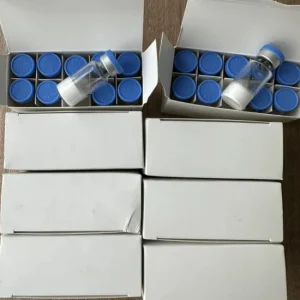
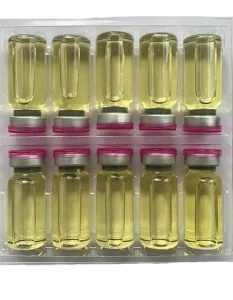
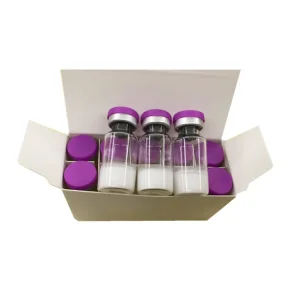
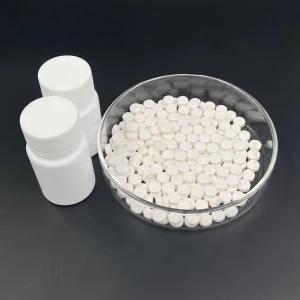
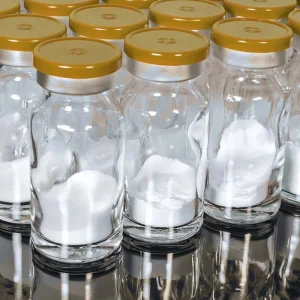
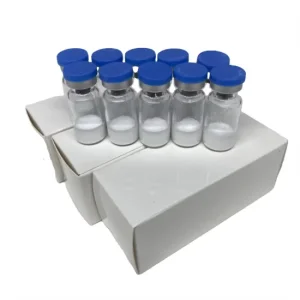
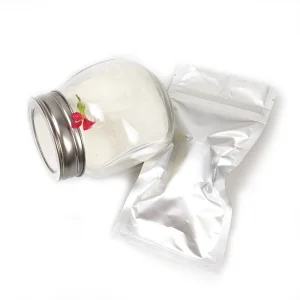
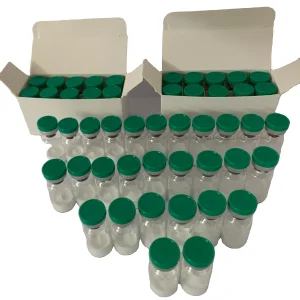
Navigating the supply dynamics, molecular heterogeneity, and regulatory transitions defining bulk active pharmaceutical ingredient (API) procurement across North America, Europe, and Asia-Pacific markets.
The global HCG market is experiencing a profound paradigm shift. Historically reliant on massive human urine collection networks (u-hCG), high-end pharmaceutical procurement is increasingly migrating toward recombinant human chorionic gonadotropin (rhCG) produced via Chinese Hamster Ovary (CHO) cell expression systems. This transition is motivated by stringent viral inactivation mandates, raw material batch reproducibility concerns, and escalating ethical compliance oversight.
Demand for high-potency HCG continues to expand far beyond classic assisted reproductive technologies (ART) and in-vitro fertilization (IVF) protocols. Factory suppliers must meet multi-sector commercial applications requiring diverse vial specifications (2,000 IU, 5,000 IU, 10,000 IU, and bulk crystallites):
Modern B2B pharmaceutical buyers face severe operational hurdles when qualifying offshore peptide and glycoprotein manufacturing facilities. Between 2021 and 2025, regulatory enforcement around peptide-based biological drug substances intensified under updated US FDA 21 CFR Part 211 and EU cGMP Annex 1 directives. Direct factory partnerships must ensure total traceability from Master Cell Banking (MCB) or certified raw urine logistics through terminal aseptic lyophilization.
Understanding the molecular complexity: HCG is a heterodimeric glycoprotein composed of an alpha (α) subunit of 92 amino acids and a beta (β) subunit of 145 amino acids, held together by non-covalent hydrophobic and electrostatic bonds.
Engineered CHO cell lines expressing human CGB and CGA genes are cultivated in single-use perfusion bioreactors using chemically defined, animal-component-free (ACF) media to eliminate exogenous adventitious agents.
Cell harvest clarification followed by primary affinity capture, orthogonal Hydrophobic Interaction Chromatography (HIC), and high-resolution Ion-Exchange Chromatography (IEC) to isolate intact heterodimers from uncoupled subunits.
Validated dual-tier viral inactivation incorporating low pH incubation and dedicated 20-nanometer membrane filtration (Planova 20N or equivalent) achieving documented >12 log10 viral reduction factors (LRV).
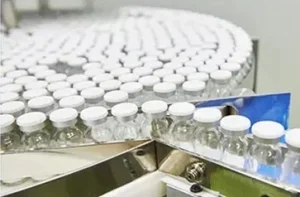
State-of-the-art freeze-drying under Class A laminar airflow. Precise shelf temperature and vacuum ramping preserve tertiary protein conformation and ensure final residual moisture levels strictly below 2.0% (Karl Fischer).
Every industrial lot undergoes in-vivo bio-potency evaluation (rat seminal vesicle weight gain assay) alongside RP-HPLC, SEC-HPLC, LC-MS peptide mapping, and chromogenic endotoxin release testing.
| Analytical Parameter (CQA) | Pharmacopoeial Standard (USP / EP / BP) | Our Factory In-House Release Criteria | Instrumentation / Methodology | Compliance Status |
|---|---|---|---|---|
| In-Vivo Bio-Potency Assay | Not less than (NLT) 4,500 IU/mg | ≥ 5,200 – 6,000 IU/mg | Biological Weight Gain Assay (Immature Rats) | Exceeds EP/USP |
| Heterodimer Integrity (Free Subunits) | Free α/β subunits < 5.0% | Free α/β < 1.5% | Size Exclusion Chromatography (SEC-HPLC) | Ultra-Low Degradation |
| High Molecular Weight Aggregates | NMT 2.0% | < 0.5% (Dimer/Multimer) | SEC-HPLC with Multi-Angle Light Scattering | Aseptic High Stability |
| Bacterial Endotoxin Content | NMT 0.05 EU per IU of HCG | < 0.02 EU per IU of HCG | Kinetic Turbidimetric / Chromogenic LAL | Critical Injectable Safety |
| Sialic Acid Content | NLT 9.0% (m/m) of dry peptide | ≥ 10.5% – 12.0% | Resorcinol Colorimetric / HPLC-FLD | Extended Serum Half-Life |
| Residual Moisture Content | NMT 3.0% (EP Standard) | ≤ 1.8% | Karl Fischer Coulometric Titration | Extended Lyophilized Shelf-Life |
From custom vial lyophilization under ISO 5 cleanroom conditions to active Drug Master File (DMF) declarations, our manufacturing ecosystem empowers downstream distributors, compounders, and pharmaceutical brands.
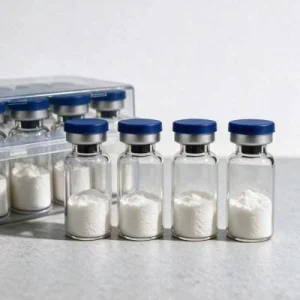
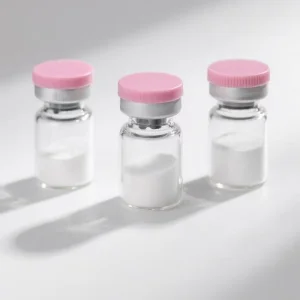
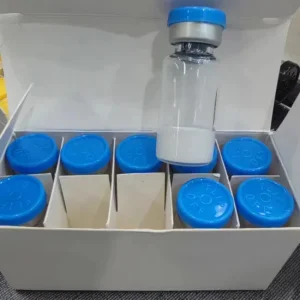
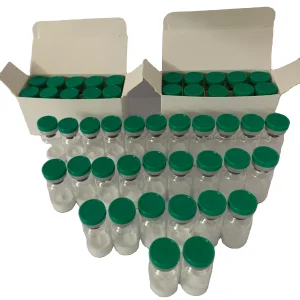
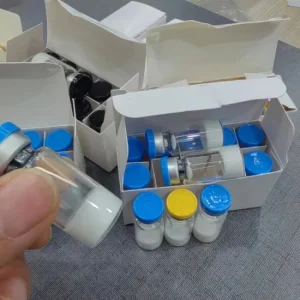
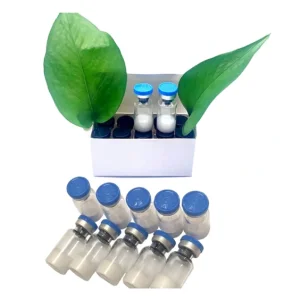
Flexible unit dose manufacturing in sterile glass vials (Type I borosilicate): standard 2,000 IU, 5,000 IU, and 10,000 IU presentations, or custom bulk API gram-scale aliquots with nitrogen backfill sealing.
Comprehensive regulatory filings for fast-tracked importation. We provide Open-Part Drug Master Files (DMF), ASMF submissions, Certificate of Suitability (CEP) coordination, and raw material qualification dossiers.
Glycoproteins require uncompromised thermal discipline. Shipments are transported utilizing qualified vacuum insulated panels (VIP) and active data loggers maintaining real-time 2°C to 8°C or dry ice conditions under USP <1079> compliance.
Complete quality transparency. We accommodate on-site factory quality management system (QMS) audits, virtual video plant verifications, and third-party inspection releases by international testing organizations.
Continuous bioprocessing, computational glycosylation engineering, and non-invasive delivery technologies represent the next frontier in therapeutic gonadotropin production.
Traditional batch fed systems are giving way to automated continuous biomanufacturing. By coupling alternating tangential flow (ATF) filtration with steady-state hollow-fiber cell reactors, production plants achieve 400% higher volumetric productivity while maintaining pristine, steady-state sialylation which drastically reduces batch-to-batch variation.
The elimination of un-glycosylated isoforms is critical for biological potency. Implementing machine-learning feedback loops on bioreactor nutrient feeds (trace manganese, galactose, and ammonia levels) allows dynamic control of terminal sialic acid capping, elevating systemic circulation half-life and eliminating immunogenic non-human carbohydrate motifs.
Advanced co-lyophilized excipient complexes (trehalose-mannitol-polysorbate matrices) are expanding HCG thermal stability windows. This research aims to reduce strict refrigeration dependencies, enabling room-temperature stability for up to 6 months in liquid state, dramatically reducing supply chain spoilage in emerging markets.
Authoritative technical and logistical answers addressed directly by our regulatory affairs and biological chemical manufacturing team.
Urinary HCG is extracted from the urine of pregnant women via industrial adsorption-desorption cascades. While economically scalable, it contains trace urinary protein impurities and variable glycosylation. Recombinant HCG (choriogonadotropin alfa) is produced in genetically engineered mammalian CHO cells under closed cGMP bioreactors, guaranteeing 100% purity, zero batch-dependent viral pathogen risk, and highly consistent specific bio-activity (≥5,000 IU/mg).
HPLC only quantifies chemical peptide purity and chromatographic retention time; it cannot prove quaternary protein biological function. Our factory conducts dual-tier validation: analytical RP-HPLC/SEC-HPLC (verifying intact heterodimer mass and >99% purity) combined with the official pharmacopoeial in-vivo bioassay (measuring the seminal vesicle weight increase in immature male rats against an international WHO reference standard).
Every commercial production batch ships with a full analytical Certificate of Analysis (COA) specifying CAS, appearance, potency (IU/vial or IU/mg), residual moisture, bio-burden, and bacterial endotoxin levels. For regional drug product licensing, we provide Technical Dossier packages including stability study data (ICH Q1A), method validation reports (ICH Q2), and open-part DMF access.
For catalog stock specifications (e.g., standard 5,000 IU vials), pilot trial orders start as low as 100 to 500 vials. For custom contract OEM/ODM formulation, private labeling, or distinct freeze-drying cake formulations (using specific lyoprotectants such as sucrose or mannitol), industrial campaigns typically begin at 5,000 vials per batch.
Lyophilized HCG is inherently more stable than liquid preparations; however, prolonged temperatures above 25°C can accelerate subunit dissociation into inactive α and β monomers. We utilize validated VIP thermal insulated packaging containers equipped with calibrated single-use USB or Bluetooth temperature data loggers that continuously record temperatures throughout international air transit.
Yes. We endorse sample escrow and blind split-sample testing. Clients regularly verify our production lots through certified laboratories (such as Janoshik Analytical, SGS, or Eurofins) for potency, amino acid sequence confirmation, and sterility prior to final invoice reconciliation.
Explore high-purity HCG, natural glycosides, human growth hormones, and specialty myostatin inhibitors direct from our cleanroom packaging facility.
Partner directly with a primary biological API manufacturer. Receive complete eCTD Module 3 technical documentation, batch HPLC-MS/Bioassay chromatograms, and competitive wholesale quotes within 24 hours.

