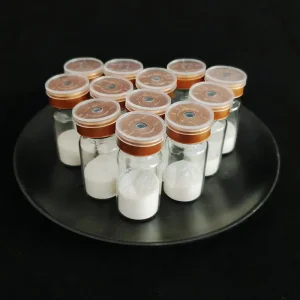
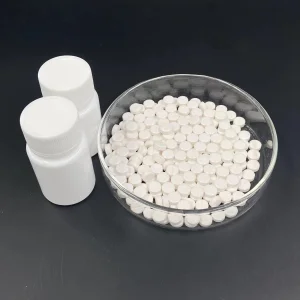
Procure verified active pharmaceutical intermediates, specialty peptides, and pure bulk formulations directly from audited manufacturing lines backed by full HPLC/MS batch documentation.
An authoritative technical evaluation of L-2-amino-4-(methylthio)butanoic acid for pharmaceutical formulators, clinical nutrition manufacturers, and procurement specialists.
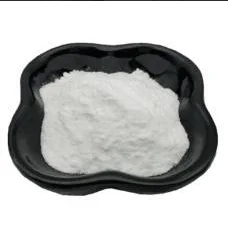
L-Methionine (CAS Registry Number: 63-68-3; Molecular Weight: 149.21 g/mol) is a canonical, sulfur-containing essential amino acid indispensable for human and mammalian physiological homeostasis. Possessing an unbranched thioether aliphatic side chain, L-methionine acts as the foundational initiator amino acid encoded by the AUG codon in eukaryotic protein translation. Beyond general protein structural elongation, L-methionine serves as the biological metabolic precursor to S-Adenosylmethionine (SAMe)—the universal biological methyl donor facilitating cellular DNA methylation, phospholipid biosynthesis, and neurotransmitter regulation. Furthermore, via the transsulfuration pathway, L-methionine provides the essential sulfur backbone required for intracellular synthesis of homocysteine, cystathionine, L-cysteine, and glutathione (GSH), the primary endogenous intracellular antioxidant buffering against systemic oxidative stress.
When sourcing L-Methionine at an industrial level, precision procurement teams strictly differentiate between racemic DL-methionine (predominantly produced via petroleum-derived chemical synthesis for general animal feed) and optical enantiomer L-Methionine (synthesized via advanced microbial bio-fermentation or enzymatic resolution). For pharmaceutical infusions, total parenteral nutrition (TPN), functional clinical nutrition, infant dry blends, and biopharmaceutical upstream mammalian cell culture media, only pure enantiomeric L-Methionine with an enantiomeric excess (ee) exceeding 99.8% meets international regulatory safety benchmarks.
| Analytical Parameter | USP / EP Pharmacopoeia Standard | FCC Food Grade Standard | Factory In-House Batch Release (HPLC/MS) |
|---|---|---|---|
| Assay (Dry Basis) | 98.5% – 101.5% | 98.5% – 101.5% | 99.6% – 100.2% |
| Specific Optical Rotation [α]D20 | +22.4° to +24.7° (c=5, 6M HCl) | +21.0° to +25.0° (c=2, 6M HCl) | +23.8° to +24.2° |
| Individual Related Impurities | ≤ 0.20% (NMT) | Not explicitly codified | < 0.05% |
| Total Related Substances | ≤ 0.50% (NMT) | ≤ 1.0% | < 0.15% |
| Heavy Metals (as Pb / ICP-MS) | ≤ 10 ppm / USP <232> limits | ≤ 5 ppm | < 1.0 ppm |
| Loss on Drying (105°C, 3 hrs) | ≤ 0.20% | ≤ 0.50% | < 0.10% |
| Residue on Ignition / Sulfated Ash | ≤ 0.10% | ≤ 0.10% | < 0.04% |
| Bacterial Endotoxins (LAL) | ≤ 0.05 EU/mg (Injectable Grade) | N/A | < 0.01 EU/mg (Depyrogenated) |
Exploring how cutting-edge synthetic biology and enzymatic engineering have displaced traditional hazardous chemical synthesis routes to establish cleaner, higher-purity output.
Utilizing metabolically engineered Corynebacterium glutamicum or non-pathogenic Escherichia coli strains fed on non-GMO glucose and renewable corn steep liquor. Yields enantiomerically pure 100% L-isomer directly without toxic petroleum precursors or optical resolution catalysts.
Traditional multi-stage synthesis utilizing acrolein, methyl mercaptan, and hydrogen cyanide yielding DL-methionine intermediate, followed by aminoacylase biocatalysis. While historically common, it leaves trace stereoisomeric residues requiring intense downstream membrane scrubbing.
Our direct partner plants employ automated continuous anti-solvent crystallization combined with granular activated carbon filtration. This removes UV-absorbing organic impurities, yielding high-bulk-density crystalline needles with superior powder dissolution kinetics.
The historical reliance on chemical synthesis for methionine produced severe ecological footprints due to raw material inputs involving volatile methyl mercaptan and hazardous prussic acid derivatives. Furthermore, chemical synthesis irrevocably yields an equimolar racemic cocktail of D- and L-methionine isomers. While ruminant and livestock feeds can metabolize D-methionine through endogenous renal D-amino acid oxidase transamination, human biology lacks rapid systemic capacity to invert D-methionine at rates adequate for critical metabolic synthesis. Administering DL mixtures in human intravenous therapy poses significant nephrological and metabolic stress. Modern Chinese mega-factories have heavily transitioned capital expenditure toward aerobic microbial bio-fermentation, eliminating harsh organosulfur solvents and providing complete assurance against hazardous chemical carry-overs.
How deep vertical industrial clustering, upstream raw material dominance, and high-efficiency biomanufacturing empower Chinese factories to deliver unmatched value to global buyers.
Access to abundant domestic carbohydrate substrates (hydrolyzed corn starch, liquid glucose) and green ammonia pipelines stabilizes synthesis yield, completely immunizing factory capacity from global petrochemical supply shocks.
Massive 50,000L to 150,000L continuous fermenter batteries lower operational energy and unit production cost, passing on a 25–40% price advantage over European and North American legacy producers.
Direct production agility allows factory floor particle sizing: micronized powder (200-300 mesh) for fast dissolution, instantized agglomerated granules for compression, and crystalline forms for infusion dissolution.
Clustered production hubs in Hebei, Shandong, and Jiangsu connect seamlessly to major deep-water freight ports (Tianjin, Qingdao, Shanghai), ensuring rapid marine container dispatch and customs clearance handling.
In the contemporary biochemical landscape, China represents over 65% of global amino acid biomanufacturing output. The transformation from low-value bulk chemicals to highly refined, cGMP-compliant active pharmaceutical ingredients has been fueled by massive capital deployment in process analytical technology (PAT), high-throughput online HPLC monitors, and strict automated clean-in-place (CIP) bio-reactors. For global purchasing organizations, partnering directly with primary Chinese manufacturers eliminates multiple intermediary markups while providing raw material traceability from single-seed-lot inoculation to final palletized multi-ply barrier packaging.
Navigating global regulatory frameworks with comprehensive documentation packages: Drug Master Files (DMF), CEP certifications, and full cross-border audit support.
Full support for FDA foreign facility registrations, cGMP compliance under 21 CFR Parts 111 (Dietary Supplements) and 211 (Finished Pharmaceuticals), backed by Type II active Drug Master File (DMF) availability for quick customer Abbreviated New Drug Application (ANDA) cross-referencing.
Active Certificate of Suitability to the European Pharmacopoeia (CEP) granted by EDQM. Complete REACH compliance dossier for EU import operations, ensuring zero customs bottlenecks or supply disruption within EU member chemical regulatory agencies.
Certified ISO 9001 (Quality Management), ISO 22000 / FSSC 22000 (Food Safety), FAMI-QS for clinical premixes, along with stringent MUI Halal and OU Kosher certifications satisfying global ethical and religious procurement criteria.
Every commercial consignment exported from our manufacturing partner units undergoes an uncompromising multi-stage Analytical Quality Control check prior to customs release:
From life-saving clinical medical infusions to cutting-edge monoclonal antibody upstream bioprocessing, explore where premium-grade L-Methionine serves as a critical raw component.
Pharmaceutical grade L-methionine is a core building block in intravenous crystalline amino acid formulations. Administered to post-surgical, critically ill, or gastrointestinal-compromised patients unable to absorb enteral nourishment, requiring near-zero endotoxin thresholds and highest clarity.
Widely utilized as the active precursor in commercial chemical and biological synthesis of S-Adenosyl-L-Methionine (SAMe). SAMe is broadly formulated in high-end prescription pharmaceuticals and premium supplements targeting hepatic cirrhosis, intrahepatic cholestasis, and depressive disorders.
In modern biomanufacturing producing therapeutic monoclonal antibodies (mAbs) and recombinant proteins, Chinese Hamster Ovary (CHO) cells require strictly titrated L-methionine feed concentrations to prevent polypeptide misfolding, prevent premature translational arrest, and govern correct protein glycosylation.
Employed in specialty sports nutrition blends targeting metabolic detox and nitrogen retention. Formulators combine L-methionine with choline and inositol to produce lipotropic fat-burning formulations and specialized muscle recovery powders for professional athletes.
Essential in soy-protein-based and elemental hypoallergenic amino acid infant formulas where native methionine levels in plant proteins fall beneath human infant nutritional reference requirements established by Codex Alimentarius.
While standard terrestrial poultry typically uses synthetic DL-methionine, juvenile marine species (shrimp, salmon fry) show markedly accelerated intestinal absorption and higher biological conversion efficiency when fed bio-fermented L-Methionine, cutting nitrogen pollution in open waterways.
Strategic analysis of decarbonization, CRISPR strain design, and green continuous manufacturing altering the global chemical supply matrix.
The primary historical bottleneck in microbial fermentation of sulfur-containing amino acids was systemic metabolic feedback inhibition: elevated intracellular concentrations of L-methionine cause severe down-regulation of homoserine O-transsuccinylase (encoded by the metA gene) and cystathionine gamma-synthase. Contemporary factory laboratories are leveraging CRISPR-Cas9 genome editing to deregulate these enzymatic bottlenecks in C. glutamicum. By replacing native promoters with strong constitutive synthetic promoters and knocking out competitive pathways that convert aspartate into threonine and lysine, bioconversion yields from glucose feedstocks have surged by over 38% in pilot bioreactors, drastically reducing operating cost.
In response to stringent European Scope 3 supply chain carbon auditing, vanguard Chinese manufacturers have pioneered syngas and industrial off-gas fermentation. Using autotrophic gas-fermenting microbes capable of assimilating industrial carbon dioxide (CO₂) and carbon monoxide (CO) into organic acetate, plants can synthesize amino acid precursors from captured industrial emissions. This transition positions bio-fermented L-methionine as a pivotal ingredient for ESG-conscious brand owners targeting zero-carbon consumer nutrition products.
Legacy crystallization often generated wide particle size distributions, leading to powder caking during ocean transport and irregular bulk density in customer automated dosing hoppers. Today's manufacturing installations utilize Focused Beam Reflectance Measurement (FBRM) and ParticleTrack laser imaging inside supersaturated crystallization tanks. Machine learning feedback algorithms modulate cooling rates and anti-solvent pumping speeds in real time, achieving highly consistent crystal habit, optimized bulk density (0.55–0.70 g/mL), and flawless flowability without adding chemical anti-caking excipients.
Clear, unvarnished answers to the questions enterprise procurement managers, regulatory directors, and quality control chemists ask before approving vendor master agreements.
Explore our complete export spectrum including lyophilized specialty peptides, raw anabolic reference compounds, and custom fine chemicals manufactured in audited cGMP facilities.
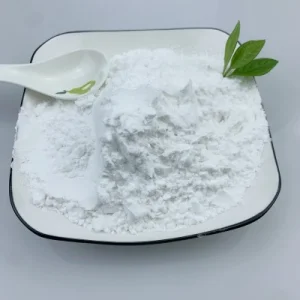
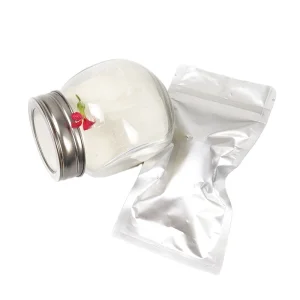
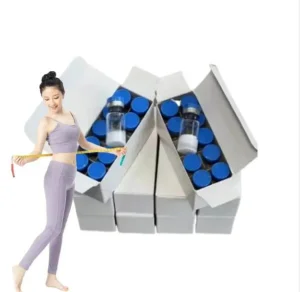
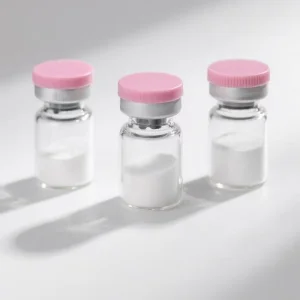
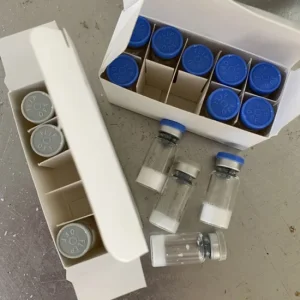
Contact our engineering sales desk for current product specifications, factory batch COAs, tiered commercial container pricing, and sample qualification protocols. Direct factory dispatch delivered with comprehensive regulatory audit files.