
1 / 4
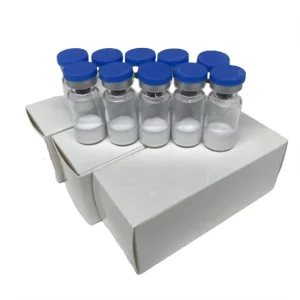
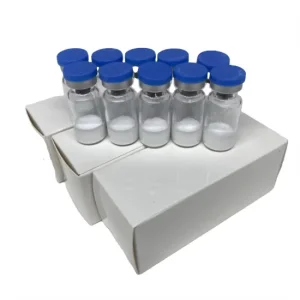
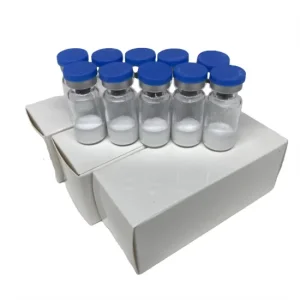
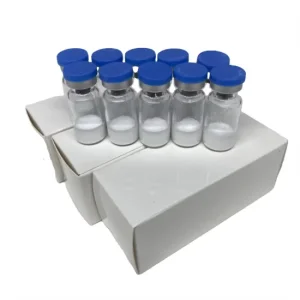
Adipotide (a.k.a. FTPP or proapototic peptide) kills fat cells, plain and simple, by targeting the blood supply of those cells. Interestingly, adipotide is able to discern the blood vessels in fat cells from the blood vessels throughout the rest of the body and is therefore highly selective. Research in monkeys shows that adipotide not only causes weight loss, it actually boosts insulin sensitivity and offsets some of the effects of type 2 diabetes.
THIS PRODUCT IS INTENDED AS A RESEARCH CHEMICAL ONLY. This designation allows the use of research chemicals strictly for in vitro testing and laboratory experimentation only. All product information available on this website is for educational purposes only. Bodily introduction of any kind into humans or animals is strictly forbidden by law. This product should only be handled by licensed, qualified professionals. This product is not a drug, food, or cosmetic and may not be misbranded, misused or mislabeled as a drug, food or cosmetic.
Adipotide was developed and placed into phase I clinical trials in 2011 to investigate its ability to kill fat cells. Tests in rhesus monkeys revealed that adipotide causes targeted apoptosis in the blood vessels of white adipose tissue (fat). Without a blood supply, the fat cells simply died. The net result was rapid weight loss, rapid decrease in body mass index (BMI), and improved insulin resistance characteristics. Interestingly, treatment with adipotide and subsequent fat loss not only improved weight, but actually contributed to changes in eating behavior. Monkeys who lost weight with adipotide also showed a decrease in food consumption[1].
The targeting of adipotide to the blood vessels serving fat cells may be mediated by a protein receptor called prohibitin. Prohibitin is a membrane protein that may only be found in blood vessels serving white fat and in cancer cells. It has been demonstrated that adipotide associates with this protein[2]. If it turns out that prohibitin is found only in fat vasculature and cancer tissue, then adipotide testing will be responsible for identifying a fat-specific target that can be used not just for therapeutic purposes, but for diagnostic purposes as well.
Prohibitin-targeting peptide 1 (also known as prohibitin-TP01 and TP01; trade name Adipotide) is a peptidomimetic with sequence CKGGRAKDC-GG-D(KLAKLAK)2. It is an experimental proapoptotic drug that has been shown to cause rapid weight loss in mice and rhesus monkeys. Its mechanism of action is to target specific blood vessels supplying adipose tissue with blood, cause the vessels to shrink and the fat cells fed by those vessels to undergo apoptosis. TP01 is designed to bind to two receptors, ANXA2 and prohibitin, that are specific to blood vessels supplying white adipose tissue.