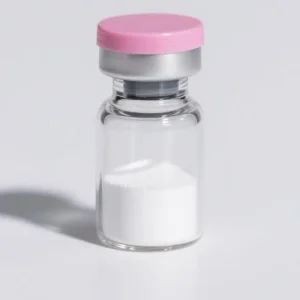
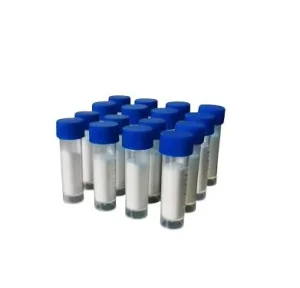
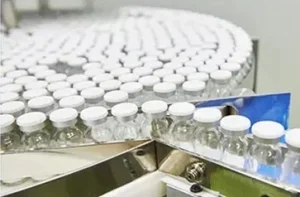
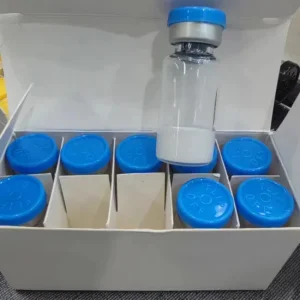
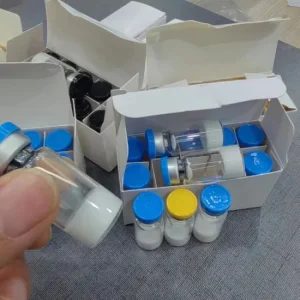
High-purity veterinary and human-grade API formulations manufactured under standardized synthesis pipelines with full batch traceability and documentation assurance.
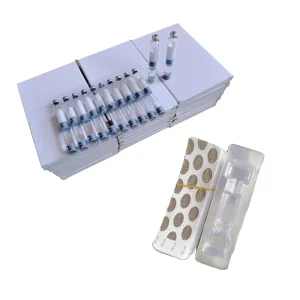
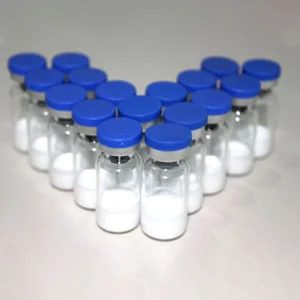
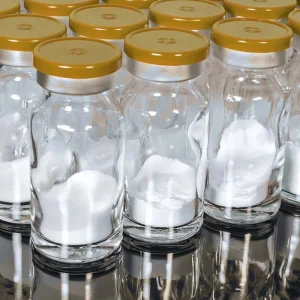
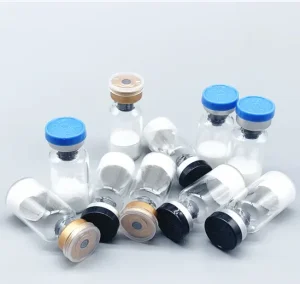
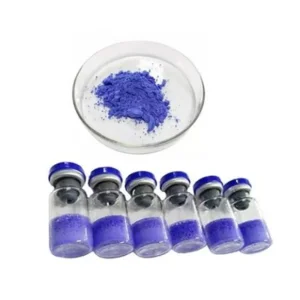
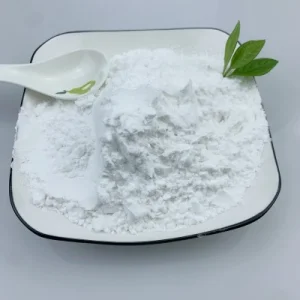
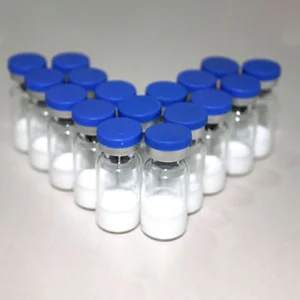
Lincomycin hydrochloride (CAS Registry No. 859-18-7; monohydrate CAS 7179-49-4; molecular formula C18H34N2O6S·HCl) is a narrow-spectrum lincosamide antibiotic produced via deep aerobic submerged fermentation of Streptomyces lincolnensis.
Lincomycin exerts potent bacteriostatic action by binding reversibly to the 50S ribosomal subunit of susceptible microorganisms, directly overlapping with the peptidyl transferase center. This steric hindrance prevents peptide bond formation and inhibits translocation of peptidyl-tRNA, arresting nascent polypeptide chain elongation. In veterinary medicine, it demonstrates high bactericidal activity against Gram-positive pathogens and wall-less anaerobes, notably Brachyspira hyodysenteriae, Clostridium perfringens, and Mycoplasma hyopneumoniae.
The core chemical scaffold comprises an amino acid derivative linked to a sulfur-containing methylthiolincosaminide moiety. In industrial biosynthesis, a critical challenge is the co-production of Lincomycin B (4'-depropyl-4'-ethyllincomycin), which possesses distinct pharmacokinetics and lower efficacy. Qualified factories deploy targeted amino acid feeding regimens and precision crystalline solvent fractionation, strictly controlling Lincomycin B impurities under 2.0% in full compliance with European Pharmacopoeia (EP) and United States Pharmacopeia (USP) monographs.
Lincomycin serves as the indispensable raw material for the production of clindamycin (7-chloro-7-deoxylincomycin). The regioselective chlorination and inversion of stereochemistry at the C-7 position via thionyl chloride requires crystalline Lincomycin HCl of extreme crystalline homogeneity, minimal residual moisture (<0.5% in anhydrous grades), and strict exclusion of metallic catalyst inhibitors, providing high chemical yield for secondary active pharmaceutical ingredient (API) synthesis.
Modern Chinese manufacturing hubs lead global output through digitalized bioprocess monitoring, automated nutrient replenishment, multi-stage ceramic membrane separation, and continuous zero-waste ecological treatment.
State-of-the-art 120m³ multi-stage stainless steel fermentation reactors are continuously managed via Process Analytical Technology (PAT). Real-time dissolved oxygen (DO), oxidation-reduction potential (ORP), exhaust gas mass spectrometry (O2/CO2 off-gas profiling), and automated micro-feed metering of glucose and ammonium sulfate stabilize metabolic flux, suppressing unwanted secondary byproducts while raising fermentation titers beyond 22,000 µg/mL.
Rather than relying on antiquated chemical flocculation, Factory 4.0 architectures employ tubular ceramic microfiltration combined with polymeric cross-flow nanofiltration for ultra-rapid broth clarification. Macroporous adsorption resin columns selectively isolate the free lincomycin base, followed by controlled hydrochloric acid acidification, solvent crystallizer temperature ramping, and continuous closed-system vacuum rake drying to eliminate microbial and particulate contaminants.
Vertically integrated facilities feature captive co-generation power plants, MVR (Mechanical Vapor Recompression) solvent distillation units with 99.4% butanol/acetone recovery, and anaerobic wastewater treatment yielding biomethane. This self-contained operational paradigm shields global procurement directors from geopolitical raw-material shocks, local regulatory shutdowns, and energy cost volatility, ensuring uninterrupted annual supply contracts.
Quality Control and Assurance directors require transparent compliance data. Our production batches comply strictly with the parameters defined across the USP, EP, BP, and ChP standards.
| Analytical Parameter | United States Pharmacopeia (USP) | European Pharmacopoeia (EP) | Chinese Pharmacopoeia (ChP) | Standard Commercial Batch Release |
|---|---|---|---|---|
| Physical Appearance | White or practically white crystalline powder | White or almost white, crystalline powder | White crystalline or granular powder | Conforms (EP/USP Grade) |
| Identification (IR / HPLC) | Conforms to Lincomycin HCl reference | Infrared absorption spectrophotometry | Retention time & IR match standard | Positive Match (100%) |
| HPLC Assay (Dried Basis) | Not less than 82.5% (as C18H34N2O6S) | 96.0% to 102.0% (anhydrous substance) | Not less than 82.5% (lincomycin base) | 86.5% - 88.0% (Equiv. ≥99.2%) |
| Related Substances (Lincomycin B) | NMT 5.0% (Specified limits) | NMT 2.0% (Impurity A / B) | NMT 2.5% (High performance liquid chromatography) | <1.5% (Ultra-pure cut) |
| Water Content (Karl Fischer) | 3.0% to 6.0% (Monohydrate) | 3.0% to 6.0% | 3.0% to 6.0% | 4.2% - 4.8% (Stable Hydrate) |
| Specific Optical Rotation | +135° to +150° (anhydrous, H2O) | +135° to +150° (anhydrous substance) | +137° to +148° | +142.5° to +145.0° |
| Bacterial Endotoxins | <0.50 EU/mg (where sterile grade) | <0.50 IU/mg (parenteral grade) | <0.50 EU/mg (injectable grade) | <0.25 EU/mg (Parenteral ready) |
| Heavy Metals / Residue on Ignition | Residue on ignition NMT 0.5% | Sulfated ash NMT 0.1% | Sulfated ash NMT 0.5% | <0.1% Sulfated Ash |
Lincomycin hydrochloride serves as a fundamental pillar across multiple healthcare verticals, from precision intensive livestock biosecurity to advanced human topical preparations.
In swine farming, Lincomycin HCl oral soluble powder and premixes (4.4%, 11%, 44% concentrates) represent the front-line defense against swine dysentery triggered by Brachyspira hyodysenteriae. Due to outstanding tissue bioavailability, high lung tissue accumulation, and stability through gastrointestinal transit, it effectively cures proliferative enteropathy (ileitis) caused by Lawsonia intracellularis and controls porcine enzootic pneumonia caused by Mycoplasma hyopneumoniae.
One of the most commercially significant veterinary formulation achievements is the fixed-ratio combination of Lincomycin HCl with Spectinomycin HCl (typically in a 1:2 or 1:1 active ratio). This co-formulation yields a powerful synergistic antibacterial spectrum, covering both Gram-positive organisms, difficult anaerobic flora, and Gram-negative pathogens like Escherichia coli and Salmonella spp., serving as an industry standard for poultry chronic respiratory disease (CRD) and airsacculitis.
In human pharmaceuticals, high-purity Lincomycin hydrochloride is processed into sterile parenterals for patients with penicillin allergies suffering from severe osteomyelitis, joint infections, septicemia, and respiratory infections caused by penicillinase-producing staphylococci. Additionally, micronized Lincomycin powder is incorporated into topical solutions and hydrogels for the targeted eradication of Cutibacterium acnes in dermatological anti-acne preparations.
Expanding market share requires meticulous regulatory dossiers. We equip B2B commercial partners with validated cGMP data, EDQM CEPs, US FDA DMF filings, and complete localized technical support.
Our API production sites maintain active Type II Drug Master Files (DMF) with the US FDA and hold Certificates of Suitability (CEP) issued by EDQM. Procurement clients receive open CTD (Common Technical Document) modules 3.2.S, detailed stability study packages conducted under ICH Q1A(R2) conditions (accelerated at 40°C/75% RH, long-term at 25°C/60% RH), and fully validated analytical procedures conforming to ICH Q2(R1).
Quality assurance teams from multinational pharmaceutical conglomerates are welcomed for on-site facility verifications, QA walkthroughs, cleanroom air handling system (HVAC) reviews, and computerized data integrity checks (21 CFR Part 11 compliant SCADA and LIMS systems). Remote secure cloud audits with live multi-angle high-resolution streaming ensure uninhibited vendor qualification even amid global logistics constraints.
Operating specialized regulatory affairs desks in Europe, North America, Southeast Asia, and Latin America, we assist local marketing authorization holders (MAH) with regional veterinary import permits, veterinary medicine registration certificates, product variation filings, and customs clearance declarations accompanied by authentic, verifiable, batch-specific Certificates of Analysis (COA).
Continuous innovation drives competitive edge. Our manufacturing blueprint integrates genetic strain optimization, continuous crystallization technology, and enzyme-directed biocatalysis.
Collaborating with leading microbiological genetics institutes, our strain engineering roadmap applies CRISPR/Cas9 genomic editing to silence the lmbC and auxiliary non-ribosomal peptide synthetase genes in Streptomyces lincolnensis. By selectively knocking out pathways competing for S-adenosylmethionine (SAM) and tyrosine precursors, downstream production of Lincomycin B is repressed at the genetic level, reducing downstream chromatography purification overhead.
Transitioning from traditional batch crystallizers to continuous slug-flow crystallizers with online focused beam reflectance measurement (FBRM) provides precise, real-time particle chord length monitoring. This ensures tight control over crystal habit, achieving a homogenous particle size distribution (PSD: D50 between 45–65 µm) that eliminates the need for energetic dry jet milling, mitigates crystalline lattice defects, and substantially improves powder flowability in automated capsule filling lines.
Future facility upgrades are centered around circular carbon biomanufacturing. By retrofitting fermentation reactors with photo-bioreactors that recycle off-gas CO2 and using enzymatic transaminases to directly replace harsh organic amine catalysts, our next-generation manufacturing platforms target a 40% reduction in chemical oxygen demand (COD) discharge and a verified carbon-neutral production cycle by 2030.
Key considerations for pharmaceutical sourcing directors, formulating scientists, and QA procurement officers evaluating bulk Lincomycin hydrochloride manufacturers.
Lincomycin hydrochloride commercialized for pharmaceutical dosage forms is routinely provided as the crystalline monohydrate (CAS 7179-49-4). The water of crystallization (3.0% to 6.0% by Karl Fischer titration) is structurally bound within the monoclinic unit cell. The anhydrous form is significantly more hygroscopic and is generally generated through rigorous desiccation for specific moisture-sensitive semi-synthetic operations, such as clindamycin synthesis.
Lincomycin B is tightly regulated because its therapeutic potency is approximately 25% lower than pure Lincomycin A. We achieve levels well below the 2.0% EP limit through a dual strategy: optimized metabolic precursors (proline and tyrosine feed rates) during fermentation that prevent 4'-depropylation, coupled with selective multi-solvent recrystallization profiles that exploit solubility variations in the mother liquor.
Yes. We offer sterile API grades produced via aseptic crystallization and validated membrane microfiltration. For formulations requiring rapid dissolution or uniform suspension—such as intramammary mastitis syringes or ready-to-use injectable suspensions—we offer closed-loop fluid-energy jet micronization with customizable PSD targets (e.g., D90 <15 µm or D50 between 5–10 µm) with complete endotoxin guarantees (<0.5 EU/mg).
Every shipment is accompanied by a full release documentation package: a comprehensive Certificate of Analysis (COA) displaying analytical results against EP/USP specs, HPLC chromatograms, IR overlay curves, Batch Production Record summary, Non-BSE/TSE declaration, Residual Solvents Certificate (ICH Q3C compliant), and Material Safety Data Sheet (MSDS). Open CTD documentation is available for approved licensing partners.
Standard industrial packing consists of 25 kg fiber drums with double food/pharma-grade polyethylene internal liners, sealed with nitrogen purging and desiccant packs to protect against moisture vapor absorption. The API possesses exceptional stability: long-term ICH stability shows no significant degradation over 48 months when maintained sealed at controlled room temperature (15°C to 25°C) away from light and excessive relative humidity.
Our annualized manufacturing volume exceeds 3,000 metric tons. For standard commercial batches, minimum order quantity starts at 100 kg, with pilot sample lots of 500g–5kg available for formulation trials and analytical validation. Standard export dispatch lead times range between 7 to 14 business days from PO confirmation, supported by bonded warehouses adjacent to major international export ports.
Precision-tested laboratory raw powders, growth hormone signaling factors, and pharmaceutical building blocks supported by analytical chromatographic data.