Verified HPLC/MS data, certified analytical specifications, and cold-chain stability designed for university and commercial biotechnology research programs across Brussels, Flanders, and Wallonia.
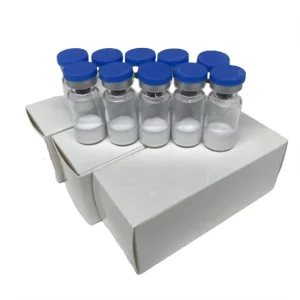
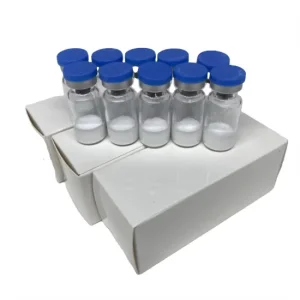
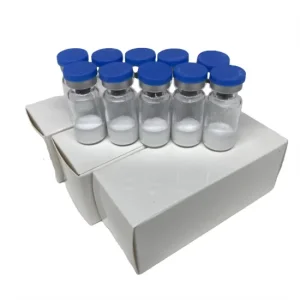
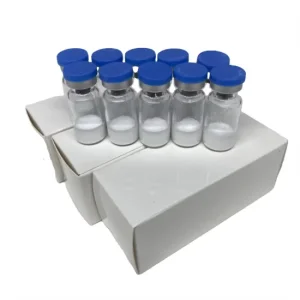
Why Europe's Leading Pharmaceutical Logistics Gateway Demands Higher Synthesis Purity and Uninterrupted Raw Material Supply Chains.
The academic cluster encompassing Ghent University, KU Leuven, and VIB creates an unprecedented requirement for research-grade therapeutic peptides. From novel signaling vectors to preclinical pharmacokinetics, Belgian researchers require rapid turnarounds without compromising sequence fidelity or salt-form profiles.
Biopark Charleroi and the Liège Health Hub host high-density contract research organizations (CROs) specialized in cell therapy and advanced metabolic formulations. Accessing bulk synthesis of pure agonists (GLP-1, GIP, Glucagon receptors) forms the baseline of their continuous in-vitro profiling workflows.
Brussels Airport stands as the premier hub for cold-chain pharmaceutical transit in Europe. Our logistical pipelines interface with dedicated CEIV Pharma-certified handlers, guaranteeing that lyophilized peptides maintain uncompromised biological activity throughout international air transfer.
Combining Solid-Phase Peptide Synthesis (SPPS) automation with vast upstream chemical integration to de-risk European research supply constraints.
Our manufacturing plant leverages digital multi-channel synthesizers capable of handling sequences up to 50+ amino acids. By utilizing advanced coupling agents and microwave-assisted synthesis, racemization is mitigated, providing unprecedented crude purity prior to preparative chromatography.
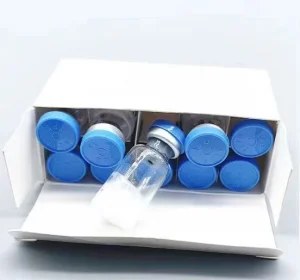
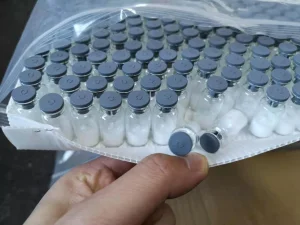
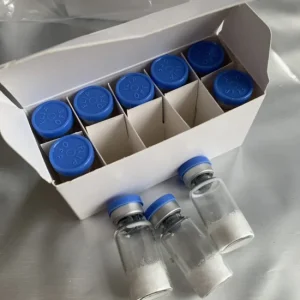
Preparative HPLC columns paired with specialized DAC (Dynamic Axial Compression) systems isolate main peptide peaks with surgical precision. Our lyophilization protocols ensure uniform cake formation, moisture contents under 5%, and minimal residual TFA or acetic acid levels.
China produces over 70% of the world's upstream protected amino acids (Fmoc/Boc compounds). Producing directly at the core of this supply ecosystem ensures consistent lot-to-lot kinetics, insulated pricing dynamics, and continuous stock availability for high-volume Belgian importers.
How Belgian R&D teams deploy high-grade peptide compounds across clinical modeling, structural biology, and metabolic health platforms.
Investigation into GLP-1, dual GIP/GLP-1 (Tirzepatide), and triple receptor agonists (Retatrutide) dominates metabolic syndrome research in Europe. Consistent stereochemical integrity and sequence fidelity ensure that in-vitro binding affinity data remains statistically robust across repeat assays.
Targeting the GHRH receptor axis via CJC-1295 (DAC/no DAC) and ghrelin analogs (Hexarelin) enables critical exploration of neuroendocrine regulation, nitrogen retention, and cellular rejuvenation mechanisms in animal study models.
Belgian pharmaceutical technology departments explore novel nasal sprays, pulmonary formulations, and sustained-release microparticles. High purity and defined salt forms (Acetate vs. Trifluoroacetate) are essential to prevent aggregation during advanced formulation.
Our long-term manufacturing roadmap incorporates Green Peptide Synthesis (GPS), substituting toxic reagents like DMF and DCM with greener solvents (e.g., 2-MeTHF) and enzyme-catalyzed ligation strategies. As European green deal directives influence procurement protocols, our factory is engineered to meet Belgium's stringent carbon and chemical safety targets by 2028.
Fully compliant with EU research regulations. Batch-labeled with individual verification data packets.


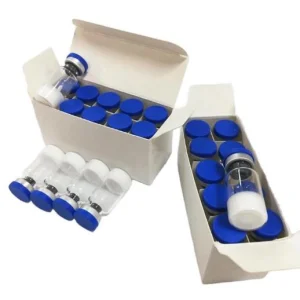
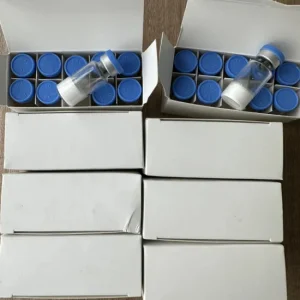
Ensuring frictionless transit through Belgian Customs (General Administration of Customs and Excises) and full adherence to FAMHP standards.
Accurate HS code assignment (e.g., Chapter 2937 for hormonal peptides or Chapter 3002 for modified proteins) ensures zero misdeclarations at European customs checkpoints, facilitating swift clearance without unexpected duty holds or inspection delays.
Every shipment is accompanied by clear, legally binding Research Use Only declarations, strictly delineating these products from in-vivo human medical preparations, thereby remaining aligned with the Belgian Federal Agency for Medicines and Health Products (FAMHP) requirements.
A Certificate of Analysis (COA) isn't just a signed sheet. Our export packages include raw chromatograms from reversed-phase HPLC, mass spec traces showing precise isotopic envelopes, residual solvent scans, and net peptide content calculations.
Specific insights addressing delivery timelines, cold-chain assurance, regulatory classification, and bulk manufacturing capabilities.
Standard express shipments to Belgium (Ghent, Antwerp, Brussels, Liège) typically transit within 3 to 6 business days. Samples and production runs are dispatched via established cold-chain express networks with priority routing through direct European air links.
Lyophilized peptides show stability at ambient temperatures for short durations, but to prevent degradative cleavage, we package shipments with insulated cold-pack containers or temperature-monitoring loggers upon institutional request to ensure complete integrity.
Yes. While most peptides are initially synthesized as trifluoroacetate (TFA) salts, our facility routinely performs ion exchange to deliver acetate or hydrochloride salt forms, avoiding cytotoxicity artifacts during delicate in-vitro cellular assays.
No. All products displayed are strictly manufactured and distributed for in-vitro research, laboratory experimentation, and prospective preclinical development. They are not intended for direct clinical, diagnostic, or therapeutic administration in humans or animals.
Connect with our technical synthesis desk. Receive rapid quotation responses, batch-specific HPLC/MS chromatograms, and direct bulk pricing structures within 24 hours.
Send Inquiry Now
