Batch-tested metabolic compounds and synthetic agonists manufactured under ISO 9001 and cGMP-aligned synthesis protocols, engineered to meet Saudi Food and Drug Authority (SFDA) research compliance guidelines.
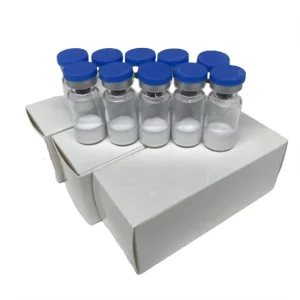
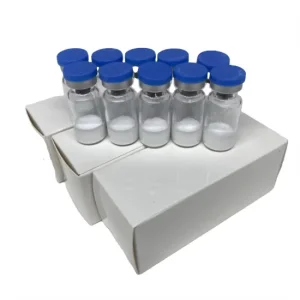
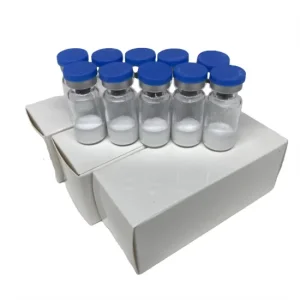
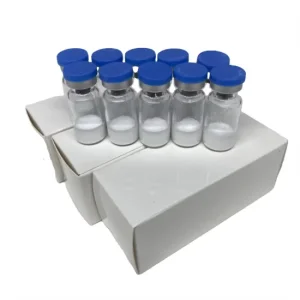
The Kingdom of Saudi Arabia is experiencing an unprecedented biotech Renaissance driven by Vision 2030 and the landmark National Biotechnology Strategy. With life sciences designated as a fundamental driver of non-oil economic diversification, Saudi Arabia is aggressively expanding its domestic pharmaceutical infrastructure, academic research hubs, and healthcare R&D ecosystems.
In cities from Riyadh and Jeddah to NEOM and the Eastern Province, institutional demand for high-integrity synthetic peptides has multiplied exponentially. A critical driver is the epidemiological reality of the Arabian Gulf: type 2 diabetes, metabolic syndrome, non-alcoholic fatty liver disease (NAFLD), and cardiometabolic disorders represent primary public health challenges. Consequently, academic institutions such as King Abdullah University of Science and Technology (KAUST), King Saud University, and premier clinical hubs like King Faisal Specialist Hospital & Research Centre (KFSH&RC) require uninterrupted access to ultra-pure therapeutic peptide precursors and research-grade incretin mimetics (GLP-1, GIP, and triple agonists).
However, the Gulf's severe ambient thermal conditions (frequently surpassing 45°C) pose catastrophic risks to peptide quaternary and tertiary conformations if cold chains falter. Saudi procurement leaders are demanding end-to-end supply chain traceability, lyophilization stability, verifiable third-party analytical documentation (HPLC-MS), and strict compliance with the Saudi Food and Drug Authority (SFDA) standards.
The National Biotechnology Strategy aims to position Saudi Arabia as the undisputed biotech leader in the Middle East and North Africa (MENA) region by 2030, and a global hub by 2040:
How international pharmaceutical procurement is shifting from commoditized small peptides toward multi-target agonism, high-capacity hybrid synthesis, and sustainable green manufacturing.
The paradigm of metabolic peptide therapeutics has leaped beyond single GLP-1 receptor agonists into dual (GLP-1/GIP such as Tirzepatide) and triple agonists (GLP-1/GIP/Glucagon such as Retatrutide). This creates immense synthetic complexity, requiring 39 to 43 amino acid chains with precisely located lipid side chains (e.g., C20 fatty diacid moieties) that challenge conventional synthesis facilities.
Procurement teams across Europe, North America, and the GCC no longer accept simple optical density tests. Every batch requires complete identity verification via High-Resolution Orbitrap Mass Spectrometry (HRMS), sequence confirmation, net peptide content quantification (avoiding salt-weight deception), residual Trifluoroacetic Acid (TFA) control, and USP/EP microbiological endotoxin screening.
Middle East shipments transit regional customs points where tarmac temperatures can reach 55°C. Without validated vacuum-crimped borosilicate vials, pharmaceutical-grade butyl stoppers, phase-change cold packs (PCM), and real-time Bluetooth/cellular temperature logging, peptide aggregates and deamidation render shipments clinically non-viable.
As the global biopharmaceutical industry diversifies its manufacturing footprint, China’s peptide synthesis infrastructure has evolved from rudimentary chemical shops into cutting-edge Factory 4.0 smart bio-manufacturing platforms. Operating at the confluence of continuous automated solid-phase synthesis (SPPS), liquid-phase condensation (LPPS), and enzymatic ligation, our facilities provide global buyers with unparalleled purity, reproducibility, and volume stability.
Before release to Saudi or GCC consignees, our ISO 17025-certified quality laboratory executes an exhaustive QC sequence:
Connecting specialized factory peptide synthesis to the practical demands of Saudi medical researchers, biotech enterprises, and healthcare innovators.
Academic institutes and university medical faculties in Riyadh, Dammam, and Jeddah require verified reference-standard Semaglutide, Tirzepatide, and multi-receptor peptides to conduct preclinical trials investigating insulin sensitivity, pancreatic beta-cell restoration, lipid homeostasis, and neuroprotective downstream signaling in metabolic pathways.
The GCC’s thriving premium aesthetics and dermatology sector utilizes bioactive peptide precursors—such as copper peptides (GHK-Cu), palmitoyl pentapeptides, and signal modulators—for contract manufacturing of medical-grade dermatological serums, post-laser skin repair treatments, and specialized anti-photoaging topicals adapted to the arid Saudi climate.
With Saudi Arabia’s deep cultural and economic investment in thoroughbred Arabian horse racing, endurance competitions, and camel breeding, veterinary veterinary research institutions demand research peptides like TB-500, BPC-157, and Hexarelin to explore soft-tissue ligament repair, joint cartilage regeneration, and muscular recovery mechanisms.
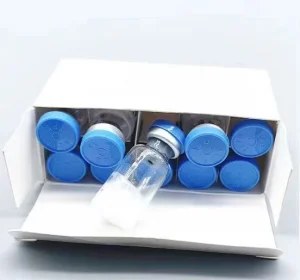
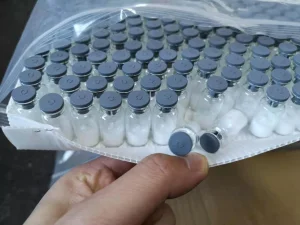
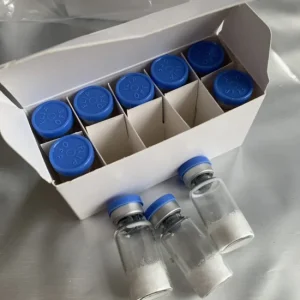
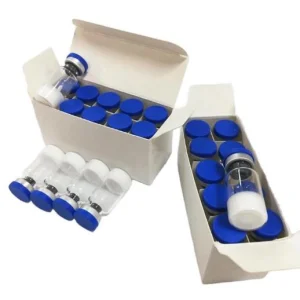
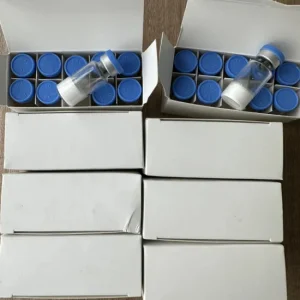
Each batch is synthesized in certified cleanrooms, lyophilized with optimal cryoprotectants, and packaged in tamper-evident vials ready for direct laboratory release or secondary manufacturing.


Authoritative answers covering SFDA importation, cold-chain temperature monitoring across the GCC, peptide salt exchange, analytical net content vs gross weight, and custom OEM synthesis.
Every production batch destined for the Saudi market is accompanied by a comprehensive Analytical Dossier. This includes a batch-specific Certificate of Analysis (COA) explicitly displaying raw material traceability, Reverse-Phase High-Performance Liquid Chromatography (RP-HPLC) chromatograms with integrated peak purity percentages, Electrospray Ionization Mass Spectrometry (ESI-MS) spectra matching theoretical molecular weights, and quantitative determination of residual solvents, moisture content (Karl Fischer titration), and bacterial endotoxin levels. Additional export declarations, proforma invoices with correct HS Codes, and Material Safety Data Sheets (MSDS) are provided to ensure friction-free clearance through Saudi Customs and SFDA clearance portals.
Transporting lyophilized peptides through Riyadh (RUH), Jeddah (JED), or Dammam (DMM) air transit points requires advanced thermal preservation engineering. Our export division utilizes reinforced vacuum-insulated panels (VIP), phase-change refrigerant materials (PCM) calibrated to sustain continuous -20°C or 2°C to 8°C thermal envelopes for up to 120 hours, and single-use USB or Bluetooth temperature data loggers. Each shipment can be inspected upon receipt to verify that zero thermal excursions occurred between our synthesis cleanrooms and your laboratory storage.
A common point of confusion for biopharma procurement officers is the variance between gross powder mass and actual bioactive peptide molecules. Freshly synthesized and lyophilized peptides naturally contain counter-ions (typically Trifluoroacetate or Acetate salts) and bound hydration water, meaning that a 10mg vial of peptide powder might contain 7.5mg to 8.5mg of pure peptide target (75%–85% net peptide content). Miaoou clearly certifies both the chromatographic purity (>99% AUC) and the Net Peptide Content determined via elemental nitrogen combustion (Dumas analysis) or quantitative amino acid analysis (AAA), allowing accurate molar dosing in demanding laboratory experiments.
Yes. While trifluoroacetate is the standard cleavage counter-ion in solid-phase peptide synthesis (SPPS), residual TFA ions can exhibit cytotoxic effects in sensitive cellular assays and in vivo metabolic trials. Upon specification, our preparative chromatography division performs multi-stage ion exchange to substitute TFA with biocompatible Acetate (AcOH) or Hydrochloride (HCl) salts, driving residual TFA levels below 0.1% or to undetectable levels per ICH Q3C guidelines.
We support academic institutes, contract research organizations (CROs), and distributor brands across Saudi Arabia and the broader MENA region with flexible, scalable synthesis. Our capacities range from milligram-scale custom peptide library synthesis (for target validation and epitope screening) to multi-kilogram cGMP-aligned manufacturing campaigns. OEM capabilities include custom lyophilization vials (2ml, 5ml, 10ml), nitrogen gas purging, personalized capping and labeling, and formulation compounding under strict cleanroom conditions.
Catalog compounds currently held in inventory (such as Semaglutide, Tirzepatide, Retatrutide, and CJC-1295) are packaged and dispatched with cold packs within 24 to 48 hours following proforma validation. Direct air-express couriers typically arrive at Saudi industrial and academic consignee addresses within 4 to 6 business days. For de novo custom peptide syntheses, sequence complexity and length dictate lead time, which normally spans 2 to 3 weeks including full analytical release testing.
Partner with an established peptide synthesis factory equipped to satisfy the highest international standards of analytical purity, regulatory transparency, and cold-chain resilience. Contact our international business division to receive an immediate catalog, technical data dossiers, and volume wholesale quotations.

