1 / 4
Gonadorelin (GnRH) is a ten-amino acid peptide and a potent agonist of gonadotropin-releasing hormone. Its main function is to stimulate the synthesis and release of luteinizing hormone (LH) and follicle-stimulating hormone (FSH). In human medicine, it finds application in treating infertility, menstrual cycle irregularities, and hypogonadism. Additionally, it serves as a valuable diagnostic tool for assessing pituitary function.
Stimulates the precise synthesis and release of LH and FSH.
Utilized in addressing infertility, irregular menstrual cycles, and hypogonadism.
Serves as a reliable tool to comprehensively assess pituitary functionality.
Exciting ongoing research has uncovered promising potential uses for gonadorelin in the treatment of breast and prostate cancer, as well as in addressing Alzheimer’s disease. These findings open up new possibilities for the therapeutic application of gonadorelin in diverse medical contexts.
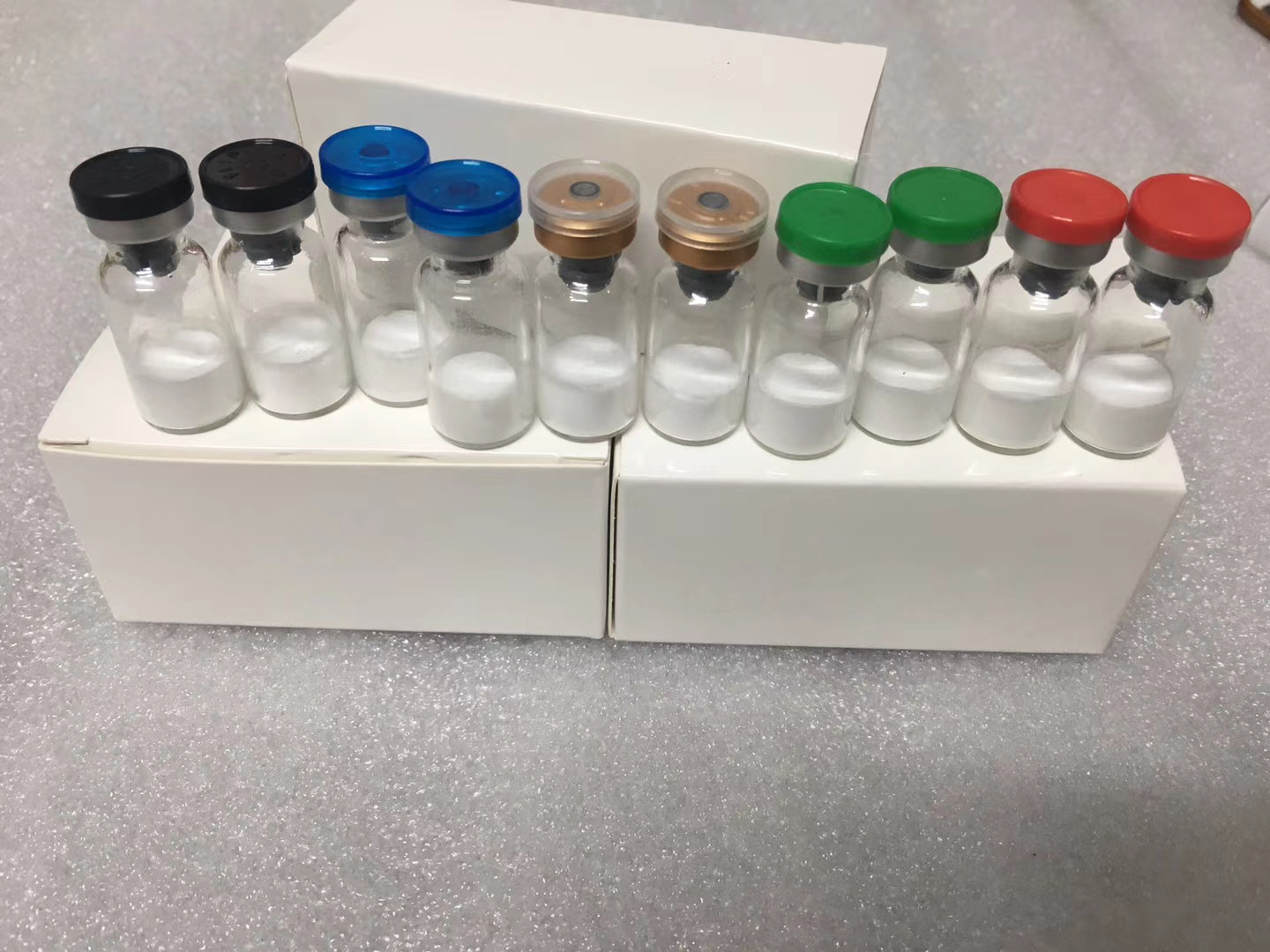
Gonadorelin is a peptide composed of ten amino acids and acts as a direct agonist of gonadotropin-releasing hormone (GnRH).
Its primary mechanism is triggering the synthesis and secretion of luteinizing hormone (LH) and follicle-stimulating hormone (FSH) from the anterior pituitary gland.
It is clinically applied in human medicine to treat infertility, manage irregular menstrual cycles, address hypogonadism, and evaluate pituitary performance.
Gonadorelin serves as a diagnostic agent to evaluate the functional capacity and responsiveness of the pituitary gland regarding gonadotropin release.
Emerging studies indicate potential therapeutic properties of gonadorelin in oncological treatments for breast and prostate cancer, as well as neuroprotective potential in Alzheimer's disease.