1 / 1
| Density | 1.3±0.1 g/cm³ |
|---|---|
| Boiling Point | 831.0±65.0 °C at 760 mmHg |
| Molecular Formula | C₁₄H₂₄N₆O₄ |
| Molecular Weight | 340.378 |
| Flash Point | 456.4±34.3 °C |
| Accurate Quality | 340.185913 |
| PSA | 176.22000 |
| LogP | -2.24 |
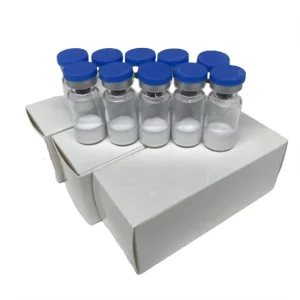
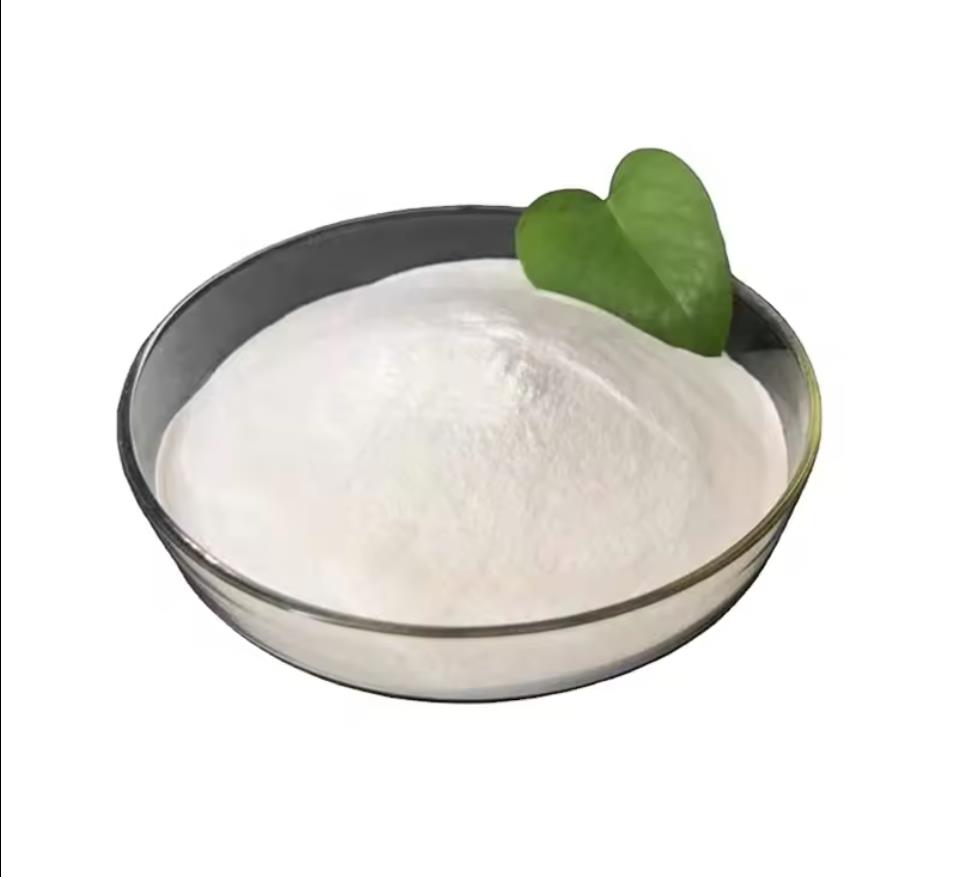
| Appearance | White Powder |
| Vapor Pressure | 0.0±3.2 mmHg at 25°C |
| Refractive Index | 1.583 |
| Storage Conditions | 2-8°C |
Neutralizes free radicals and shields against environmental stressors.
Encourages collagen and elastin synthesis to enhance skin firmness.
Aids in microvascular renewal and tissue regeneration for faster healing.
Copper peptides, also known as copper tripeptides, are a group of small protein fragments that consist of the element copper bound to three amino acids. These compounds have gained attention for their potential skincare benefits and their role in promoting wound healing.
Copper peptides are believed to possess antioxidant properties, which can help protect the skin from damage caused by free radicals and environmental stressors. Additionally, they are thought to stimulate collagen and elastin production, which are essential for maintaining skin elasticity and firmness. This has led to their use in various anti-aging skincare products, where they are touted for their ability to reduce the appearance of fine lines and wrinkles.
In the context of wound healing, copper peptides have been studied for their ability to promote tissue regeneration and repair. They are thought to aid in the formation of new blood vessels and the removal of damaged tissue, potentially accelerating the healing process.
Furthermore, copper peptides have been investigated for their potential anti-inflammatory and antimicrobial properties, which could further contribute to their usefulness in skincare and wound care applications.
In summary, copper peptides are a group of compounds with potential benefits for skincare and wound healing. Their antioxidant, collagen-stimulating, and tissue-regenerating properties make them a subject of interest in the fields of dermatology and regenerative medicine. Ongoing research aims to elucidate their full range of effects and applications.