1 / 1

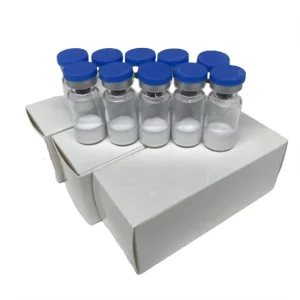
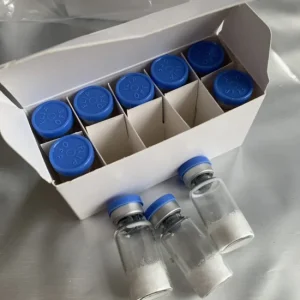
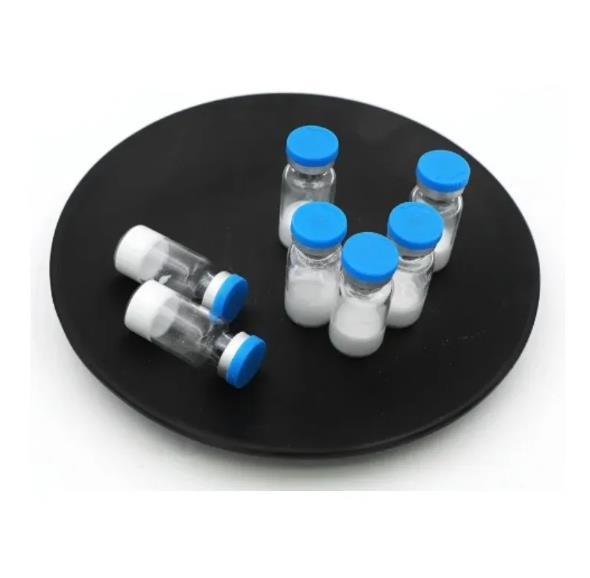
Weight loss peptides are bioactive peptides that have been widely studied and applied in the field of weight management. They are typically short-chain peptide segments produced by the breakdown of proteins, and they have been found to regulate metabolism, promote fat breakdown, and suppress appetite.
Weight loss peptides can exert their effects through various pathways, including the regulation of appetite control centers, promotion of fat oxidation, and increased energy expenditure. Some studies have suggested that weight loss peptides can help reduce body weight, fat content, and waist circumference, while also improving lipid and glucose metabolism.
Currently, weight loss peptides have been incorporated into some weight management products and have garnered significant attention in scientific research. However, more research and clinical validation are needed to fully understand the safety and long-term effects of weight loss peptides. When using weight loss peptide products, it is advisable to follow the advice of a doctor or a qualified professional, and to combine their use with a healthy diet and moderate exercise to achieve healthy weight management goals.
| Property | Description |
|---|---|
| Type | Bioactive peptide |
| Source | Protein breakdown |
| Function | Regulate metabolism, promote fat breakdown, suppress appetite |
| Mechanism of Action | Regulation of appetite control centers, promotion of fat oxidation, increased energy expenditure |
| Applications | Weight management products, scientific research |
| Safety | Requires further research and clinical validation |
| Recommendations | Use under the guidance of a healthcare professional, combine with healthy diet and exercise |