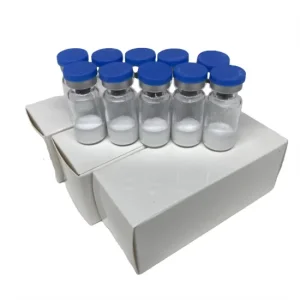
Immediate batch dispatch with analytical Certificates of Analysis (COA), HPLC chromatograms, and strict mass balance confirmation.
Understanding the synthesis profiles, critical crystalline states, and regulatory verification necessary to qualify bulk Lignocaine manufacturers.
Lignocaine (2-(diethylamino)-N-(2,6-dimethylphenyl)acetamide, CAS 137-58-6) and its hydrochloride salt (CAS 73-78-9) demand rigorous catalytic pathways. Leading manufacturers utilize high-conversion 2,6-dimethylaniline acylation with chloroacetyl chloride, followed by high-yield diethylamine amination. Every intermediate undergoes solvent extraction to eliminate trace 2,6-dimethylaniline—a critical mutagenic impurity tracked under strict ICH M7 guidance.
The bioavailability, solubility kinetics, and bulk density of Lignocaine are dictated by particle size engineering. Factories deploy controlled anti-solvent crystallization paired with closed-loop fluid energy jet milling. Standardized particle size distribution (PSD d90 < 20μm or customized mesh size 80-120 mesh) ensures rapid dissolving parameters for injectables and uniform dispersion for dermal patch and topical gel emulsions.
For parenterally administered compounds, bacterial endotoxins are controlled strictly below 0.5 EU/mg. State-of-the-art facilities run depyrogenation cycles and sub-micron multi-stage membrane filtration in Class C cleanrooms. Residual solvent tracking (ICH Q3C) via Headspace Gas Chromatography (GC-HS) confirms limits for ethanol, acetone, toluene, and dichloromethane remain well below standard limits.
| Analytical Parameter | Lignocaine Base (CAS 137-58-6) | Lignocaine Hydrochloride (CAS 73-78-9) | Validation Method |
|---|---|---|---|
| Chemical Formula | C14H22N2O (MW: 234.34 g/mol) | C14H22N2O·HCl·H2O (MW: 288.81 g/mol) | Theoretical Molecular Mass |
| Assay Purity (Dry Basis) | 99.2% – 101.0% | 99.0% – 101.0% | HPLC / Potentiometric Titration |
| Solubility Profile | Insoluble in water; soluble in lipids/ethanol | Freely soluble in water (1:0.7); soluble in alcohol | USP / Ph. Eur. Dissolution Profiling |
| Melting Range | 66°C to 69°C | 74°C to 79°C | Capillary Differential Scanning Calorimetry (DSC) |
| Heavy Metals / Residue | < 10 ppm / Ignition Residue < 0.1% | < 5 ppm / Sulphated Ash < 0.1% | ICP-MS (Inductively Coupled Plasma) |
Leveraging clustered chemical parks, deep raw material access, and automated chemical scale to deliver stability to global buyers.
Chinese fine-chemical manufacturing clusters integrate primary aromatic synthesis directly with downstream amidation plants. By sourcing upstream precursor aniline and chloroacetyl chloride locally within shared chemical industrial parks, Chinese facilities eliminate trans-regional shipping vulnerabilities, guaranteeing unbroken raw material continuity even during global shipping squeezes.
Modern Chinese contract manufacturing organizations (CMOs) have transitioned from manual batch reactors to continuous flow micro-reactors for high-risk amination reactions. Continuous processing minimizes thermal accumulation, lowers byproduct creation (such as chlorinated dimer impurities), optimizes mass transfer, and locks in standard deviations below 0.05% between consecutive production runs.
Through massive economies of scale and on-site closed-loop solvent recovery units, Chinese production plants decrease solvent waste overhead by over 40%. Buyers benefit from elastic minimum order quantities (MOQ)—scaling seamlessly from single multi-kilogram drums for formulation R&D up to full metric-ton ISO container consignments under competitive tiered pricing.
How Tier-1 manufacturers remove customs friction and regulatory hurdles through extensive compliance documentation.
Cross-border procurement teams require seamless dossier interoperability. Verified Chinese facilities maintain active Drug Master Files (DMF) lodged with the US FDA, CEP certificates from the EDQM, and full compendial alignment covering USP, Ph. Eur., BP, and JP monographs. Stability studies are run under real-time and accelerated ICH Q1A(R2) conditions (Zone II, Zone IVa, Zone IVb).
cGMP facilities follow rigorous data integrity policies adhering to 21 CFR Part 11 across all chromatographic stations. Procurement teams can audit factories through live remote video linkups or hire accredited third-party inspection firms (e.g., SGS, Eurofins). Full access to annual product reviews, out-of-specification (OOS) trend reports, and deviation logs ensures transparent vendor qualification.
Industrial importing demands deep experience navigating customs declarations, HS-code alignments (HS 292429), dangerous goods handling certificates where applicable, and chemical safety documentation. With localized bonded warehouse facilities in North America and Europe, experienced exporters offer Delivered Duty Paid (DDP) channels that eliminate domestic import hold-ups.
Bridging raw active powder synthesis to final downstream formulations across surgical, transdermal, and veterinary markets.
For intra-cardiac antiarrhythmic protocols (Class Ib) and spinal/epidural nerve blocking agents, raw Lignocaine HCl must show no bacterial pyrogens and low heavy metal counts. Dissolution rates into sterile water for injection must be fast and crystal-clear with negligible particulate count under USP <788> laser obscuration sensors.
For transdermal lidocaine patches (typically 4% to 5% concentration) and cosmetic numbing creams used in dermatological micro-needling or laser treatments, Lignocaine Free Base is favored for its lipid solubility. Manufacturers must supply uniform non-caking crystals with consistent surface energy to prevent phase separation within oil-in-water emulsions.
Veterinary pharmaceuticals utilize high-tonnage Lignocaine formulations for ruminant local infiltration, equine lameness diagnostics, and field surgery. Bulk buyers look for cost-effective packaging such as 25kg multi-layer polyethylene drums with tamper-evident, nitrogen-flushed seal bags to ensure multi-year shelf life in challenging climates.
Environmental mandates, process analytical technology (PAT), and the transition toward lower carbon footprints in API synthesis.
Global decarbonization and environmental standards are reshaping synthetic pathways. Advanced factories are substituting traditional hazardous chlorinated solvents with bio-derived polar aprotic solvents (such as 2-MeTHF or Cyrene). This cuts hazardous industrial waste (E-Factor) while securing lower process risks and avoiding chlorinated VOC discharges.
The modern production floor uses real-time Process Analytical Technology (PAT), including in-situ Fourier-Transform Infrared (FTIR) probes and Focused Beam Reflectance Measurement (FBRM). These continuously monitor crystal growth and precursor consumption inside the reaction vessels. This prevents over-reaction and ensures consistent, ultra-high crystallization purity batch after batch.
Multinational pharmaceutical procurers increasingly use "China-Plus-One" or distributed manufacturing architectures. Leading Chinese groups are establishing secondary analytical testing, regional repacking, and bonded stockpiles in Europe and Southeast Asia. This hybrid model preserves low unit manufacturing costs while shielding buyers from global freight snarls.
Key technical criteria for qualifying bulk Lignocaine manufacturers, verification standards, and logistics policies.
Lignocaine Free Base (CAS 137-58-6) is non-ionized, highly lipophilic, and insoluble in water, making it the primary choice for topical creams, cutaneous ointments, and adhesive transdermal patches. Lignocaine Hydrochloride (CAS 73-78-9) is an ionized crystalline salt that is freely water-soluble, designed specifically for aqueous parenterals, local nerve block solutions, and ophthalmology solutions.
Every commercial batch is accompanied by an authenticated Certificate of Analysis (COA) containing exact batch numbers, analytical assay percentages, melting range confirmation, and individual related impurity breakdowns. High-Performance Liquid Chromatography (HPLC) chromatograms, Headspace Gas Chromatography (GC-HS) for residual solvents, and Mass Spectrometry (MS) spectra are provided upon formal request.
Yes. Facilities run specialized fluid-bed jet milling lines capable of micronizing raw crystals to tailored particle size specifications (such as D90 < 20μm, D50 < 8μm) or standard coarse crystal ranges (60 to 100 mesh). Laser diffraction particle analysis curves (Malvern Mastersizer) accompany each micronized order to ensure uniform dispersion parameters.
Processes are designed under strict ICH M7 risk assessment protocols. By maintaining excess alkylation reagent and rigorous wash cycles, residual 2,6-dimethylaniline is reduced below validated detection thresholds. Synthetic steps are fully mapped to ensure nitrosating agents do not contact secondary/tertiary amines, guaranteeing NDMA/NDEA levels remain undetectable.
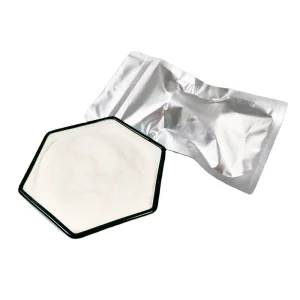
Bulk shipments come in UN-approved 25kg fiber drums with double food/pharma-grade inner polyethylene bags, heat-sealed with nitrogen purging to block moisture absorption and oxidation. For air shipments or sensitive regional freight, desiccated aluminum foil barrier bags are available. Each drum features tamper-evident barcodes linking directly to production batch records.
Evaluation sample quantities (100g to 1kg) for laboratory characterization or trial batch formulation dispatch within 48 to 72 hours via express courier. Full commercial orders up to 5 metric tons ship within 10 to 14 business days from warehouse stocks, with direct access to technical and quality assurance teams across the process.
Manufactured under high-precision standards with comprehensive batch verification for enterprise procurement.