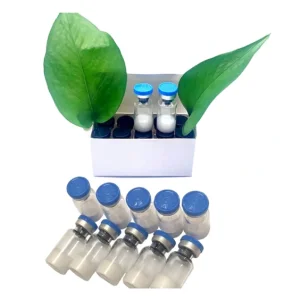
Comprehensive Technical Procurement Dossier: Ultra-High Purity Perovskite Halide Precursors, Bulk Industrial Synthesis Engineering, Global Quality Audit Standards & Supply Chain Resilience
Verified chemical reference compounds, biological ligands, and specialty peptide intermediates supplied with complete multi-spectral traceability.
Evaluating synthetic purity pathways, organohalide lattice thermodynamics, and industrial-scale manufacturing logistics for global enterprise procurement.
Methyl-ammonium precursors (CH3NH3X, where X = I, Br, Cl) require absolute stoichiometric equilibrium. Trace residual monomethylamine or excessive halide hydracids directly introduce trap states into synthetic organic-inorganic perovskite lattices, degrading photoluminescence quantum yields (PLQY).
Water contamination is the primary catalyst for hydration-induced degradation of hybrid methyl-ammonium lead triiodide (MAPbI3). Industrial grade precursors must maintain Karl Fischer moisture metrics below 100 ppm to ensure long-term shelf stability during solution deposition.
Beyond raw percentage assays, ultra-pure methylammonium salts must undergo Inductively Coupled Plasma Mass Spectrometry (ICP-MS) screening to verify that alkali, transition, and heavy metal concentrations (Fe, Cu, Zn, Ni) remain strictly below 5 ppm aggregate levels.
Examining regional manufacturing hubs, commercial grade allocations, and logistics bottlenecks across North America, Europe, and the Asia-Pacific corridor.
China and the broader East Asian chemical belt anchor more than 75% of global methylamine precursor synthesis. Large-scale gas-phase hydrohalogenation infrastructure in Hebei, Shandong, and Jiangsu provides unparalleled economies of scale, enabling high-tonnage output for emerging commercial perovskite photovoltaic gigafactories.
The European market operates under strict REACH authorization requirements. Importers prioritize REACH-registered, solvent-free recrystallized methyl-ammonium iodide (MAI) and methyl-ammonium chloride (MACl), focusing on dual-layer glass encapsulated solar arrays and academic research consortia.
United States procurement is heavily geared toward tandem perovskite-silicon pilot lines and defense optoelectronic contracts. Buyers demand rigorous domestic compliance (TSCA) accompanied by comprehensive batch-specific certificates of analysis verifying zero residual solvent residues.
| Compound Name | CAS Registry No. | Standard Assay | Residual Halide Impurity | Primary Industrial Sector | Form & Appearance |
|---|---|---|---|---|---|
| Methylammonium Iodide (MAI) | 14965-49-2 | ≥ 99.9% | < 0.05% Cl / Br | Perovskite PVs / Photodetectors | Crystalline Snow-White Powder |
| Methylammonium Bromide (MABr) | 6876-37-5 | ≥ 99.95% | < 0.02% Free Halide | Green PeLEDs / Wide Bandgap PV | White Glistening Flakes |
| Methylammonium Chloride (MACl) | 593-51-1 | ≥ 99.5% | < 0.1% Volatiles | Film Additive / Morphological Agent | Hygroscopic White Crystals |
| Methylammonium Formate (MAFo) | 6876-14-8 | ≥ 98.5% | < 0.5% Organic Acid | Deep Eutectic Solvents / Catalysis | Viscous Clear Liquid / Paste |
| Methylammonium Nitrate (MAN) | 22113-87-7 | ≥ 99.0% | < 0.05% Sulfate | Ionic Liquid Electrolytes | Deliquescent Crystalline Solid |
Documenting reaction thermodynamics, continuous anti-solvent crystallization, and certified multi-instrument testing suites for commercial release.
Industrial synthesis relies on the exothermic neutralisation of methylamine gas (CH3NH2) with ultra-pure hydroiodic, hydrobromic, or hydrochloric acid. Operating within microchannel continuous flow reactors prevents localized thermal spikes, avoiding color degradation and triiodide ion (I3-) formation.
Crude reaction cakes undergo minimum triple-pass recrystallization using dry ethanol-diethyl ether solvent pairs. This step strips unreacted free amines, water clusters, and particulate precursors, yielding pure crystallographic faces that facilitate smooth perovskite grain boundary growth.
Every commercial production lot is checked against four distinct analytical parameters before export: Proton Nuclear Magnetic Resonance (1H-NMR) for structural purity, Powder X-Ray Diffraction (PXRD) for lattice symmetry, UV-Vis for baseline absorbance, and HPLC for organic purity.
The progressive development pipeline of methyl-ammonium technologies across international commercial supply chains.
Manual batch recrystallization for academic trials and pilot scale testing lines.
Automated microchannel reactors enabling 50 MT annual continuous output with zero oxidation.
Commercial pre-mixed precursor solutions combining MA, FA, and Cesium halides in stable inert solvent systems.
Recycling of halogen residues and non-toxic green solvent replacements during continuous crystallization.
Turnkey gigawatt supply agreements providing pipeline-fed ultra-pure methylammonium halide precursors.
Overcoming cross-border fine-chemical delivery vulnerabilities through certified multi-barrier containment and global trade compliance.
Organohalide salts degrade rapidly in the presence of ambient humidity and ultraviolet light. Shipments are packed under 99.999% dry nitrogen or argon in amber glass bottles, heat-sealed inside vacuum metalized aluminum bags, followed by shock-absorbent outer drums.
All commercial consignments are accompanied by standardized GHS-compliant Safety Data Sheets (SDS), lot-specific Certificates of Analysis (COA) containing direct HPLC/NMR spectra, Verified Non-Dangerous Goods Declarations (where applicable), and origin certifications.
Operating dedicated logistics support hubs across North America, Europe, and Asia ensures seamless customs clearance. Our technical support desk assists client synthesis engineers with solubility curves, precursor solvent selection (DMF, DMSO, GBL), and film morphology troubleshooting.
How leading industrial clients deploy specialized methyl-ammonium formulations across optoelectronics, pharmaceutical intermediates, and specialized chemical synthesis.
Serving as the primary organic cation source in MAPbI3, MAPbBr3, and mixed perovskite absorber layers. It facilitates optimal bandgap tuning (1.55 eV), long carrier diffusion lengths, and device power conversion efficiencies (PCE) surpassing 25% in laboratory tandem configurations.
In Perovskite Light-Emitting Diodes (PeLEDs), methylammonium bromide (MABr) and chloride (MACl) additives control the spatial confinement of charge carriers within quasi-2D Ruddlesden-Popper phases, dramatically improving external quantum efficiency (EQE) and color purity.
Specialty quaternary methyl-ammonium derivatives serve as efficient phase-transfer catalysts (PTC) in complex organic coupling reactions, facilitating nucleophilic substitutions, alkylations, and the synthesis of active pharmaceutical intermediates (APIs).
Ionic liquids derived from methyl-ammonium salts (such as methylammonium formate or acetate) are emerging as non-flammable electrolyte additives for advanced lithium-metal and sodium-ion batteries, increasing electrochemical stability windows.
Clear, authoritative technical answers addressing common questions from chemical procurement teams, contract researchers, and industrial operations managers.
While technical grade (≥99%) is suitable for general organic synthesis and phase transfer catalysis, it typically contains trace water (>500 ppm), unreacted hydroiodic acid, and metallic impurities (Fe, Pb, Cu). For optoelectronic applications such as perovskite solar cells and LEDs, Electronic Grade (≥99.99%) is strictly required. The extra decimal place represents multiple anti-solvent recrystallization cycles that eliminate sub-bandgap non-radiative recombination centers, ensuring uniform film crystallization and high solar cell efficiency.
Methyl-ammonium halides, particularly MAI and MACl, are highly hygroscopic. Ambient water vapor hydrolyzes the salt into gaseous methylamine and hydrohalic acid, turning the powder yellow or pale brown due to triiodide (I3-) formation. Material must be stored inside a dedicated glovebox under dry nitrogen or argon atmosphere (H2O < 0.1 ppm, O2 < 0.1 ppm) in light-resistant amber bottles. When sealed in original barrier foil bags with desiccants, standard shelf life is 12 to 24 months at 2–8°C.
Yes. Contract synthesis facilities can prepare pre-mixed solid solutions or precise stoichiometric blends (such as Formamidinium/Methylammonium alloyed precursors or MACl-doped crystallization additives) according to your research or production specification. Custom premixes eliminate batch-to-batch weighing variance in cleanroom environments and improve procedural repeatability across automated slot-die coating or thermal evaporation workflows.
Every production batch includes an individualized Certificate of Analysis (COA) containing the exact lot number, Karl Fischer titration moisture report, Proton Nuclear Magnetic Resonance (1H-NMR) spectrum, Powder X-Ray Diffraction (PXRD) pattern, and ICP-MS trace metal impurity screening data. Customers may also request high-resolution HPLC chromatograms and thermogravimetric analysis (TGA) curves prior to dispatch.
Catalog research compounds are stocked in quantities ranging from 50 grams to 1 kilogram for immediate courier delivery within 3–5 business days. Pilot-scale and commercial orders (10 kg to 500+ kg) typically require a manufacturing lead time of 2 to 4 weeks, accommodating custom synthesis, multi-stage crystallization, certified vacuum packaging, and internal analytical release testing.
Standard methyl-ammonium halides (MAI, MABr, MACl) are non-restricted fine chemicals across most customs jurisdictions and can be shipped internationally under standard commercial invoices without specialized dual-use permits. However, certain concentrated primary amine precursors fall under domestic precursor monitoring regulations. Our regulatory affairs department handles all required export clearances, HS Code declarations (typically HS 2921.19), and compliance checks before pickup.
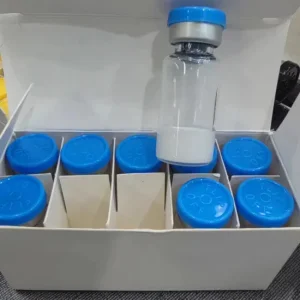
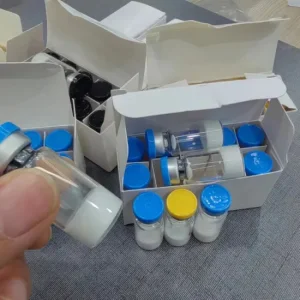
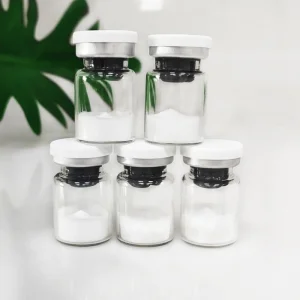
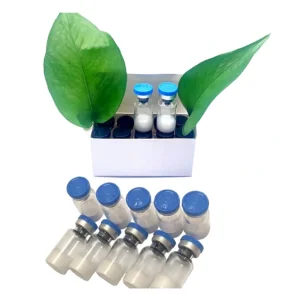
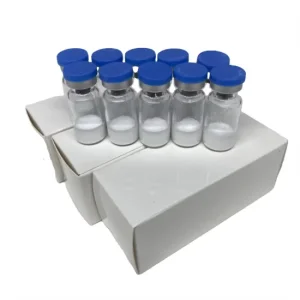
High-purity specialized research peptide fractions, APIs, and lyophilized biochemical standards prepared for international laboratory dispatch.