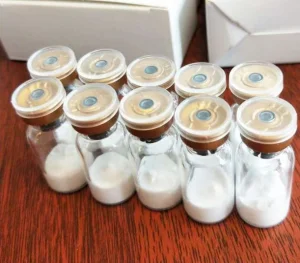
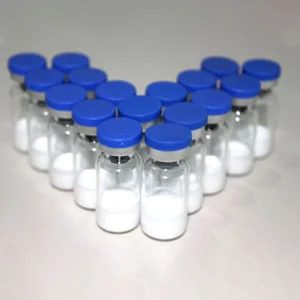
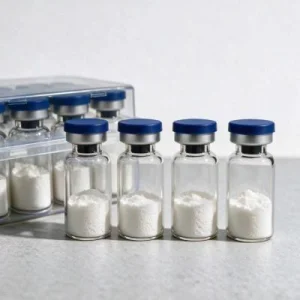
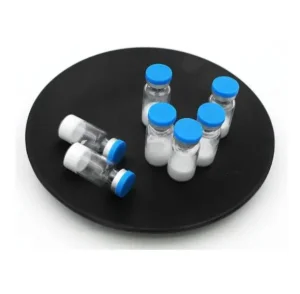
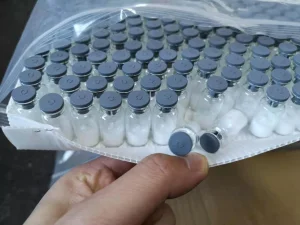
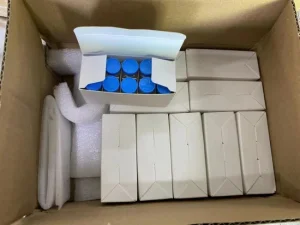
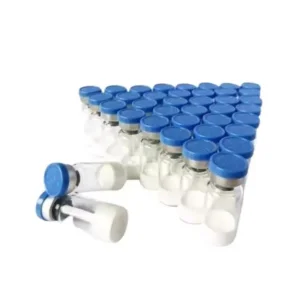
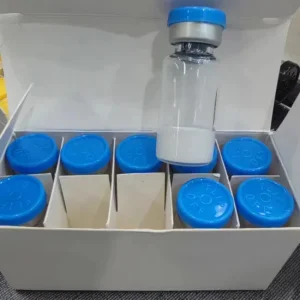
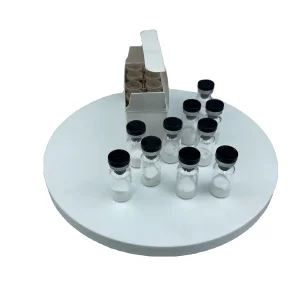
Explore immediate factory-dispatched active pharmaceutical reference materials, custom peptide vials, and specialized hormone raw powders manufactured under strict ISO/cGMP quality control protocols.
A rigorous examination of 17β-hydroxyandrost-4-en-3-one 3-phenylpropionate (CAS 1255-49-8), focusing on synthetic pathway stoichiometry, impurity profile minimization, and ester cleaving kinetics.
In the domain of steroidal API synthesis, Testosterone Phenylpropionate occupies a uniquely advantageous pharmacological midpoint. Chemically designated as [(8R,9S,10R,13S,14S,17S)-10,13-dimethyl-3-oxo-1,2,6,7,8,9,11,12,14,15,16,17-dodecahydrocyclopenta[a]phenanthren-17-yl] 3-phenylpropanoate, this molecule is an esterified variant of the native androgenic steroid testosterone. By conjugating a hydrocinnamic acid (3-phenylpropionic acid) moiety to the 17-beta hydroxyl group of the steroid nucleus, our chemical manufacturing facilities fundamentally modify the physicochemical behavior of the parent molecule.
From an ester kinetic perspective, the bulky aromatic phenyl ring attached to the two-carbon alkyl chain imparts a moderate steric hindrance around the C-17β ester bond. When administered via intramuscular oil depots, this molecular configuration dictates a terminal biological half-life of approximately 4.5 days. This effectively bridges the pharmacokinetic gap between short-acting aliphatic esters such as Testosterone Propionate (half-life ~19–24 hours) and long-chain lipophilic aliphatic esters such as Testosterone Enanthate and Cypionate (half-lives ~7–9 days). Industrial buyers seeking to produce balanced multi-ester blends or intermediate-acting therapeutics rely heavily on continuous batch quality from dedicated manufacturing plants.
| Analytical Parameter | Pharmacopoeial Standard Specification | Primary Testing Methodology | Factory In-House Release Criteria |
|---|---|---|---|
| Chemical Formula & CAS | C28H36O3 (Molar Mass: 420.59 g/mol) | CAS Registry: 1255-49-8 | High Structural Homogeneity (Isomer Verified) |
| HPLC Chromatographic Purity | Not less than (NLT) 98.0% | Reversed-Phase HPLC (UV @ 240nm) | ≥ 99.2% (Batch-to-Batch Verified) |
| Related Impurities (Individual) | Free Testosterone ≤ 0.5%; Any other ≤ 0.2% | LC-MS/MS & Gradient RP-HPLC | Individual Unknowns < 0.10% |
| Melting Point Range | 114.0 °C to 117.0 °C | Automated Capillary Melting Apparatus | Sharp Transition: 115.2 °C – 116.5 °C |
| Residual Solvents | Meets USP <467> and ICH Q3C Limits | Headspace Gas Chromatography (GC-FID) | Class 2 < 50 ppm, Class 3 < 500 ppm |
| Specific Optical Rotation [α]D | +85° to +92° (in Dioxane, 10 mg/mL) | High-Precision Photoelectric Polarimetry | +88.5° to +90.2° Normalized |
Testosterone base reacts with 3-phenylpropionyl chloride in a temperature-regulated jacketed reactor using anhydrous dichloromethane or THF, mediated by DMAP and triethylamine to cleanly drive acylation to >99.4% completion.
Crude reaction mixtures undergo aqueous-phase acid-base wash cycles to partition unreacted acid derivatives, followed by microfiltration through activated carbon and neutral alumina beds to purge color bodies and catalytic traces.
Employing supersaturation-controlled cooling crystallization in high-purity ethanol/water systems yields consistent, highly crystalline needle-like polymorphs, ensuring optimal bulk powder density and rapid dissolution kinetics in lipid vehicles.
Why Tier-1 global pharmaceutical buyers, diagnostic manufacturers, and contract research organizations anchor their procurement in Chinese steroid manufacturing hubs.
The global dominance of Chinese hormone factories in the synthesis of Testosterone Phenylpropionate is fundamentally underpinned by deep backward integration into microbial sterol fermentation. Unlike Western or secondary regional processors that rely on volatile intermediate spot markets, Chinese factories operate directly downstream of vast agricultural phytosterol refining pipelines. Soy sterol and phytosterol extracts are converted via industrial-scale Mycobacterium fermentation into 4-androstene-3,17-dione (4-AD) and androstadienedione (ADD)—the vital foundational synthons for all androstane-family steroidal active pharmaceutical ingredients.
This unbroken supply integration creates an insurmountable buffer against raw material supply shocks, shipping bottlenecks, and price volatility. When purchasing directly from Chinese manufacturing facilities, global buyers bypass multiple brokerage tiers, gaining access to single-source synthesis plants equipped with localized solvent reclamation systems, automated high-pressure hydrogenation autoclaves, and dedicated analytical cleanrooms operating under rigorous EHS protocols.
Unrestricted access to industrial fermentation complexes in Hubei, Shandong, and Hebei guarantees consistent feed of 4-AD intermediate, shielding production schedules from global supply interruptions.
State-of-the-art closed-loop synthesis systems minimize human intervention, reducing batch-to-batch coefficient of variance (CV) to under 0.8% across multi-ton production cycles.
Direct logistical corridors to Shanghai, Ningbo, and Hong Kong intercontinental freight terminals ensure accelerated cold-chain export, expedited air shipping, and fully compliant hazardous goods packaging declarations.
Every commercial batch is accompanied by comprehensive documentation: full-spectrum HPLC chromatograms, 1H/13C-NMR spectrographic confirmation, heavy metal limits (ICP-MS), and GC headspace residual analysis.
Strategic deployment of Testosterone Phenylpropionate raw material across specialized pharmaceutical manufacturing, therapeutic blends, veterinary medicine, and analytical testing.
Widely utilized in standardized sustained-release blends (such as classic 250mg/mL multi-ester compositions). Because it possesses a moderate release curve, 60mg/mL of phenylpropionate fills the pharmacokinetic valley occurring between short propionate decay and long enanthate/decanoate peak emergence, preventing systemic hormonal troughs.
Formulated into veterinary-grade parenteral solutions targeting severe muscle wasting, cachexia, and metabolic recovery in large animals (equine and bovine). The crystalline powder is engineered for rapid dissolution in ethyl oleate, benzyl benzoate, and pharmaceutical-grade sesame or cottonseed oils without crystal re-nucleation.
Qualified research institutions and forensic toxicology laboratories utilize our ultra-pure (≥99.5%) crystalline Testosterone Phenylpropionate as a primary analytical calibration standard for GC-MS, LC-MS/MS doping control assays, and pharmacokinetic comparative metabolite tracing.
How cutting-edge green chemistry, flow microreactors, and intelligent process analytics are transforming API factory production lines.
Transitioning from traditional 3000L batch stirred-tank reactors to continuous-flow microfluidic synthesis, reducing solvent volume by 42% and eliminating thermal degradation hotspots entirely.
Deploying immobilized engineered lipases for selective C-17β acylation without requiring corrosive acid halides or toxic DMAP/pyridine bases, slashing wastewater chemical oxygen demand (COD).
Implementation of Supercritical CO2 (scCO2) anti-solvent recrystallization to control microcrystal morphology and eliminate volatile organic solvent residues from the final powder lattice.
Integrating in-line Fourier Transform Near-Infrared (FT-NIR) sensors and Raman spectroscopy for continuous critical parameter monitoring, enabling algorithmic real-time quality assurance.
Comprehensive regulatory safeguards engineered to protect corporate purchasers, institutional importers, and licensed compounding facilities.
We provide comprehensive documentation including Drug Master File (DMF) technical packages, EU REACH compliance statements, TSE/BSE risk-free declarations, and fully harmonized SDS formatted to GHS 8th Revision standards.
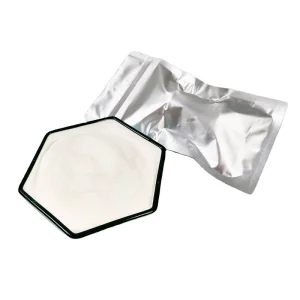
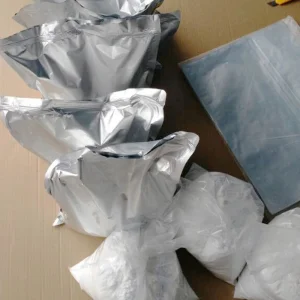
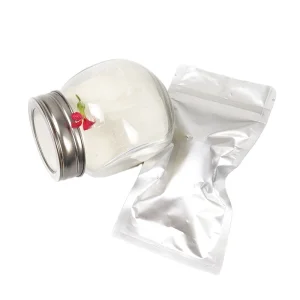
Powder shipments are packaged within double-layered pharmaceutical-grade, anti-static polyethylene liners, vacuum heat-sealed with desiccants inside puncture-proof multi-layer aluminum barrier foil pouches, and packed in UN-certified fiber drums.
To eliminate procurement risk, our export division supports split-sample pre-shipment retesting via certified international independent testing laboratories (such as Janoshik Analytical, SGS, or Eurofins) prior to capital settlement.
In-depth, candid technical answers addressing stability, solvent compatibility, batch release, minimum order quantities, and customs logistics.
Complete your supply procurement across our full verified range of active hormone bases, anabolic powder intermediates, and specialized metabolic signaling compounds.