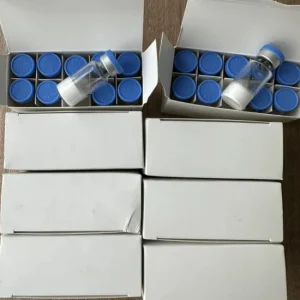
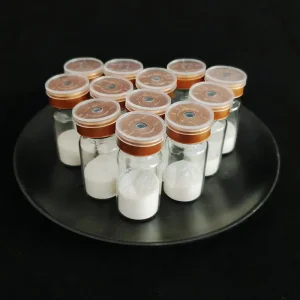
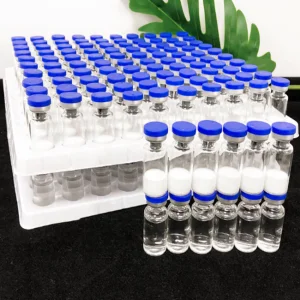
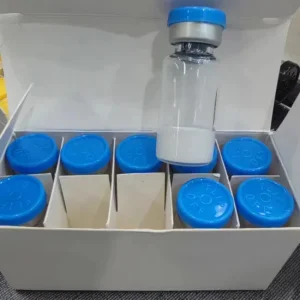
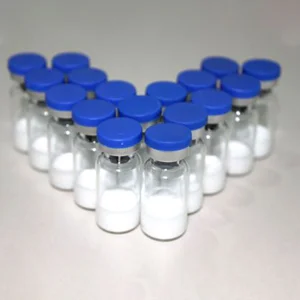
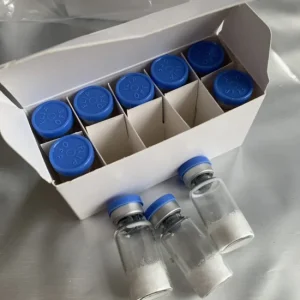
In addition to raw anabolic intermediate synthesis, our Chinese facilities manufacture and export analytical-grade reference peptides and pharmaceutical precursors under strict cGMP-aligned validation workflows.
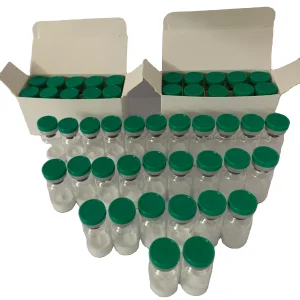
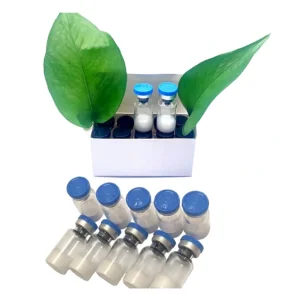
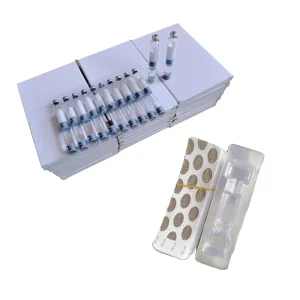
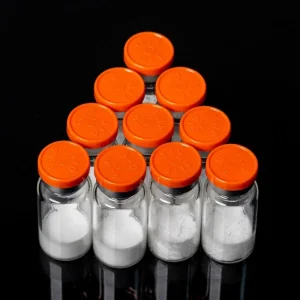
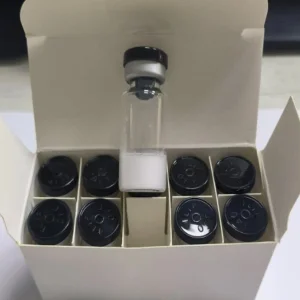
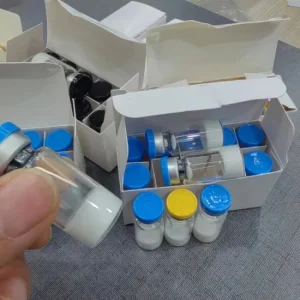
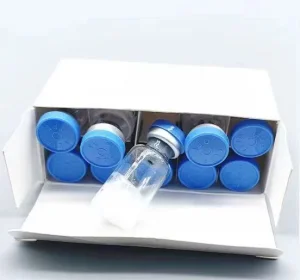
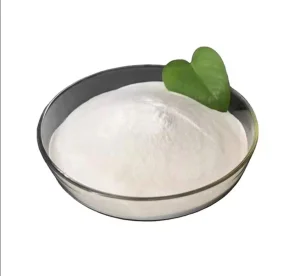
A rigorous scientific examination of 17β-(cyclopentylpropionyloxy)androsta-1,4-dien-3-one, its prolonged ester cleavage kinetics, and structural differentiation from Boldenone Undecylenate.
Boldenone Cypionate (chemical formula C26H36O3, CAS registry number 106505-90-2) represents the synthetic 17β-cyclopentylpropionate ester of boldenone, an anabolic-androgenic steroid exhibiting a modified testosterone backbone. Specifically, the introduction of a double bond between the carbon 1 and carbon 2 positions (1-dehydro modification) dramatically decreases the molecule's affinity for hepatic 5α-reductase transformation while significantly reducing aromatization into 17β-estradiol compared to parent testosterone.
While the veterinary industry has historically relied upon Boldenone Undecylenate (widely known under the proprietary name Equipoise), the undecylenate ester confers an exceptionally prolonged depot half-life of roughly 14 to 16 days, leading to sluggish steady-state pharmacokinetics and delayed therapeutic clearance. In contrast, the cyclopentylpropionate ester provides an optimized 8 to 10 day terminal elimination window. This kinetic release profile yields more rapid attainment of therapeutic plasma concentrations, sharper bioavailability control, and predictable clearance parameters in controlled veterinary metabolic models.
Upon deep intramuscular administration in an oily vehicle, the hydrophobic ester moiety temporarily prevents systemic interaction with androgen receptors. Endogenous tissue esterases progressively cleave the cypionate chain at the 17β-hydroxyl locus, steadily releasing active unesterified boldenone into systemic microcirculation. This sustained delivery provides high anabolic stimulation with minimal androgenic side effects, fostering nitrogen retention, skeletal muscle protein synthesis, and enhanced erythropoietin secretion without excessive fluid retention.
| Analytical Parameter | USP / In-House Reference Standard | Typical Chinese Factory Batch Result | Analytical Methodology |
|---|---|---|---|
| Chemical Identification | Conforms to Reference Infrared (IR) & HPLC retention | Conforms (Strict Match) | FTIR Spectrometry / HPLC-UV |
| HPLC Chromatographic Purity | ≥ 98.0% (w/w) on dried basis | 99.35% – 99.62% | RP-HPLC at 240 nm detection |
| Individual Related Substances | ≤ 0.50% max | 0.12% (Boldenone Free Base) | Gradient High-Performance LC |
| Total Related Impurities | ≤ 1.00% max | 0.38% total sum | Area Normalization Method |
| Melting Temperature Range | 104.0°C – 109.0°C | 105.8°C – 107.2°C | Capillary Differential Thermal Analysis |
| Specific Optical Rotation [α]D | +48.0° to +55.0° (c=1, dioxane) | +51.8° | Automatic Photoelectric Polarimetry |
| Residual Solvents | Methanol <3000ppm, Ethyl Acetate <5000ppm | Methanol: 42ppm, EtOAc: 110ppm | Headspace Gas Chromatography (GC-FID) |
| Heavy Metals (Pb, As, Cd, Hg) | ≤ 10 ppm total combined | < 2 ppm | ICP-MS Inductively Coupled Plasma |
| Loss on Drying (LOD) | ≤ 0.50% | 0.18% | Vacuum Desiccation at 60°C |
How Chinese steroid manufacturing facilities combine multi-ton phytosterol microbial fermentation with precision organic synthesis to produce high-yield Boldenone Cypionate.
Microbial biotransformation of natural soy/pine phytosterols using Mycobacterium strains yielding 4-androstenedione (4-AD) and 1,4-androstadiene-3,17-dione (1,4-ADD).
Chemo-selective borohydride or catalytic catalytic reduction of the 17-keto group of 1,4-ADD to synthesize unesterified 17β-hydroxy boldenone base with minimal 17α isomer contamination.
Esterification using cyclopentylpropionyl chloride in dry pyridine or dichloromethane with 4-DMAP catalysts under nitrogen blanket to suppress oxidation.
Quenching, multi-phase acidic/alkaline aqueous washings, and treatment with activated pharmaceutical charcoal to strip color bodies and trace catalysts.
Controlled multi-stage recrystallization from food-grade ethanol/water mixtures inside Class C / ISO 7 cleanroom isolators followed by sterile vacuum filtration.
In modern Chinese steroid synthesis complexes located in fine-chemical industrial parks across Hebei, Hubei, and Jiangxi provinces, the pathway to Boldenone Cypionate has evolved from antiquated diosgenin extraction to high-efficiency phytosterol bioconversion. The initial substrate—derived abundantly from soy oil deodorizer distillate—undergoes clean microbial degradation of the aliphatic side chain via mutant strains of Mycobacterium smegmatis. This bioprocess directly yields androsta-1,4-diene-3,17-dione (ADD) in single-batch fermentation volumes exceeding 50,000 liters.
The pivotal organic transformation centers on the stereoselective reduction of the 17-keto group to the corresponding 17β-hydroxyl functionality without disturbing the conjugated dienone system in the A-ring (1,4-diene-3-one). Chinese process engineers employ sodium borohydride (NaBH4) complexes at strictly cooled reactor temperatures (-5°C to 0°C) inside glass-lined reactors. Careful temperature dampening maintains stereospecificity, holding the unwanted 17α-hydroxy epimer below 0.25%, an impurity that is notoriously difficult to partition once esterified.
Subsequent esterification with cyclopentanepropionyl chloride proceeds in anhydrous media. Unlike undecylenate reactions which require extensive vacuum molecular distillation due to high boiling points and oily physical states at room temperature, Boldenone Cypionate forms a distinct white-to-creamy crystalline solid with a defined melting profile between 104°C and 109°C. This crystalline property allows Chinese manufacturers to deploy fractional recrystallization protocols, purging trace unreacted boldenone base and anhydride degradation products to achieve consistent industrial purity margins exceeding 99.0% by HPLC.
An analytical breakdown of why Chinese steroid API factories dominate global merchant supply through vertical integration, processing speed, and environmental infrastructure.
China commands over 75% of worldwide fermentation capacity for 4-AD and ADD raw steroid intermediates. Because the chemical feedstocks are processed domestically, Chinese Boldenone Cypionate synthesis plants are immune to transnational precursor embargoes, high tariff distortions, and international shipping lags.
Leading tier-1 facilities in China maintain ISO 9001 and ISO 14001 certified labs equipped with high-resolution Agilent 1290 Infinity II HPLC, Shimadzu GC-MS platforms, Karl Fischer titrators, and Polarimeters, guaranteeing every commercial batch ships with fully traceable raw analytical chromatograms.
Through specialized high-capacity continuous reactors and localized reclamation of organic solvents like methylene chloride, acetone, and ethanol, Chinese plants achieve synthesis yields 12–18% higher than small-scale batch producers in Europe or South America, reducing raw cost per kilogram for overseas buyers.
The efficiency of Chinese manufacturing is intrinsically linked to the "Cluster Economy" phenomenon. In dedicated chemical investment corridors—such as those situated in Hebei, Shandong, and Jiangsu—a Boldenone Cypionate synthesis facility operates within kilometers of bulk reagent producers supplying cypionyl chloride, sulfuryl chloride, phase-transfer catalysts, and USP-grade refining alcohols. This proximity cuts logistical carbon footprints, compresses lead times for custom synthesis orders down to 7–10 days, and dramatically mitigates inventory carrying costs.
Furthermore, recent environmental stewardship mandates by China's Ministry of Ecology and Environment have driven smaller, non-compliant workshops out of business. Surviving large-scale manufacturers have invested heavily in closed-loop VOC recovery systems, wastewater biological treatment stations, and automated cleanroom granulation lines. Global B2B buyers now interface with modernized, institutional-grade factories capable of providing comprehensive DMF (Drug Master File) technical support, route of synthesis transparency, and audit readiness.
Veterinary therapeutic applications, carrier oil compatibility, dissolution thermodynamics, and international market consumption vectors.
Primarily utilized in equine clinical medicine to stimulate appetite, reverse severe muscular atrophy, and accelerate structural recovery following corrective orthopedic surgery or acute debilitating illnesses. Its nitrogen retention properties promote dense myofibrillar repair in performance horses without inducing premature aggressive behavioral changes.
Due to its crystalline structure and favorable lipophilicity (logP ~ 5.2), Boldenone Cypionate exhibits exceptional solubility in medium-chain triglycerides (MCT / Miglyol 812), pharmaceutical-grade grape seed oil, and ethyl oleate (EO). Standard formulation protocols integrate 1.5–2.0% benzyl alcohol (BA) as bacteriostatic agent and 15–20% benzyl benzoate (BB) as co-solvent.
Demand spans commercial pharmaceutical compounders in Latin America (Brazil, Argentina, Mexico), contract veterinary formulators across Southeast Asia, and analytical reference standards distributed to European university pharmacological laboratories and forensic doping control centers.
When formulating commercial oil-based injectable solutions from raw Boldenone Cypionate crystalline powder, contract compounders must observe rigorous endotoxin mitigation protocols. Because steroid powders synthesized via organic crystallization cannot undergo direct aqueous steam autoclaving without inducing thermal ester hydrolysis, the raw API must be manufactured under stringent microbial controls.
High-grade Chinese factories conduct terminal crystallizations within laminar flow hoods (Class 100), utilizing solvent systems that discourage bacterial proliferation. The resulting crystalline raw powder guarantees endotoxin limits below 0.5 EU/mg, well within acceptable USP <85> thresholds. In formulation plants, the powder easily dissolves at moderate temperatures (55°C–65°C) into sterilized carrier oils. Subsequent terminal membrane filtration through 0.22-micron fluoropolymer (PTFE or PVDF) membranes yields high-clarity parenteral solutions with outstanding room-temperature stability and negligible risk of precipitate crash-out.
Strategic framework for international sourcing managers, quality assurance teams, and supply chain directors procuring steroid active ingredients from China.
Never rely solely on manufacturer in-house COAs. Qualified procurement mandates pre-shipment lot sampling sent to accredited analytical facilities (e.g., Janoshik, SGS, or Eurofins) for orthogonal HPLC-UV quantification, melting curve confirmation, and GC-MS identification.
Accurate Harmonized System (HS) code assignment is paramount. While anabolic steroids face divergent international regulatory controls, industrial APIs are documented under Chapter 29 (Organic Chemicals). Experienced exporters supply verified MSDS, COA, and non-dangerous cargo declarations.
Boldenone Cypionate is prone to photodegradation and moisture-induced ester cleavage. Premium Chinese suppliers pack material into double-layer pharmaceutical polyethylene zip-bags, vacuum-heat-sealed inside triple-laminate aluminum foil pouches with molecular sieve desiccant canisters.
Professional B2B contracts structure payments via secure escrow, documented Telegraphic Transfer (T/T), or Irrevocable Letters of Credit (L/C) under standard Incoterms 2020 (FOB Shanghai/Ningbo or CIF target international hub), supported by clear non-conformance re-testing clauses.
Moving forward, the chemical synthesis sector in China is undergoing two transformative technological evolutions: Continuous Flow Microreactor Technology and Green Enzyme-Catalyzed Esterification.
Traditional batch reactors carry inherent risks of localized hot spots, solvent loss, and varying residence times, which occasionally generate trace polychlorinated impurities during cypionyl chloride additions. By transitioning to microchannel flow reactors, Chinese synthesis labs gain precise control over microsecond mixing, stoichiometric additions, and thermal dissipation. This eliminates runaway side-reactions, elevates product purity above 99.5%, and reduces reagent waste by up to 35%. Simultaneously, enzymatic transesterification using immobilized lipases (such as Candida antarctica lipase B) is being piloted to esterify boldenone base under ambient, neutral pH conditions without toxic acyl halides, signaling a cleaner, more sustainable production horizon for Chinese chemical manufacturing.
Direct, science-backed responses to common technical, analytical, and supply chain inquiries submitted by global B2B procurement partners.
The fundamental distinction lies in the ester carbon chain length and physical state. Boldenone Undecylenate utilizes an 11-carbon monounsaturated fatty acid ester, resulting in an oily liquid at room temperature with a biological half-life of 14–16 days. Boldenone Cypionate utilizes an 8-carbon cyclopentylpropionate ester, forming a distinct crystalline powder (melting point ~106°C) with an 8–10 day half-life, allowing for faster release kinetics, superior analytical crystallization purification, and easier powder handling during formulation weighing.
Raw Boldenone Cypionate crystalline powder should be sealed in light-resistant, airtight containers purged with dry nitrogen or argon gas. It should be stored at controlled room temperature between 2°C and 8°C (refrigerated storage) for long-term warehousing, or 20°C to 25°C for working storage, strictly shielded from humidity (<45% RH) and UV radiation. Exposure to ambient moisture and heat triggers gradual cleavage into free boldenone base and cyclopentylpropionic acid.
A legitimate export shipment contains: 1) Batch-specific Certificate of Analysis (COA) detailing HPLC assay and related substances, 2) 16-section Safety Data Sheet (SDS / MSDS) compliant with GHS, 3) Technical Data Sheet (TDS), 4) Route of Synthesis declaration confirming absence of prohibited heavy-metal catalysts, 5) Certificate of Origin (COO), and 6) Commercial Invoice / Packing List matching the designated customs HS classification code.
Yes. Because of its defined crystalline nature and moderate melting point, high-concentration formulations (e.g., >250 mg/mL) in straight vegetable oils can precipitate ("crash") when exposed to winter shipping temperatures (<10°C). To eliminate this risk, formulators maintain concentrations between 200 mg/mL and 250 mg/mL and employ a co-solvent system comprising 18% to 20% benzyl benzoate with 2% benzyl alcohol in an ethyl oleate / MCT carrier matrix.
The primary analytical impurities monitored include: 1) Free unesterified Boldenone (resulting from incomplete acylation or moisture hydrolysis), 2) Boldenone 17α-epimer ester (arising from non-stereoselective ketone reduction), 3) 1,4-Androstadiene-3,17-dione (residual unreacted precursor), and 4) Dihydroboldenone (1-testosterone) derivatives. In compliant pharmaceutical-grade batches, each individual impurity must measure ≤0.20%, with total impurities strictly below 1.0%.
China's domestic integration of phytosterol fermentation isolates the steroid production sector from foreign raw intermediate swings. Large-scale domestic agricultural processing provides boundless soybean byproduct streams, insulating the supply chain from exchange-rate volatility, international ocean freight spikes, and intermediate merchant markups that affect European or Indian re-packers.
Complementing our raw anabolic intermediate supply lines, explore our verified catalog of lyophilized diagnostic peptides, biological modulators, and hormone analogues.