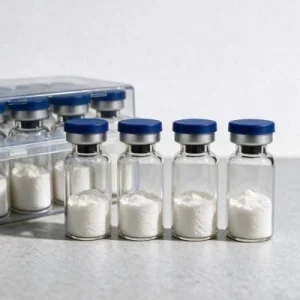
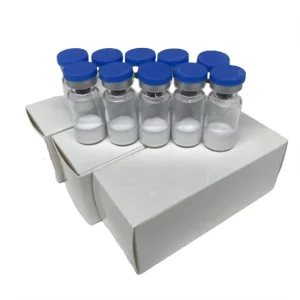
Direct supply line featuring batch-analyzed research peptides, API precursors, and fine chemicals manufactured under rigorous QA/QC protocols.
A rigorous examination of (2-bromoethyl)benzene as an essential bifunctional synthon across modern organic synthesis, active pharmaceutical ingredient (API) pathways, and specialty polymer functionalization.
In the competitive landscape of industrial fine chemicals and active pharmaceutical ingredient (API) intermediate manufacturing, CAS 103-63-9—chemically designated as (2-bromoethyl)benzene, commonly referred to as phenethyl bromide or β-phenylethyl bromide—stands as a premier electrophilic building block. Possessing the empirical formula C8H9Br and a molecular weight of 185.06 g/mol, this organobromine compound provides a critical ethyl-bridged phenyl synthon indispensable for facilitating carbon-carbon (C-C), carbon-nitrogen (C-N), and carbon-oxygen (C-O) coupling reactions.
From a retrosynthetic vantage point, the terminal primary alkyl bromide moiety exhibits remarkable nucleofuge displacement kinetics. It offers exceptional reactivity toward carbanions, amines, phthalimide salts, and thiols under mild catalytic conditions. As modern drug discovery continues to prioritize phenethylamine pharmacophores, central nervous system (CNS) active neuro-receptors, cardiovascular ligands, and peptide side-chain mimicking scaffolds, sourcing reliably pure, isomer-free 103-63-9 from audited manufacturer plants has become a non-negotiable prerequisite for enterprise procurement officers worldwide.
| Analytical Parameter | Standard Research Specification | High-Purity API / Polymer Grade | Analytical Methodology |
|---|---|---|---|
| Chemical Name | (2-Bromoethyl)benzene; Benzene, (2-bromoethyl)-; Phenethyl bromide | IUPAC / Chemical Abstracts | |
| CAS Registry Number | 103-63-9 | CAS Verification Database | |
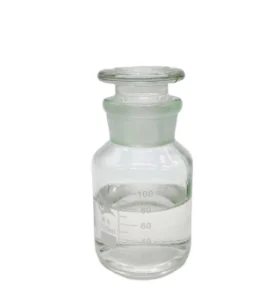
| Physical Appearance | Colorless to light pale-yellow transparent liquid | Water-white clear liquid, suspended-particulate free | Visual Inspection / APHA Colorimetric |
| Chromatographic Assay | ≥ 98.5% Area Purity | ≥ 99.5% Area Purity (Single Max Impurity < 0.20%) | GC-FID (Capillary Column DB-5/DB-624) |
| Density (20°C / 4°C) | 1.350 – 1.360 g/cm³ | 1.353 – 1.357 g/cm³ | Digital Oscillating U-tube Densimeter |
| Refractive Index (n20/D) | 1.5540 – 1.5580 | 1.5550 – 1.5570 | Abbe Refractometry |
| Boiling Point | 218 – 220 °C (lit.) / 92 – 94 °C @ 12 mmHg | Controlled fractionated vacuum cut | Standard Atmospheric / Vacuum Barometer |
| Free Acidity (as HBr) | ≤ 0.05% | ≤ 0.01% (100 ppm) | Acid-Base Potentiometric Titration |
| Residual Moisture Content | ≤ 0.10% | ≤ 0.05% (500 ppm) | Coulometric Karl Fischer Titration |
Analyzing the strategic imperatives behind secure upstream feedstock procurement, green halogenation technologies, and global B2B inventory de-risking.
The global pricing and availability of CAS 103-63-9 are structurally tied to raw elemental bromine (Br2) and hydrogen bromide (HBr) feedstocks. Tier-1 manufacturing facilities maintain direct supply linkages to major brine and coastal chemical clusters, buffering enterprise buyers against wild commodity price surges and sudden allocation quotas.
During hydrobromination, competing side reactions can yield alpha-phenylethyl bromide (1-bromo-1-phenylethane), an unstable benzyl halide isomer prone to rapid solvolysis and polymerization. Advanced manufacturers utilize proprietary anti-Markovnikov catalytic regimes to drive terminal regioselectivity above 99.8%.
Alkyl bromides are sensitive to residual moisture and ambient UV exposure, which can catalytically trigger trace HBr dissociation and darken the clear liquid. World-class factories deploy nitrogen-blanketed fluorinated HDPE, PTFE-lined, or PVDF-lined steel drums (UN1H1/UN1A1 specifications) to maintain absolute stability during international maritime voyages.
A strategic overview of production geography, international demand nodes, and cross-border supply chain resilience for organobromine intermediates.
The worldwide consumption of (2-bromoethyl)benzene is experiencing sustained expansion, propelled by double-digit growth in specialized active pharmaceutical ingredients (APIs), veterinary therapeutics, liquid crystal and OLED electro-active materials, and advanced quaternary ammonium salt synthesis. Geographically, manufacturing capacity has historically been centered in East Asia, specifically in industrial chemical parks with integrated brine extraction and dedicated chlorine-bromine handling authorizations.
Procurement teams in North America (United States, Canada) and Western Europe (Germany, Switzerland, United Kingdom, France) frequently rely on long-term off-take agreements with verified Chinese factory complexes. The emergence of stricter green chemistry regulations—such as the European Union’s REACH authorization frameworks and zero-effluent environmental mandates—has led to a consolidation in production: smaller, poorly capitalized workshops have closed, while large-scale, automated production facilities with ISO 14001 and ISO 45001 certifications have captured major market shares.
Accelerated by modern CNS candidate pipelines and specialty industrial anti-static agents. U.S. pharmaceutical CDMOs and fine chemical distributors prioritize suppliers who deliver multi-metric HPLC/GC data and complete raw material traceability to satisfy FDA 21 CFR Part 11 requirements.
Stringent REACH registration thresholds mandate extensive toxicological dossiers and strict substance identity profiles. European enterprise buyers exclusively contract with factories possessing dedicated Only Representative (OR) representation and validated low-VOC delivery setups.
India and Japan represent significant consumption nodes for CAS 103-63-9, utilizing it as an alkylating building block for bulk generic APIs and proprietary agricultural fungicides. The proximity of Chinese manufacturing centers provides distinct freight lead-time and tariff-optimization advantages.
A deep dive into reaction kinetics: Transitioning from legacy batch-pot bromination to high-throughput continuous flow microreactors for superior stoichiometric yield.
Historically, the industrial preparation of (2-bromoethyl)benzene has followed two classical routes:
Route A: Free-Radical Hydrobromination of Styrene. The addition of hydrogen bromide (HBr) gas to styrene in the presence of radical initiators (such as organic peroxides or UV photolysis) operates under the Kharasch anti-Markovnikov mechanism. While economically attractive, traditional batch stirred-tank reactors frequently suffer from localized hot spots, uncontrolled polymerization of styrene monomer into polystyrene oligomers, and dangerous thermal runaway risks.
Route B: Halodehydroxylation of 2-Phenylethanol. The nucleophilic substitution of 2-phenylethanol with hydrobromic acid (aqueous or anhydrous) in the presence of phase-transfer catalysts or phosphorus tribromide (PBr3). This route yields high regiochemical purity but produces substantial phosphorus waste effluents, posing heavy environmental and waste-treatment costs.
Cutting-edge manufacturing plants have integrated silicon-carbide (SiC) microchannel continuous flow reactors. By maintaining millisecond-level mixing times and immense surface-area-to-volume heat exchange ratios, the hydrobromination reaction operates isothermally, preventing thermal byproduct formation.
Crude reaction effluent undergoes continuous twin-column thin-film wiped falling evaporator distillation under high vacuum (< 5 mbar). This ensures gentle thermal separation of low-boiling unreacted styrene and high-boiling residues without exposing 103-63-9 to prolonged thermal degradation.
Enterprise buyers receive full impurity documentation. Key monitored markers include 1-bromo-1-phenylethane (≤ 0.10%), styrene (≤ 0.05%), 1,2-dibromoethylbenzene (≤ 0.15%), and free HBr (≤ 50 ppm), guaranteeing uncompromised downstream coupling stoichiometry.
Surveying the primary synthesis vectors where high-purity (2-bromoethyl)benzene functions as an irreplaceable synthon in modern research and commercial manufacturing.
Serves as the core phenethyl donor in synthesizing therapeutic entities. Typical examples include central nervous system (CNS) modulators, dopamine receptor antagonists, anti-parkinsonian compounds, antihistaminic phenethyl-piperidines, and potent analgesics requiring strict non-mutagenic impurity limits.
Reacted with tertiary amines, phosphines, or pyridines to yield phenethyl-quaternary ammonium and phosphonium phase transfer catalysts (PTCs). These specialized salts facilitate clean liquid-liquid biphasic nucleophilic alkylations and fluorinations in fine chemical synthesis.
An essential intermediate in constructing aryl-ethyl substituted heterocyclic fungicides, systemic acaricides, and plant growth regulators. High chemical purity prevents phytotoxic secondary compounds from contaminating final commercial agrochemical sprays.
Utilized to synthesize phenethyl ethers, phenethyl esters, and substituted aromatics mimicking natural floral fragrances (rose, jasmine, hyacinth). Low residual halogen and neutral odor profiles are mandatory for perfume-grade intermediates.
Acts as a terminal capping agent or side-chain modifier for conjugated polymers, organic semiconductor small molecules, and polystyrene co-polymers. Controls refractive indices and glass transition temperatures (Tg) in advanced optical coatings.
Ensuring frictionless international procurement through complete hazardous materials documentation, customs compliance, and safety standardization.
International shipment of organobromine chemicals like (2-bromoethyl)benzene is subject to precise regulatory controls due to their physical properties and environmental profiles. As an ISO 9001, ISO 14001, and cGMP-aligned manufacturing organization, our compliance team ensures that all cross-border consignments arrive with comprehensive, legally certified documentation matching target-market requirements:
Safety Data Sheets (SDS) authored strictly in accordance with GHS Revision 8 / OSHA 29 CFR 1910.1200 / EU Regulation (EU) 2020/878. Provided in multilingual formats (English, German, French, Spanish, Japanese) complete with verified toxicological, aquatic toxicity, and safe handling directives.
Shipped under international UN hazard regulations (typically categorized under Class 9 or Class 6.1/8 depending on formulation packaging and local transport rules). UN-certified packaging tests ensure seal integrity under dynamic maritime shock, depressurization, and temperature swings.
CAS 103-63-9 is cataloged on global inventories including US TSCA, Canadian DSL/NDSL, China IECSC, and European EINECS (203-130-8). Active EU REACH registrations (including Lead Registrant analytical data packages) support seamless import clearances for enterprise clients.
Pioneering clean-tech chemical engineering: Roadmap for zero-liquid discharge, continuous photolytic halogenation, and ultra-trace impurity control.
Implementation of continuous vapor condensation and aqueous brine electrodialysis, reclaiming ≥ 98% of residual bromide ions into marketable elemental bromine. Eliminates halogen discharge and dramatically shrinks chemical oxygen demand (COD) in wastewater streams.
Replacing traditional thermal free-radical peroxide initiators with high-flux industrial LED photoreactors (365–405 nm). Photolytic activation enables room-temperature, solvent-free anti-Markovnikov HBr addition to styrene with real-time NIR process analytical technology (PAT).
Engineering dedicated sub-ambient vacuum fractionation columns to produce semiconductor-grade and ultra-pure biopharma grades with individual metallic impurities below 10 ppb and mutagenic alkyl halide isomers below 50 ppm.
Direct technical answers regarding assay standards, minimum order quantities, storage stability, analytical reports, and export compliance.
Our industrial plant provides two core grades: Standard Technical Grade (≥ 98.5% GC-FID) and High-Purity API/Specialty Grade (≥ 99.5% GC-FID). Key monitored impurities include 1-bromo-1-phenylethane (≤ 0.10%), unreacted styrene (≤ 0.05%), and 1,2-dibromoethylbenzene (≤ 0.15%). Every batch is accompanied by an authenticated Certificate of Analysis (COA) containing raw GC-FID chromatograms and Karl Fischer moisture readings.
Alkyl bromides can undergo slow, autocatalytic HBr elimination if exposed to atmospheric moisture, heat, or transition metal ions. We utilize high-vacuum de-aeration, nitrogen sparging, and package solely in fluorinated HDPE drums, PTFE-lined steel drums, or amber-glass containers with airtight sealings. Optional food/pharma-approved acid scavengers or stabilizers can be added upon client specification.
Standard industrial packaging includes 25 kg fluorinated poly drums, 200 kg (net) heavy-gauge steel drums with baked phenolic or PVDF linings, and 1,000 kg / 1,200 kg Intermediate Bulk Containers (IBCs). For R&D trials or scale-up pilot batches, our minimum order quantity starts at 1 kg or 25 kg drums, with full multi-ton container loads (FCL) delivered within 10 to 21 days.
Yes. Our specialized global logistics desk prepares complete export declarations, Dangerous Goods Declarations (DGD), Packing Group certifications, commercial invoices, and bilingual GHS SDS. We routinely manage DDP, CIF, and FOB shipments to key hubs in North America, Europe, Southeast Asia, and the Middle East with pre-cleared customs documentation.
We support European clients through existing REACH registration dossiers and verified Only Representative (OR) coverage. For enterprise pharmaceutical contracts, we welcome desktop regulatory audits, provide full supply chain transparency questionnaires, and furnish raw material supplier qualification records.
Yes. In addition to CAS 103-63-9, our custom synthesis team manufactures substituted phenethyl bromides, such as 4-methoxy-(2-bromoethyl)benzene, 4-chloro-(2-bromoethyl)benzene, and deuterated analogues (d4- or d5-phenethyl bromide) for metabolic tracing and NMR internal standards from gram to multi-ton scales.
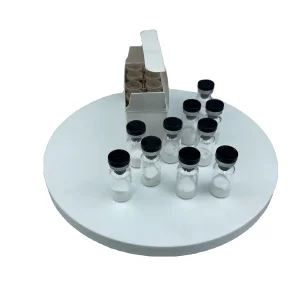
Explore our secondary lineup of high-grade peptides, pharmaceutical intermediates, and precision active ingredients available for immediate dispatch.