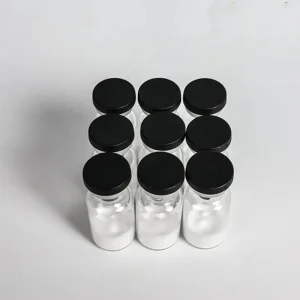
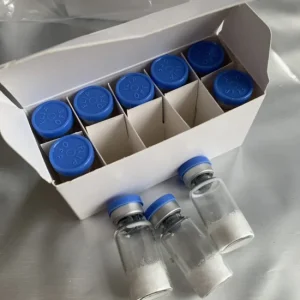
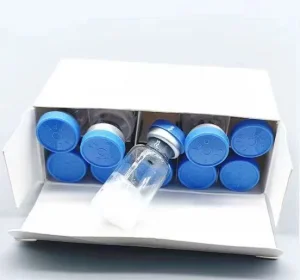
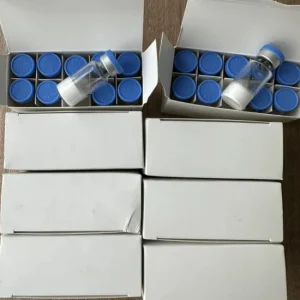
Direct laboratory allocations and bulk industrial batches manufactured in cGMP-aligned synthesis cleanrooms. Each lot is verified via Analytical HPLC and Quadrupole High-Resolution Mass Spectrometry.
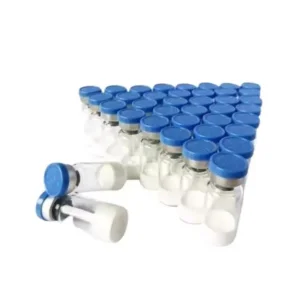
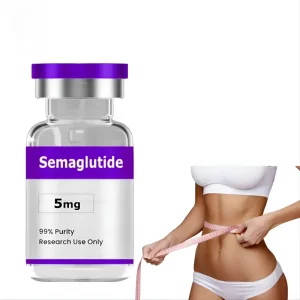
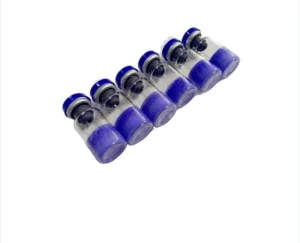
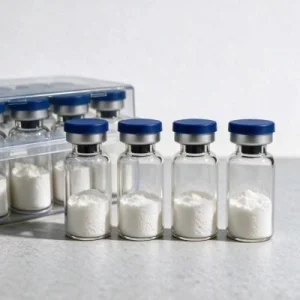
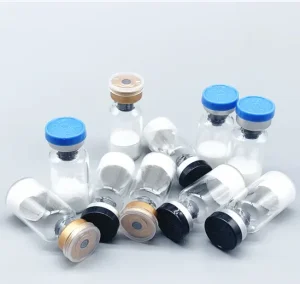
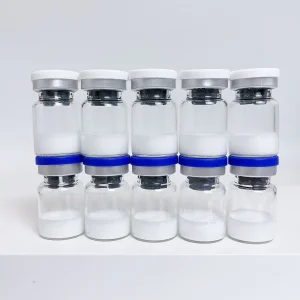
A comprehensive examination of CAS 1182367-47-0 as an essential intermediate in contemporary synthetic chemistry, organic synthesis methodologies, and precision medicinal formulation.
| Analytical Parameter | Acceptance Criteria (Release Specification) | Primary Methodology | Validation Compliance |
|---|---|---|---|
| CAS Registry Number | 1182367-47-0 | CAS Chemical Registry System | Documented Identity |
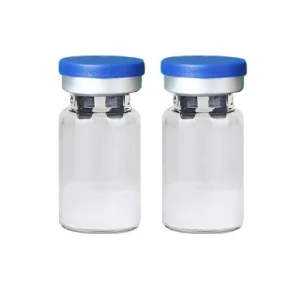
| Physical Appearance | White to Off-White Crystalline Solid / Powder | Visual Inspection (USP <631>) | Lot Inspection SOP-QC-014 |
| Identification (Structure) | Conforms to Reference Standard Structure | 1H-NMR, 13C-NMR & HR-MS | ICH Q6A Identity Baseline |
| Assay Purity (HPLC) | ≥ 99.0% (Area Normalization) | RP-C18 (4.6 x 150mm, 3.5μm) UV 210/254nm | Validated Linear Range |
| Residual Solvents | Meets ICH Q3C Guidelines (Class 2 < 0.05%, Class 3 < 0.5%) | Headspace Gas Chromatography (GC-FID) | ICH Q3C (R6) Regimes |
| Heavy Metals Contamination | Total Heavy Metals ≤ 10 ppm (As, Cd, Pb, Hg ≤ 1 ppm each) | ICP-MS Inductively Coupled Plasma | USP <232> / <233> Compliant |
| Loss on Drying (LOD) | ≤ 0.50% w/w (Vacuum Desiccation, 40°C, 4h) | Gravimetric Micro-balance | EP 2.2.32 Standard |
Enantiomeric excesses are strictly monitored through validated chiral HPLC columns (e.g., Chiralpak AD-H or OD-RH). For critical chiral intermediates like 1182367-47-0, preventing stereoisomeric drift during synthesis is vital to eliminating off-target biological interactions.
Every synthetic route for CAS 1182367-47-0 evaluates potential degradation products and starting material carryovers. Genotoxic impurities are rigorously characterized below TTC thresholds utilizing hyphenated LC-MS/MS analytical methodologies.
Accelerated and long-term stability testing protocols run under ICH Q1A(R2) conditions (25°C/60% RH and 40°C/75% RH). Data indicates that crystalline integrity and assay values remain robust across extended 24-month and 36-month monitoring cycles.
Mapping international supply chain dynamics, industrial demand clusters, and procurement pathways across major continental pharmaceutical corridors.
In the United States and Canadian life-sciences hubs (Boston-Cambridge, San Francisco Bay Area, Research Triangle Park), CAS 1182367-47-0 serves primarily as an advanced investigational intermediate. High-growth contract research organizations (CROs) and biotech developers demand non-infringing routes, audit-ready Certificates of Analysis (COAs), and comprehensive spectroscopic confirmation to feed into preclinical lead optimization programs.
Within the European market (Germany, Switzerland, France, and the UK), procurement parameters are governed heavily by REACH registration, environmental solvent thresholds, and strict ECHA safety compliance. European pharmaceutical consolidators insist on closed-loop manufacturing practices that minimize hazardous byproducts, making green synthesis pathways for 1182367-47-0 an indispensable procurement requirement.
The Asia-Pacific region acts as both the engine of scalable manufacturing and an emerging consumer of complex intermediates. Industrial hubs throughout China and India supply large-scale precursor chemicals, benefiting from integrated raw material sourcing. Modern APAC factories are transforming from traditional batch reactors to state-of-the-art continuous flow and automated crystallizers to meet Western GMP standards.
How automation, microchannel continuous flow synthesis, and algorithmic process analytics are reshaping the chemical manufacturing benchmarks for complex CAS numbered compounds.
Traditional manufacturing of complex compounds frequently encounters heat transfer limitations, localized hot spots, and byproduct variations in 5,000-liter glass-lined batch vessels. Modern manufacturing facilities producing CAS 1182367-47-0 have transitioned to modular continuous micro-reactors. This engineering breakthrough ensures:
With stringent global environmental mandates (such as the EPA Green Chemistry Challenge and European Green Deal initiatives), manufacturing plants are aggressively replacing toxic classical coupling reagents with recyclable biocatalysts and organocatalytic matrices:
How established chemical enterprises ensure batch-to-batch consistency, navigate strict global trade barriers, and guarantee uninterrupted production schedules for research and commercial clients.
Supply shocks often originate in single-source reagent bottlenecks. Miaoou manages multi-regional qualified vendor lists (QVL) for all starting raw materials needed for CAS 1182367-47-0, preventing geopolitical or freight disruption from halting our factory synthesis cycles.
Every commercial batch is accompanied by comprehensive documentation: Certificate of Analysis (COA), 1H/13C-NMR spectra, HPLC chromatogram overlays, Mass Spectrometry (MS) verification, Safety Data Sheets (SDS per GHS/CLP), and stability chamber verification logs.
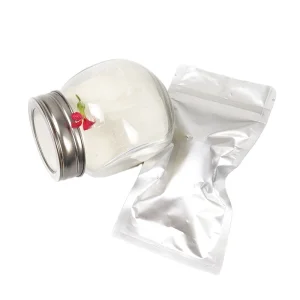
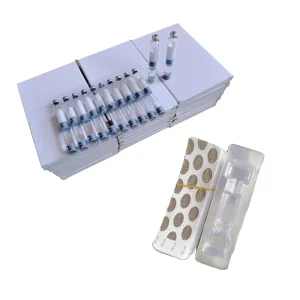
Custom packaging ensures air-sensitive and moisture-sensitive compounds maintain their structural integrity during transit. Products are vacuum-sealed under inert dry nitrogen atmospheres in multi-layer foil pouches or fiber drums with real-time temperature tracking.
Investigating the critical chemical interactions, reaction mechanisms, and multi-disciplinary research domains where CAS 1182367-47-0 demonstrates pivotal utility.
Acts as an indispensable chiral scaffold or building block in the multi-step convergent synthesis of complex heterocyclic therapeutic candidates, kinase inhibitors, and central nervous system (CNS) receptor modulators. Its unique chemical architecture allows selective functionalization without disrupting adjacent stereocenters.
In antibody-drug conjugate (ADC) research and targeted peptide therapeutics, derivatives of 1182367-47-0 provide structural rigidity and metabolic stability. When incorporated into engineered linker segments, it facilitates precise cleavage kinetics under lysosomal or enzymatic intracellular environments.
Academic institutions and corporate drug discovery units utilize high-purity batches of 1182367-47-0 as a reference standard and core synthons for DNA-encoded library (DEL) generation. The ultra-low residual heavy metal specification (<10 ppm) prevents interference in sensitive enzymatic and fluorescent screening models.
Demonstrating rigorous analytical control, cGMP cleanroom protocols, and transparent documentation to satisfy procurement auditors, regulatory inspectors, and quality assurance directors.
Every incoming batch of reagents undergoes spectroscopic identity confirmation (FTIR/Raman) and assay titrations before warehouse release into cleanroom synthesis corridors.
Reaction kinetics are tracked via rapid UHPLC runs at 30-minute intervals. Reaction vessels proceed to quenching only when target conversion exceeds 98.5% threshold values.
Multi-stage preparative HPLC purification columns eliminate critical structural isomers. Controlled lyophilization or crystallization ensures consistent polymorph morphology.
QA directors independently audit the complete batch production record (BPR). Sealed COAs with serialized batch tracking numbers are generated prior to commercial export packaging.
Direct technical answers formulated for laboratory procurement managers, synthetic chemists, and quality assurance executives.
Our standard production specifications mandate a minimum chemical purity of ≥ 98.0% by HPLC area normalization, with specialized research batches routinely reaching ≥ 99.0% to 99.5%. Each batch is tested against authenticated secondary reference standards to verify exact chromatographic response factors.
Yes. Every procurement order includes a comprehensive Certificate of Analysis (COA). For specialized research institutions and regulatory filing dossiers, we supply full 1H-NMR, 13C-NMR, high-resolution Mass Spectrometry (HRMS), and chiral HPLC chromatograms to validate structural and stereochemical purity.
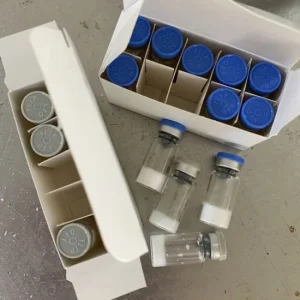
CAS 1182367-47-0 should be stored at -20°C in a desiccated, light-protected environment. The compound must remain sealed in its original amber glass container or vacuum-sealed aluminum moisture-barrier bag under dry nitrogen to prevent moisture uptake and hydrolytic decomposition.
We support seamless chemical synthesis scale-up transitions. Available packaging options span from gram-scale R&D screening batches (10g, 50g, 100g) up to pilot-scale multi-kilogram lots (1kg, 5kg, 25kg fiber drums) and metric-ton industrial campaign capabilities through our dedicated partner factories.
Our dedicated export logistics team prepares fully compliant commercial declarations, Harmonized System (HS) code classifications, Material Safety Data Sheets (MSDS/SDS per GHS standards), and non-dangerous goods certifications, facilitating swift customs clearance across Europe, North America, and APAC destinations.
Absolutely. We actively support third-party verification through accredited international testing organizations (such as SGS, Intertek, or specialized university testing centers). Pre-shipment retention samples are cataloged for each production lot for 36 months to guarantee full analytical transparency.
Explore our extended portfolio of synthesized reference compounds, hormone-releasing analogues, and bio-functional chemical intermediates with guaranteed purity and immediate dispatch.