Direct factory stock allocations available for commercial synthesis, laboratory qualification, and worldwide contract research.
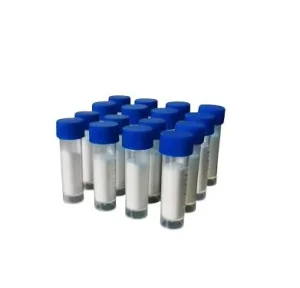
Buy GHK-Cu vials powder (Copper Peptide) Supplier, Factory
Inquire Now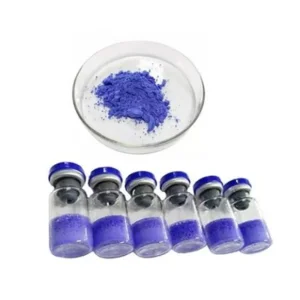
High-Quality Retatrutide Factory, Product
Inquire Now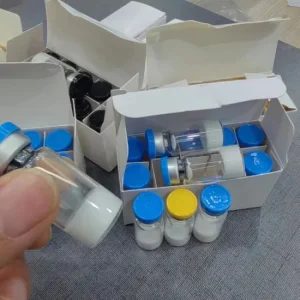
High-Quality Factory supply PT-141 10mg per vails Supplier, Products
Inquire Now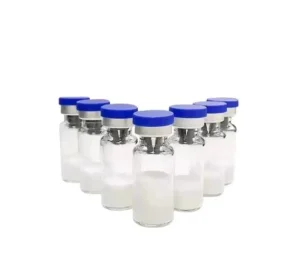
China Copper Peptide vials in stock Product, Products
Inquire Now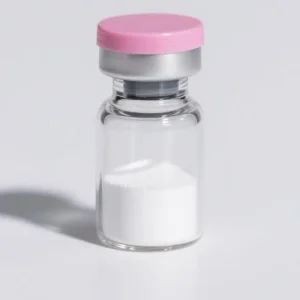
China KPV Suppliers, Products
Inquire Now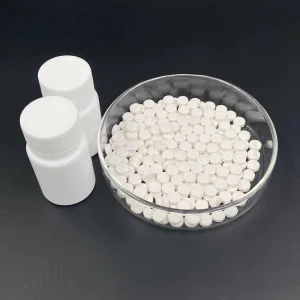
China Clomid-50mg Anabolic Steroid For Muscle Mass with Wholesale Price Suppliers, Product
Inquire Now
Buy Retatrutide CAS NO.2381089-83-2 Supplier, Suppliers
Inquire Now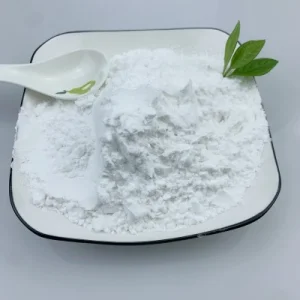
China Raw Boldenone Cypionate Cas 106505-90-2 in Stock 100%delivery provide customs clearance Supplier, Factories
Inquire Now(2-Bromoethyl)benzene (CAS Number: 103-63-9), also chemically designated as Phenethyl Bromide or β-bromophenylethane, serves as an indispensable bifunctional organobromine building block across contemporary organic synthesis, pharmaceutical chemistry, and advanced materials engineering.
| Analytical Parameter | Technical Grade Specification | Pharma / Optoelectronic High-Purity Grade | Validated Testing Methodology |
|---|---|---|---|
| Chemical Nomenclature | (2-Bromoethyl)benzene; β-Phenylethyl bromide | Benzene, (2-bromoethyl)-; 1-Bromo-2-phenylethane | IUPAC / Chemical Abstracts Index |
| CAS Registry Number | 103-63-9 | 103-63-9 (High Structural Veracity) | CAS Verification / Identity Standard |
| Molecular Formula & MW | C8H9Br | 185.06 g/mol | C8H9Br | 185.06 g/mol (Monoisotopic: 183.988) | Calculated Exact Mass |
| Physical Appearance | Pale yellow to clear viscous liquid | Colorless, optically transparent clear liquid | Visual & APHA Color Index (≤ 20) |
| Chromatographic Assay (GC-FID) | ≥ 98.5% Area Normalization | ≥ 99.50% to ≥ 99.80% (Zero unknown > 0.05%) | Agilent DB-624 Capillary GC / MS-Validated |
| Key Isomeric Impurity (1-Bromoethylbenzene) | ≤ 0.80% (w/w) | ≤ 0.10% (w/w) — Ultra-tight isomer discrimination | Internal Standard Gas Chromatography |
| Residual Styrene Monomer | ≤ 0.30% (w/w) | ≤ 0.05% (w/w) (Prevents radical polymerization) | Headspace Gas Chromatography |
| Free Acidity (expressed as HBr) | ≤ 0.05% (500 ppm) | ≤ 0.005% (≤ 50 ppm neutralized / stabilized) | Potentiometric Acid-Base Titration |
| Water Content (Karl Fischer) | ≤ 0.10% (w/w) | ≤ 0.02% to ≤ 0.05% (Max 500 ppm) | Coulometric Karl Fischer Titration |
| Boiling Point & Density | 220–223 °C; 1.355 g/mL at 25 °C | 107–109 °C at 20 mmHg; 1.355 g/mL at 25 °C | Atmospheric / Reduced Pressure Pycnometer |
The chemical architecture of (2-bromoethyl)benzene balances an electrophilic primary alkyl halide moiety with an electron-rich aromatic core. The primary β-carbon undergoes clean SN2 nucleophilic substitution kinetics when reacted with thiols, primary and secondary amines, malonate esters, and carbanions. When compared against the α-halo isomer (1-bromoethylbenzene), which exhibits rapid benzylic solvolysis and spontaneous elimination to form styrene, the β-substituted isomer provides predictable steric and electronic control essential in multi-step downstream API synthesis.
Standard industrial routes often leave trace byproducts such as 1-bromo-1-phenylethane, unreacted 2-phenylethanol, residual styrene, and bis-adducts like (1,2-dibromoethyl)benzene. In pharmaceutical manufacturing, these impurities act as genotoxic precursors or alkylating agents (GTI guidelines ICH M7). Our manufacturing processes integrate fractional vacuum rectification under deep vacuum (<5 mbar) alongside continuous micro-degassing, constraining total critical impurities to below limits detectable by conventional FID detectors.
Alkyl bromides are sensitive to trace moisture, hydrolyzing into hydrobromic acid (HBr) which autocatalyzes olefin formation and oxidative darkening. Our high-purity (2-bromoethyl)benzene is packed with optional sub-ppm organic amine acid scavengers (such as propylene oxide or hindered epoxides upon buyer request) or blanketed under high-purity cryogenic nitrogen (Grade 5.0, 99.999% N2), ensuring an intact 24-month shelf life without color drift or acidic degradation.
How geographical brine resource concentration, raw styrene cracking integration, and continuous microchannel flow reactors yield resilient cost profiles and uninterrupted global supply.
Procurement managers, chemical supply chain executives, and CQOs from Big Pharma, agrochemical conglomerates, and electronic material producers require uncompromising audit readiness and analytical validation.
Pharmaceutical contract development and manufacturing organizations (CDMOs) operate under validated Good Manufacturing Practice (GMP) regimes. An unexpected 0.1% fluctuation in secondary alkyl halides can generate unknown degradation peaks during downstream condensation reactions. Miaoou operates unified Statistical Process Control (SPC), guaranteeing identical GC fingerprints, refractive index (1.556–1.560), and tight impurity windows across all consecutive lots.
Every dispatch of (2-bromoethyl)benzene is accompanied by fully disclosed, non-redacted release documentation. This encompasses a dedicated Certificate of Analysis (CoA), authenticated DB-624 GC-FID chromatograms, Proton Nuclear Magnetic Resonance (1H-NMR) 400 MHz spectra, FT-IR spectra, and Coulometric Karl Fischer water determinations. Multi-element heavy metal quantification by ICP-MS is readily accessible for oncology-bound intermediate applications.
Given its status as an irritant and alkylating agent, we utilize UN-approved high-density polyethylene (HDPE) fluorinated drums (200L / net weight 250 kg) and heavy-gauge polytetrafluoroethylene (PTFE)-lined steel ISO-tanks (20,000L). Drums are vacuum-nitrogen purged, sealed with tamper-evident phenolic seals, and strapped onto heat-treated ISPM-15 compliant export pallets to guarantee zero vapor permeation during intercontinental ocean transport.
Navigating international hazardous chemical registrations, dual-use export control regimes, and occupational exposure standards with verified corporate reliability.
Importers across the European Economic Area (EEA) and the United Kingdom benefit from our active REACH Lead Registrant dossier coverage. We furnish active Only Representative (OR) declarations, ensuring downstream formulators and API innovators can import tonnages up to 1,000+ metric tons per annum without regulatory restriction or compliance liability under ECHA frameworks.
Fully listed on the United States Toxic Substances Control Act (TSCA) Chemical Substance Inventory for commercial distribution. We issue comprehensive 16-section Safety Data Sheets (SDS) authored in accordance with OSHA HazCom 2012, UN GHS Rev. 9, and regional languages (German, French, Japanese, Italian, Spanish) with transparent toxicological, ecotoxicological, and transportation endpoints.
Because phenethylamine derivatives border on precursor monitoring lists in specific sovereign territories, our dedicated legal logistics arm performs automated End-User Statement (EUS) screening. We handle China Ministry of Commerce (MOFCOM) dual-use export permits, customs harmonized code clearing (HS Code: 2903.9990.90), and maritime dangerous goods compliance (IMDG / IATA DGR classification).
Where chemical purity directly governs reaction yields: from life-saving active pharmaceutical ingredients to high-performance optoelectronic semiconductors.
Serves as the key phenethyl donor in the total synthesis of therapeutic agents including anti-asthmatic agents (e.g., Fenspiride hydrochloride), central nervous system modulators, anti-tussive pharmaceuticals, dopamine receptor agonists, and analgesic therapeutics where the introduction of an intact β-phenylethyl pharmacophore is critical for target receptor binding affinity.
In the semiconductor and display arena, electronic-grade (2-bromoethyl)benzene functions as a functional end-capping reagent for polymeric charge-transport matrices and host materials in Organic Light Emitting Diodes (OLEDs). Low metal impurities (<10 ppb for Cu, Fe, Ni) prevent premature luminescence quenching and dark-spot device degradation.
Reacted readily with tertiary amines or phosphines (e.g., triethylamine, triphenylphosphine) to synthesize asymmetric quaternary ammonium and phosphonium salts. These act as powerful phase-transfer catalysts (PTCs) and room-temperature ionic liquids (RTILs) for industrial biphasic nucleophilic substitutions, alkylations, and esterifications.
Utilized as an intermediate for coupling with phenylcarbinols, carboxylates, and salicylate salts to synthesize persistent rose-hyacinth aromatic esters and macrocyclic musks. Strict absence of residual sulfur impurities, chlorine traces, and unreacted free bromine guarantees olfactory neutrality and stable perfumery formulation.
Addressing the paradigm shift toward decarbonized organic synthesis, continuous catalytic hydrobromination, and non-corrosive process engineering.
Traditional addition of gaseous HBr across styrene often requires free-radical initiators such as azobisisobutyronitrile (AIBN) or organic peroxides, creating thermal runaways and unwanted oligomers. Modern factories, led by our engineering team, are migrating to UV-LED continuous photoreactors (365–405 nm). This process initiates anti-Markovnikov bromine radical addition with 99.8% regioselectivity, eliminating initiator waste and drastically reducing solvent reliance.
Historical reliance on halogenated reaction solvents (such as dichloromethane or 1,2-dichloroethane) faces escalating regulatory elimination under EU REACH Annex XIV. Next-generation Chinese plants have transitioned to neat, solventless anti-Markovnikov additions mediated by heterogeneous solid-acid or silica-supported immobilized catalysts, dropping the process E-factor (Environmental Factor) from 12.5 down to under 1.2 kg waste per kg product.
Corporate ESG scoring is transforming from a public relations asset into a mandatory procurement metric for Western multinationals. Modern manufacturing contracts prioritize plants utilizing renewable wind and photovoltaic power generation in North China, on-site HBr re-electrolysis, and zero-liquid-discharge (ZLD) effluent evaporators, securing your supply chain against international carbon border adjustment mechanisms (CBAM).
Direct answers from our chief chemical engineers, compliance officers, and export logistics specialists.
The fundamental difference does not merely lie in the numerical assay, but specifically in the composition of the remaining impurity profile. In technical grade material, the primary secondary component is typically 1-bromoethylbenzene (CAS 585-71-7) at 0.5%–1.2%, alongside trace styrene and 2-phenylethanol. When performing nucleophilic substitutions in API synthesis, 1-bromoethylbenzene undergoes rapid elimination or forms benzylic side-chain branched adducts that closely mimic the desired molecule, creating co-eluting impurities that are extremely difficult and costly to remove via preparative chromatography or crystallization. Our ≥99.5% pharma-grade guarantees 1-bromoethylbenzene ≤0.10% and moisture ≤0.05%, drastically increasing downstream synthetic crystallization yields and eliminating unexpected genotoxic structural alerts.
(2-Bromoethyl)benzene darkening is provoked by two mechanisms: trace moisture-driven hydrolysis into hydrobromic acid (HBr) and trace oxygen-mediated radical generation forming bromine radicals (Br•), which impart a reddish-brown hue. We mitigate this through three engineered barriers: (1) Deep vacuum fractionated de-acidification maintaining residual HBr below 30 ppm; (2) Packaging under closed-loop Grade 5.0 dry nitrogen blanketing (dewpoint <-70 °C); and (3) Packaging inside high-barrier fluorinated HDPE or PTFE-lined stainless steel drums with optional non-basic, non-nucleophilic acid scavengers (such as 0.05% epoxidized soybean oil or proprietary organic neutralizers upon explicit customer specification). Stored properly between 2 °C and 8 °C in light-shielded, moisture-sealed containers, the clear colorless appearance and analytical parameters remain constant for ≥24 months.
Each batch is certified by an authorized Quality Control unit equipped with ISO/IEC 17025 accredited analytical instrumentation. Our standard dossier provided prior to dispatch includes: (1) Capillary Gas Chromatography using a flame ionization detector (GC-FID) on an Agilent DB-624 column showing baseline resolution of all isomers; (2) Gas Chromatography-Mass Spectrometry (GC-MS) for molecular fragment confirmation (m/z 184, 186 isotopic bromine doublet); (3) 400 MHz Proton NMR (1H-NMR) in CDCl3 demonstrating pure triplet signatures at δ 3.16 ppm (CH2Ph) and δ 3.56 ppm (CH2Br); (4) Coulometric Karl Fischer water analysis; and (5) Potentiometric titration for free acidity. Full raw data integration files (.cdf / .pdf) are supplied on demand to support your incoming raw material qualification (RMQ) protocols.
(2-Bromoethyl)benzene is not scheduled under the United Nations Convention Against Illicit Traffic in Narcotic Drugs and Psychotropic Substances (1988), nor is it a DEA Schedule listed chemical in the United States. However, because it can structurally serve as an alkylating precursor in the synthesis of phenethylamine-class compounds, several jurisdictions (including specific EU member states and provincial Chinese bureaus) maintain heightened monitoring on tonnages moving to non-commercial or non-verified entities. As a compliant, certified manufacturing exporter, Hebei Miaoou Technology Co., Ltd. conducts formal Know-Your-Customer (KYC) verifications and issues legitimate commercial invoices, MOFCOM export filings, and standardized End-User Declarations (EUD) ensuring 100% legal, seamless customs clearance without border seizures.
We accommodate a tiered supply structure: laboratory sample trials are available from 100 grams up to 1 kg in amber fluorinated glass bottles with PTFE caps; pilot-plant validations utilize 25 kg fluorinated HDPE carboys; and commercial production scales are fulfilled via 200-liter fluorinated HDPE drums (net weight 250 kg per drum; 4 drums per pallet, 20 metric tons per 20-foot FCL container) or dedicated 20,000-liter ISO-tanks. We routinely contract under Incoterms 2020 including FOB Qingdao/Tianjin, CIF major international ports (Rotterdam, Hamburg, Long Beach, Mumbai, Santos), and DDP directly to your manufacturing warehouse with complete customs clearance and hazardous drayage managed by our logistics network.
High-purity therapeutic reference compounds, small-molecule APIs, and bulk bioactive raw powders available for immediate global export.
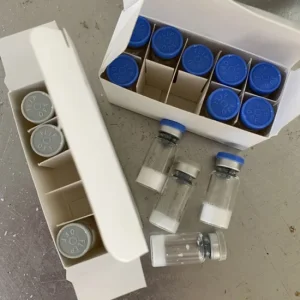
China China factory supply Triptorelin Acetate 2mg 5mg Injection Manufacturer, Factory
Inquire Now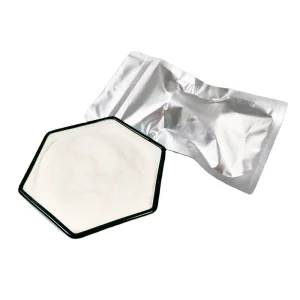
China Viagra/Sildenafil Powder CAS:139755-83-2 with fast delivery Manufacturers, Products
Inquire Now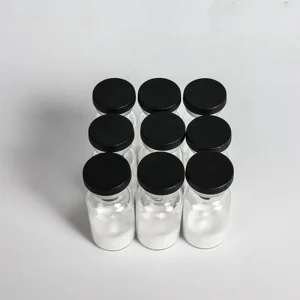
China Niraparib CAS NO.1038915-60-4 Manufacturer, Products
Inquire Now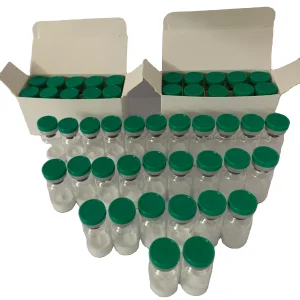
China China Follistatin 344 1mg in stock Manufacturers, Factories
Inquire Now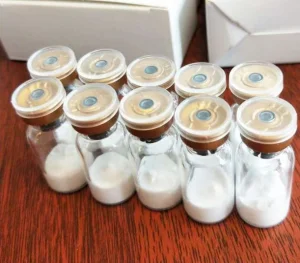
Buy Ghrp-6 2mg 5mg 10mg Vials Factory supply Manufacturers, Supplier
Inquire Now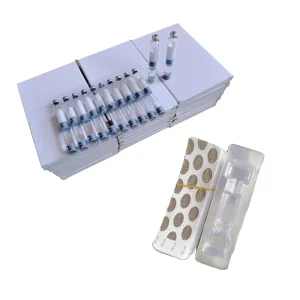
Buy Tesamorelin Injection 2mg 5mg 100%delivery provide customs clearance in Stock Suppliers, Products
Inquire Now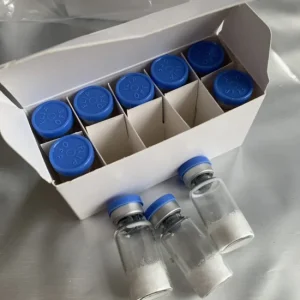
Buy The lowest price CJC 1295 DAC 2mg Suppliers, Products
Inquire Now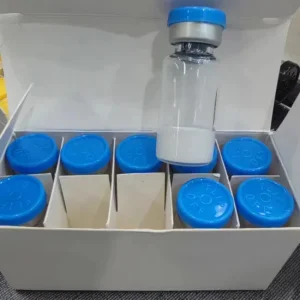
China 99% HCG 5000iu Factory supply Product, Products
Inquire Now
