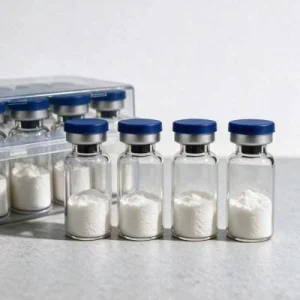
Verified laboratory and pilot-scale raw materials delivered with complete batch analytical data, HPLC purity profiling, and dedicated international logistics support.
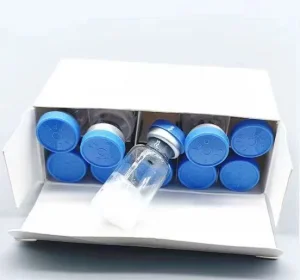
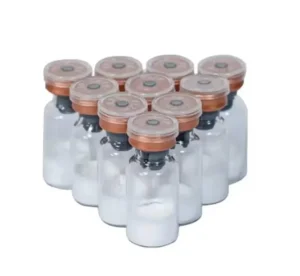
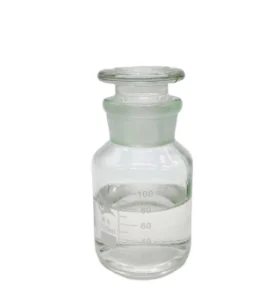
Comprehensive physicochemical profiling of 4-Methoxybenzoic Acid (p-Anisic Acid) engineered for high-demand pharmaceutical synthesis, clean-label cosmetic formulations, and specialty electronics manufacturing.
4-Methoxybenzoic acid (CAS 100-09-4, empirical formula C8H8O3, MW 152.15 g/mol) consists of a benzene ring substituted by a para-oriented methoxy group (-OCH3) and a carboxylic acid moiety (-COOH). Also commonly designated as p-anisic acid or draconic acid, this bifunctional aromatic structure exhibits high thermal stability and resonance-stabilized reactivity, making it a critical synthon in organic synthesis and electrophilic aromatic substitution sequences.
Our industrial production units utilize catalytic liquid-phase continuous oxidation, coupled with multi-stage recrystallization. Each commercial lot delivers an absolute assay exceeding 99.5% by HPLC/GC, maintaining individual organic impurities below 0.10%. Rigorous removal of residual heavy metals (Pb, As, Cd, Hg < 2 ppm combined) and strict moisture management (< 0.5% KF) prevents unwanted side reactions during high-value downstream synthesis campaigns.
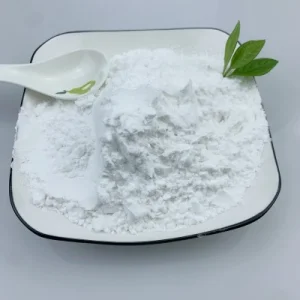
Presenting as high-density white crystalline needles or crystalline powder, p-anisic acid exhibits a sharp melting range of 182.0 °C to 185.0 °C and an atmospheric boiling point of 275.0 °C. While sparingly soluble in cold aqueous phases (approx. 0.3 g/L at 20 °C), it shows marked solubility enhancement in alkaline media (forming soluble p-anisate salts) and dissolves completely in polar organic solvents like ethanol, acetone, ethyl acetate, and dimethylformamide (DMF).
| Analytical Parameter | Technical Specification Target | Test Methodology | Commercial Batch Typical |
|---|---|---|---|
| Chemical Name | 4-Methoxybenzoic acid / p-Anisic acid | IUPAC Nomenclature | Conforms |
| CAS Registry Number | 100-09-4 | Chemical Abstracts Service | Verified |
| Physical Appearance | White to off-white crystalline powder | Visual / Organoleptic | White crystalline powder |
| Purity Assay (HPLC/GC) | ≥ 99.50% (anhydrous basis) | HPLC (UV 254 nm) / GC-FID | 99.78% - 99.92% |
| Melting Point Range | 182.0 °C – 185.0 °C | Capillary Melting Apparatus | 183.2 °C – 184.4 °C |
| Loss on Drying (LOD) | ≤ 0.50% (w/w) | Gravimetric (105 °C, 2 hrs) | 0.18% |
| Residue on Ignition (Sulfated Ash) | ≤ 0.10% (w/w) | Muffle Furnace (800 °C) | 0.03% |
| Total Heavy Metals (as Pb) | ≤ 10 ppm (Individual: As, Pb, Cd ≤ 1 ppm) | ICP-MS / ICP-OES | < 2 ppm |
| Individual Related Impurities | ≤ 0.15% (e.g., 2-methoxybenzoic acid, benzoic acid) | HPLC Chromatographic profiling | < 0.05% |
How 4-Methoxybenzoic Acid unlocks competitive advantage across pharmaceutical drug discovery, clean-label personal care preservative booster systems, and high-performance optoelectronics.
CAS 100-09-4 acts as an indispensable chemical precursor in the manufacture of nootropic agents, cardiovascular compounds, and anti-inflammatory molecules. Most notably, it is the key starting building block for the synthesis of Aniracetam (1-(4-methoxybenzoyl)-2-pyrrolidinone) through chlorination to 4-methoxybenzoyl chloride followed by coupling with 2-pyrrolidone. Drug developers rely on our ultra-low halogen impurity profile to maintain strict cGMP purity criteria and eliminate genotoxic nitrosamine precursors.
Under INCI designation p-Anisic Acid, CAS 100-09-4 has become the gold-standard multifunction active in modern "preservative-free" and paraben-free skincare formulations. Acting through membrane permeability modulation, it displays potent broad-spectrum fungicidal activity, specifically targeting Aspergillus brasiliensis and Candida albicans. Simultaneously functioning as a natural scent-masking agent and anti-tyrosinase skin tone evening agent, it complies with COSMOS and Ecocert clean beauty frameworks.
With its subtle, balsamic, sweet, and anise-like aromatic signature, 4-methoxybenzoic acid serves as an essential fixative and modifier in fragrance concentrates. In flavor chemistry, FEMA and GRAS recognized derivatives of p-anisic acid are utilized to build natural vanilla, licorice, caramel, and botanical fruit profiles. It exhibits outstanding chemical stability against photolytic breakdown in fine perfume formulations, stabilizing volatile top notes over long shelf lives.
In advanced optoelectronics, the rigid, highly polarizable 4-substituted aromatic core makes CAS 100-09-4 a premier monomer for synthesizing thermotropic liquid crystalline polymers (LCPs) and nematic liquid crystal phases for optical displays. Reacting p-anisic acid into rod-like ester or biphenyl mesogenic molecules generates high dielectric anisotropy and quick electro-optical response times in flat-panel display layers.
In high-potency agrochemical design, p-anisic acid intermediates serve as the structural backbone for next-generation fungicides, selective herbicides, and botanical defense triggers. The methoxy substituent alters the lipophilicity (logP ∼ 1.96) of bioactive conjugates, enhancing cellular uptake across plant cuticles and microbial cell walls while preventing environmental persistence through straightforward bio-mineralization pathways.
A macro-economic analysis of supply dynamics, global production bottlenecks, raw material upstream volatility, and compliance mandates across Western and Asian industrial hubs.
The global 4-Methoxybenzoic Acid market represents a high-growth valuation driven primarily by the clean-beauty shift away from traditional phenoxyethanol and paraben preservatives. Annual compound growth (CAGR) is estimated at 6.4% through 2032. While pharmaceutical-grade consumption remains steady with ongoing production of nootropic APIs, cosmetic-grade p-anisic acid demand has experienced unprecedented acceleration across North American and European contract manufacturing organizations (CMOs).
Industrial synthesis of CAS 100-09-4 heavily hinges on upstream availability of p-cresol, anisole, or 4-methoxybenzaldehyde (p-anisaldehyde). Traditional oxidation routes involving stoichiometric potassium permanganate or hazardous chromic acid have been phased out globally due to severe environmental effluent penalties. Modern continuous catalytic aerial oxidation requires sophisticated transition-metal catalyst systems (Co/Mn/Br), requiring capital-intensive production facilities that concentrate global production volume within audited industrial parks.
Navigating chemical tariff regimes (including US Section 301 tariffs and European antidumping reviews) necessitates flexible supply chain architecture. As an integrated manufacturer, we provide international buyers with comprehensive tariff-classification optimization (HS Code: 2918.99.0000), audited Certificates of Origin (COO), and localized warehouse staging hubs in Rotterdam, Singapore, and Chicago to insulate downstream production schedules from maritime freight volatility.
Request certified batch analytical packets, sample quantities (100g to 5kg), and complete safety dossiers (SDS, TDS, TSE/BSE, Kosher/Halal statements) from our regulatory affairs engineering desk.
Uncompromising adherence to international regulatory standards, full REACH tonnage registrations, and meticulous export packaging safety engineering.
Our 4-Methoxybenzoic Acid is fully registered across primary international chemical inventories: EU REACH (tonnage band >1000 MT/year with active Lead Dossier alignment), US EPA Toxic Substances Control Act (TSCA active inventory), China IECSC, Japan ENCS, Korea K-REACH, and Australia AICS. This guarantees frictionless importation and regulatory safety across all major sovereign markets without supply interruptions.
Production operations operate strictly within an ISO 9001:2015 and ISO 14001 certified manufacturing ecosystem. For pharmaceutical intermediate clients, cleanroom synthesis and packaging are backed by ICH Q7 cGMP compliance guidelines, complete with change control notification agreements, batch process validation records, and dedicated annual vendor audit availability.
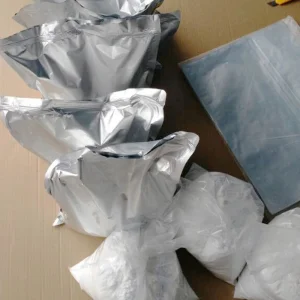
CAS 100-09-4 is classified as non-hazardous for transportation under DOT, IMDG, and IATA regulations (Not Restricted). We provide customized industrial packaging formats including standard 25kg fiber drums with double high-density polyethylene (HDPE) anti-static inner liners, 500kg FIBC super sacks, and bulk palletization with shrink-wrap moisture barriers, ensuring product integrity during ocean transit.
A closed-loop quality control methodology ensuring uncompromising batch-to-batch homogeneity, documented trace chemistry, and complete commercial validation.
Raw p-anisaldehyde or intermediate fractions undergo pre-qualification screening via GC-MS to confirm zero organohalogen or nitrosamine precursors.
Precision liquid-phase continuous catalytic oxidation within titanium-lined reactors under monitored oxygen partial pressure and temperature controls.
Multi-cycle dissolution, activated charcoal decolorization, and fractional crystallization isolates high-purity needle crystals while stripping related isomers.
Independent QC release testing: HPLC assay (≥99.5%), heavy metal ICP-MS screening, melting point verification, and Karl Fischer moisture titrations.
Automated inert-nitrogen purged sealing into tamper-evident drums with cross-referenced batch serials, paired directly with an authorized lot COA.
Pioneering sustainable chemical production models through decarbonization, continuous flow chemistry, and renewable precursor integration.
Transitioning from conventional batch reactors to microchannel continuous flow synthesis represents our core engineering milestone. Continuous microreactors provide unmatched heat dissipation and instantaneous stoichiometry control, reducing thermal degradation by-products, cutting reaction residence times from hours to seconds, and lowering operational carbon intensity by 34% per metric ton.
In response to stringent European green cosmetics requirements, our R&D division is scaling up a 100% natural, bio-based p-anisic acid derived from biotechnology routes. Utilizing bio-derived anethole (from star anise oil) or lignin-derived ferulic acid precursors through microbial biocatalysis, this pathway delivers a renewable carbon index (RCI) of 1.0, satisfying ISO 16128 natural cosmetic standard requirements.
Our closed-loop solvent reclamation units recover over 96.5% of crystallizing solvents via on-site fractional distillation towers. By eliminating open hazardous wastewater discharge and replacing heavy-fuel boilers with clean biomass and electrical grid power, our production footprint aligns with Tier-1 multinational corporate ESG (Environmental, Social, and Governance) vendor mandates.
Direct, verified answers to the most common questions raised by chemical sourcing managers, formulation chemists, and quality assurance directors.
Explore our extensive fine chemical inventory engineered for academic research, active peptide therapeutics, and advanced metabolic biology studies.