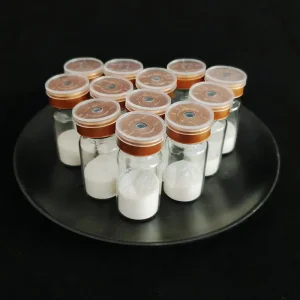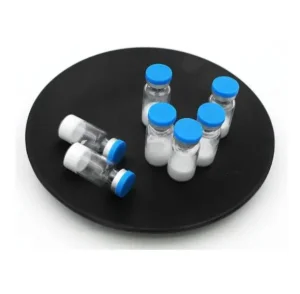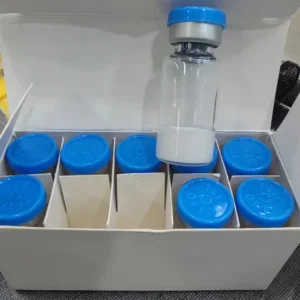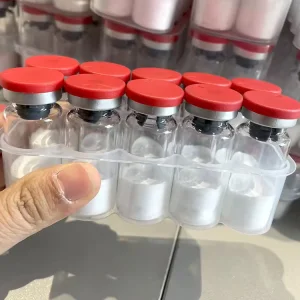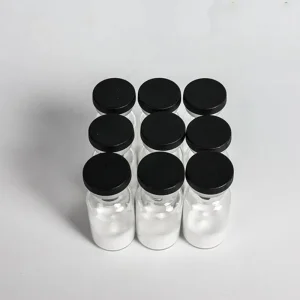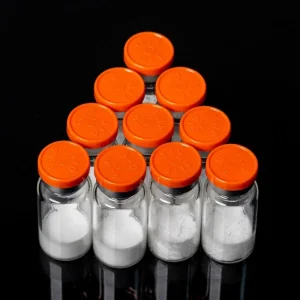
Explore our flagship certified syntheses manufactured under strict cGMP-aligned validation workflows for worldwide analytical laboratories and research institutions.
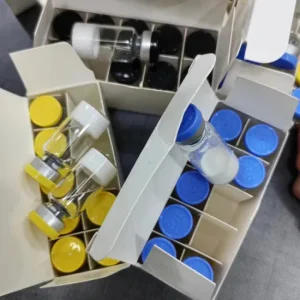
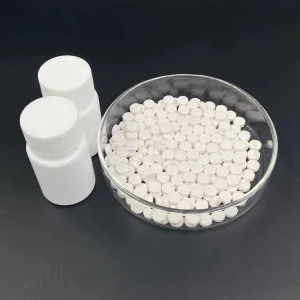
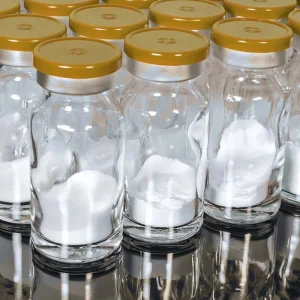
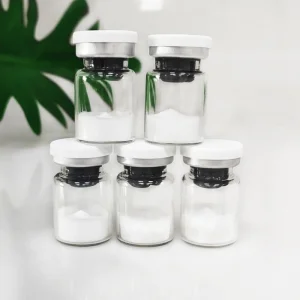
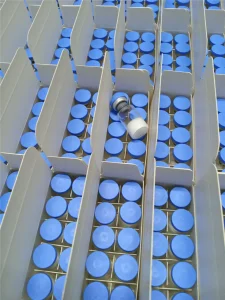
Detailed technical specifications, physical characteristics, and verified analytical baselines for chemical syntheses and procurement evaluation.
4-Amino-3,5-dichloro-alpha-[[(1,1-dimethylethyl)amino]methyl]benzenemethanol structures verified by FT-IR, proton and carbon NMR spectra, alongside LC-MS molecular weight verification ensuring complete absence of regioisomeric deviations.
Engineered crystalline morphology delivering thermal resistance, minimal hygroscopicity, and superior bulk density, optimized for prolonged stability across intercontinental container freight handling.
Every commercial batch is supplied with an exhaustive analytical dossier including UV-Vis peak verification, Karl Fischer moisture validation, and heavy metal testing via ICP-MS under 10 ppm.
| Analytical Parameter | Reference Specification | Observed Factory Baseline | Validation Methodology |
|---|---|---|---|
| CAS Registry Number | 37148-47-3 | 37148-47-3 (Verified) | Chemical Structure Matching |
| Appearance | Off-white to pale crystalline powder | Conforms to Reference Standard | Visual / Photometric Inspection |
| Assay Purity (HPLC) | ≥ 98.5% | 99.20% - 99.65% | Reversed-Phase HPLC (Area Normalization) |
| Residual Solvents | Meets ICH Q3C Guidelines (Methanol, EtOH) | Below Limit of Quantitation (LOQ) | Headspace Gas Chromatography (GC-MS) |
| Heavy Metals Content | ≤ 10 ppm | < 5 ppm Total Heavy Metals | Inductively Coupled Plasma (ICP-MS) |
Cas 37148-47-3 serves as a pivotal chemical building block and synthetic intermediary across differentiated technical sectors worldwide.
Serves as a fundamental aromatic intermediate in the synthesis pathways for selective beta-2 adrenoceptor agonists, utilized by pilot pharmaceutical development teams studying bronchial and pulmonary formulations.
Employed in tightly monitored localized biochemical studies focusing on metabolic rate manipulation, nutrient repartitioning mechanisms, and comparative animal pulmonary physiology.
Required by commercial testing laboratories, forensic facilities, and regulatory agencies to establish quantitative baseline calibrations in chromatographic screening procedures (HPLC/GC-MS).
Leveraging vertical upstream chemical synthesis, scalable glass-lined reactors, and strategic access to raw precursors to insulate global clients from price spikes and inventory disruptions.
Complete control from primary precursor synthesis through fractional distillation to the final crystallization envelope, shielding procurement managers from intermediary markups.
Pre-packaged certified inventories stored in temperature- and humidity-monitored facilities across bonded logistics zones for expedited air and multimodal ocean dispatch.
Packaging solutions from 100g amber glass laboratory containers up to 25kg multi-ply fiber drums with customized batch code correlation, tamper-evident seals, and barcoded traceability.
Streamlined export clearance, dangerous goods classifications, and complete international documentation (COA, MSDS, COO) delivered within 24 business hours of order placement.
Iterative engineering milestones establishing cleaner, greener, and higher-yield synthetic procedures for Cas 37148-47-3 production through 2026 and beyond.
Transitioning from batch reactors to continuous micro-channel reactors to eliminate hot-spots during chlorination steps, boosting purity above 99.5%.
Closed-loop organic solvent cycling systems lowering process VOC emissions by 85% and cutting industrial waste output across full run cycles.
Eliminating non-renewable transition metal catalysts in favor of recyclable biocatalysts and advanced heterogeneous matrix supports.
Deployment of real-time Process Analytical Technology (PAT) incorporating in-line NIR and Raman spectroscopy for instantaneous fault correction.
Integration of low-emission industrial processing coupled with audited carbon-offset container freight partnerships worldwide.
Understanding regional regulatory landscapes, importation declarations, and technical handling standards to ensure fully compliant supply transfers.
CAS 37148-47-3 shipments strictly intended for verified R&D organizations, analytical institutions, and secondary synthesis facilities under TSCA Section 5(h)(3) exemptions. Not sold for direct pharmaceutical consumption.
Supplied in accordance with EU scientific research and development exemptions. Provided with comprehensive SDS compliant with EU Regulation (EC) No 1907/2006 (REACH) and CLP classification requirements.
Our dedicated regulatory department issues Certificate of Analysis (COA), Safety Data Sheets (SDS), Technical Data Sheets (TDS), Declarations of Conformity, and Non-Restricted Good Declarations for hassle-free customs clearance.
Detailed answers covering purity baselines, supply logistics, storage parameters, and order qualification.
Our factory-produced Cas 37148-47-3 maintains a minimum chromatographic purity of 98.5%, with prime industrial batches frequently exceeding 99.2% as verified by Reversed-Phase High-Performance Liquid Chromatography (HPLC).
Every batch dispatch includes a lot-specific Certificate of Analysis (COA) containing HPLC, MS, and LOD findings, alongside an updated 16-section GHS Safety Data Sheet (SDS) and customs clearance commercial invoices.
Cas 37148-47-3 should be preserved in tightly sealed, light-resistant containers stored in a cool, dry, well-ventilated area away from strong oxidizing agents, ideally maintained at controlled room temperature (15°C to 25°C).
Yes. We accommodate non-commercial sample evaluations (100g - 1kg) for qualification testing, rapidly transitioning into multi-ton recurring container schedules supported by our scalable reactor infrastructure.
Explore our full line of specialized small molecules, research peptides, and fine chemical building blocks backed by rigorous analytical release criteria.