Verified laboratory reagents, reference standards, and precision biochemical powders backed by strict batch qualification protocols.

A comprehensive technical assessment for procurement executives, quality assurance directors, and pharmaceutical manufacturing partners worldwide.
Navigating the stringent standards across USP, Ph. Eur., and JP requires unmatched precision in impurity profiling. Sourcing high-quality Lidocaine Hydrochloride involves systematic limits on key organic related substances, including 2,6-dimethylaniline, under strict thresholds (<0.01% w/w) to eliminate mutagenic downstream risks.
Global disruption patterns emphasize the need for backward-integrated chemical synthesis. Qualified Lidocaine HCl suppliers mitigate vulnerability by maintaining dedicated production pipelines for 2,6-xylidine and diethylamine intermediates, avoiding raw material bottlenecks and single-source dependencies.
Institutional procurement relies heavily on continuous regulatory support. Complete Drug Master Files (Type II DMF) with the US FDA, CEP (Certificate of Suitability) certifications from EDQM, and validated Stability Study Reports under ICH Q1A(R2) conditions differentiate genuine primary producers from secondary traders.
Continuous flow chemistry, automated process analytical technologies (PAT), and zero-discharge environmental compliance standards.
Continuous microchannel reaction engineering mitigates exothermicity during the acylation phase of 2,6-xylidine with chloroacetyl chloride, dramatically narrowing byproduct distribution and optimizing reaction yields to unprecedented levels.
Given the secondary and tertiary amine chemistry inherent to amino amide anesthetics, rigorous risk mitigation workflows detect volatile nitrosamines (NDMA, NDEA) down to trace parts-per-billion (ppb) utilizing advanced LC-MS/MS platforms.
Lidocaine Hydrochloride Monohydrate stability dictates dissolution velocity in secondary manufacturing. Controlled anti-solvent crystallization parameters prevent amorphous transformation, delivering uniform crystal size distribution (CSD) tailored for high-speed tableting and sterile injection filling lines.
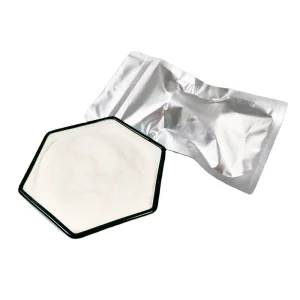
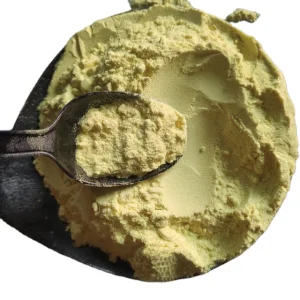
Systematic formulation requirements determine precise physical properties of the supplied Lidocaine Hydrochloride powder.
| Application Vector | Physicochemical Requirement | Endotoxin / Bioburden Limits | Key Downstream Use Case |
|---|---|---|---|
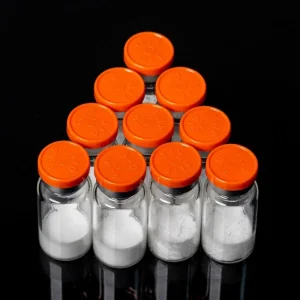
| Sterile Injectable Vials | Aseptic crystallization, strictly controlled crystal morphology (D50: 25-45µm) | Endotoxins < 0.1 EU/mg | Infiltration anesthesia, nerve blocks, epidural, and acute ventricular arrhythmia interventions. |
| Transdermal Patches & Hydrogels | Controlled moisture content (5.5% - 7.0%), rapid organic solvent dissolution | Standard pharmaceutical limits | Targeted pain patches for post-herpetic neuralgia and localized musculoskeletal distress. |
| Topical Gels & Aerosols | Micronized grades available (D90 < 15µm) for suspension homogeneity | Validated microbial limits (TAMC/TYMC) | Endoscopic lubrication, dental mucosa desensitization, and surface anesthesia formulations. |
| Veterinary Formulations | Bulk packaging adaptability, high chemical assay consistency (≥99.5%) | EP/USP veterinary monograph criteria | Major and minor livestock veterinary procedures and localized therapeutic relief. |
Meeting the multi-layered governance required by Tier-1 CDMOs, generic drug producers, and compounding facilities.
Every commercial consignment is released alongside complete analytical testing: validated HPLC purity traces, mass spectrometry identity checks, residual solvents analysis (USP <467>), and heavy metal screens.
Pharmaceutical-grade multi-layer hermetic packaging: pharmaceutical polyethylene inner liners, food/pharma grade aluminum barrier foil, and UN-certified fiberboard or tamper-sealed steel containment vessels.
Dedicated quality assurance teams facilitate third-party laboratory audits, site visits, and comprehensive documentation queries, ensuring rapid response to CAPA reviews and process re-validations.
End-to-end ERP batch tracking ensures total genealogical traceability from precursor synthesis batches down to secondary distributor delivery confirmation and customs clearance milestones.
Essential guidance on chemical specification, storage compliance, logistics, and quality assurance.
Lidocaine Free Base (CAS 137-58-6) is sparingly soluble in water and predominantly used in non-aqueous topical formulations, patches, and lipophilic creams. Lidocaine Hydrochloride (CAS 73-78-9 / Monohydrate CAS 6108-05-0) is an ionic salt exhibiting high aqueous solubility, making it the required chemical species for parenteral solutions, dental cartridges, and hydrophilic gels.
Our validated synthetic pathway uses optimized washing, recrystallization, and scavenge stages to guarantee that unreacted 2,6-dimethylaniline levels consistently measure well below the ICH M7 Threshold of Toxicological Concern (TTC), typically under 10 ppm, confirmed via high-resolution Gas Chromatography-Mass Spectrometry (GC-MS).
Every commercial consignment includes a comprehensive Batch Certificate of Analysis (COA), Safety Data Sheet (SDS) compliant with GHS, BSE/TSE-free certification, residual solvents statement according to USP <467>, and a Letter of Access/Open Part documentation for qualified filing authorizations.
Lidocaine HCl Monohydrate should be stored in tight, light-resistant containers at controlled room temperature (20°C to 25°C, with excursions permitted between 15°C and 30°C). Under validated storage conditions, raw API material demonstrates a retest period of up to 60 months with zero degradation beyond USP monograph tolerances.
Explore our extensive portfolio of high-purity small molecules, pharmaceutical actives, and advanced bio-conjugates.