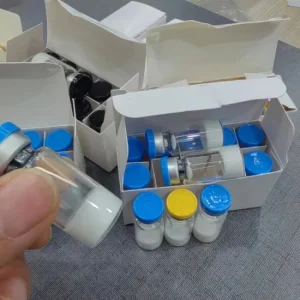
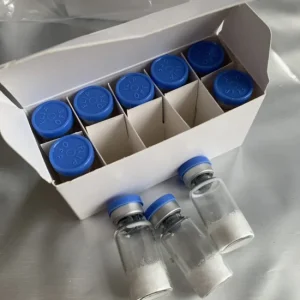
Verified laboratory reagents, high-purity APIs, and research peptide analogues fabricated in accordance with rigorous HPLC/MS chromatographic purity verification protocols.
A rigorous industrial perspective on therapeutic transdermal delivery: bridging API chemical stability, micro-reservoir matrix polymerization, and high-throughput cGMP patch production.
The modern transdermal delivery sector represents one of the most clinically and technologically exacting segments of pharmaceutical engineering. Originally commercialized under proprietary formulations containing 5% Lidocaine in an aqueous adhesive base, Lidoderm (Lidocaine Transdermal Delivery System) has emerged as the definitive global benchmark for non-systemic, targeted neuropathic analgesia. Operating through the reversible inhibition of voltage-gated sodium channels (VGSCs) within peripheral primary afferent cutaneous fibers, Lidoderm achieves clinically effective, localized neurosensory blockade without the deleterious pharmacokinetic peaks, gastrointestinal side effects, or central nervous system toxicity typically accompanied by oral antiepileptics, tricyclic antidepressants, and systemic opioids.
For industrial buyers, hospital formulary directors, and international drug contract manufacturing organizations (CDMOs), navigating the high-quality Lidoderm factory ecosystem demands an exhaustive understanding of interfacial chemistry, thermodynamics of continuous diffusion, and polymer matrix rheology. Transdermal Lidocaine requires steady flux rates across the human stratum corneum over extended wear cycles (typically 12-hour active residence regimens), necessitating strict adherence to cohesive adhesive integrity, moisture vapor transmission rates (MVTR), and minimal residual monomer impurities.
Lidocaine free base versus hydrochloride salt thermodynamics. Utilizing carefully balanced co-solvents (dipropylene glycol, glycerin, and sorbitol) ensures zero supersaturation precipitation or crystal seeding during the mandatory 36-month shelf life.
Implementation of clinical-grade crosslinked polyacrylic acid and polyvinyl alcohol copolymers, offering instantaneous dermal tack without agonizing peel mechanics or epidermal stripping upon 12-hour patient removal.
Every commercial batch conforms strictly to United States Pharmacopeia (USP) and European Pharmacopoeia (Ph. Eur.) guidelines for residual solvent boundaries, skin permeation flux validation, and sterility assurance.
Analyzing key structural shifts from classical hydrogel adhesive patches toward ultra-thin drug-in-adhesive (DIA) systems, non-aqueous polymeric blends, and smart transdermal analytics.
Traditional hydrogel formulations, while soothing, possess high mass density and thickness (up to 1.5mm). Modern manufacturing roadmaps are pivoting to solvent-cast acrylic or silicone Drug-in-Adhesive (DIA) systems. DIA systems reduce patch thickness by over 60%, drastically lower production costs, enhance patient compliance, and maintain identical 5% zero-order release profiles.
Formulation innovations center around synergistic CPE cascades. Combining oleic acid, laurocapram (Azone), and moderate terpenes transiently fluidizes the highly ordered intercellular lipid bilayers of the stratum corneum without inducing cutaneous sensitization, expediting the onset of neuro-analgesia from 90 minutes down to under 25 minutes.
Modern pharmaceutical tenders strongly favor ESG-aligned fabrication. Traditional multi-layered polyester (PET) or polyurethane backings are being superseded by fully recyclable, breathable spunbond non-woven fabrics and bio-based aliphatic polyesters that minimize landfill persistence while boosting multidirectional flexibility.
Understanding the pathophysiological targeting of cutaneous allodynia, post-surgical scar mitigation, and musculoskeletal sports therapy through steady transdermal flux.
| Indication / Clinical Scenario | Target Pathophysiology | Release Mechanism | Clinical Protocol Standard | Formulary Advantage |
|---|---|---|---|---|
| Post-Herpetic Neuralgia (PHN) | Ectopic discharge in sensitized, unmyelinated C-fibers and A-delta cutaneous axons | Steady-State Hydrogel Diffusion | Apply up to 3 patches simultaneously for max 12h per 24h cycle | Zero sedation, non-addictive; gold-standard FDA first-line status |
| Diabetic Peripheral Neuropathy | Hyper-excitable peripheral somatic nociceptors and peripheral nerve ischemic stress | Sustained Local Penetration | Direct application to localized bilateral lower extremity painful zones | Bypasses hepatic first-pass metabolism and systemic drug interactions |
| Post-Operative Orthopedic Surgery | Localized surgical incision hyperalgesia and localized mechanical allodynia | Targeted Cutaneous Saturation | Peri-incisional placement (adjacent to intact closed wound edges) | Reduces postoperative parenteral opioid consumption by up to 34% |
| Cervical / Lumbar Myofascial Pain | Active trigger points within localized musculoskeletal fascia | Deep Tissue Micro-Flux | Direct placement over anatomical trigger points during active physical therapy | Rapid onset with zero motor deficit or localized muscular weakness |
| Oncology Palliative Pain Protocols | Focal bone metastases pain, cutaneous radiation dermatitis discomfort | Zero-Order Controlled Partition | Combined multi-modal integration with scheduled background analgesia | Eliminates added nausea, constipation, or cumulative hepatic metabolic burden |
From a clinical pharmacological perspective, the standout hallmark of transdermal Lidocaine 5% systems is their extraordinarily high therapeutic index. In comprehensive clinical pharmacokinetic investigations, applying three commercial Lidoderm patches concurrently for 12 hours yields a peak plasma concentration (Cmax) of merely 0.13 µg/mL. When contrasted with the antiarrhythmic or toxic threshold of systemic lidocaine (which begins between 2.0 to 5.0 µg/mL), the transdermal patch delivers powerful peripheral analgesia at roughly one-twentieth the threshold for systemic cardiotoxicity. This outstanding safety clearance renders the product an indispensable asset in modern geriatric pharmacotherapy, where polypharmacy, renal clearance decay, and hepatic insufficiency make oral options hazardous.
Deep dive into cGMP production machinery: high-shear dispersion mixers, slot-die automated precision coaters, drying convection tunnels, and Franz Diffusion Cell analytical release testing.
Our contracted industrial partner facilities leverage cleanroom Class 100,000 slot-die coating technology. Operating under continuous beta-gauge radiometric thickness sensors, the polymer-API blend is deposited onto release liners at tolerances within ±1.5 microns, ensuring absolutely uniform drug distribution across every square centimeter of manufactured laminate.
Every commercial production campaign undergoes mandatory in-vitro permeation testing (IVPT) utilizing vertical Franz diffusion cell assemblies with synthetic Strat-M® membranes or verified ex-vivo human dermatomed tissues. Flux metrics ($J_{ss}$), lag time ($t_{lag}$), and total cumulative permeated drug ($Q_{24}$) must align precisely with reference innovator curves.
Precision-controlled multi-stage convection ovens gradually drive off process solvents without creating micro-bubbles, thermal stress degradation, or uneven API volatilization. This guarantees compliant volatile organic compound (VOC) residual limits compliant with ICH Q3C Class 2 and Class 3 safety guidelines.
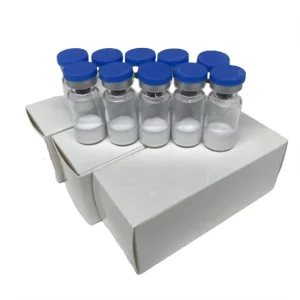
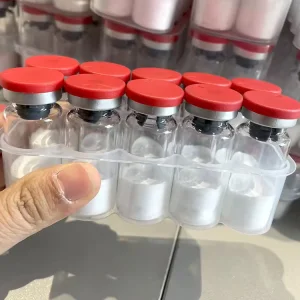
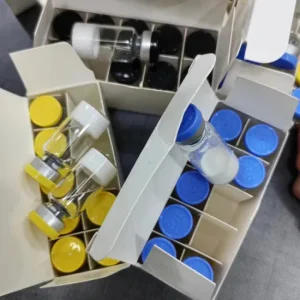
Explore our specialized portfolio of certified research reference peptides, fine biochemical intermediates, and specialty actives direct from modern synthesis workshops.

Addressing the core technical, regulatory, and logistics queries raised by corporate procurement officers, quality control auditors, and pharmaceutical distributors.

