Explore our laboratory-certified active pharmaceutical ingredients, analytical references, and high-performance signaling peptides backed by chromatographic batch documentation.
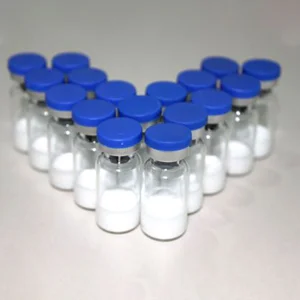
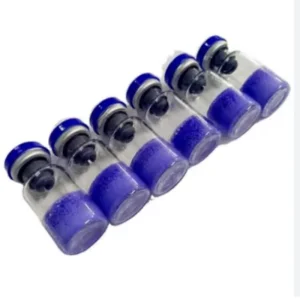
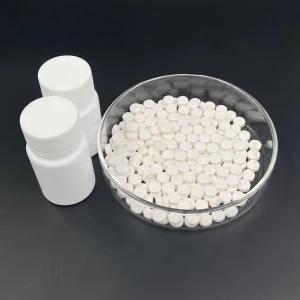
An authoritative technical breakdown for pharmaceutical developers, chemical import syndicates, contract manufacturing organizations (CMOs), and certified analytical testing facilities requiring high-integrity chemical substrates.
Phenacetin (N-(4-ethoxyphenyl)acetamide, CAS No. 62-44-2) supplied by our manufacturing units is produced strictly for laboratory diagnostics, in vitro human cytochrome P450 (specifically CYP1A2) phenotyping assays, advanced organic synthesis, and certified reference calibration standards. Direct human pharmacological consumption is regulated across international territories; buyers must ensure full downstream compliance within their respective geographic jurisdictions.
Synthesized via high-efficiency ethoxylation of 4-aminophenol followed by precise N-acetylation, achieving a crystalline matrix free from toxic p-chloroacetanilide, 4-aminophenol precursors, or heavy metallic residues.
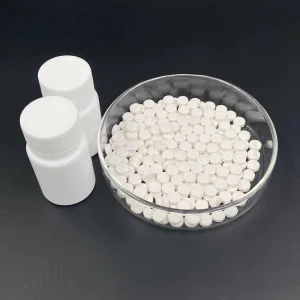
Available across differentiated granulometries: ultra-fine micronized powder (mesh 100-200) for rapid dissolution in standard testing solutions, or dense, sparkling crystalline flakes (mesh 40-60) providing superior bulk handling stability.
Every commercial consignment is released alongside complete multi-spectral characterization dossiers: Ultra-Performance Liquid Chromatography (UPLC), 1H/13C NMR, FT-IR infrared fingerprints, and Karl Fischer moisture titrations.
Our phenacetin crystals and powders meet and surpass USP, BP, and EP reference criteria for research materials. Review our baseline release specifications below:
| Analytical Parameter | USP/EP Pharmacopeial Reference | Manufacturer In-House Release Standard | Validation Method |
|---|---|---|---|
| Chemical Name | N-(4-Ethoxyphenyl)acetamide | N-(4-Ethoxyphenyl)acetamide | IUPAC Nomenclature |
| CAS Registry Number | 62-44-2 | 62-44-2 | Chemical Abstracts Service |
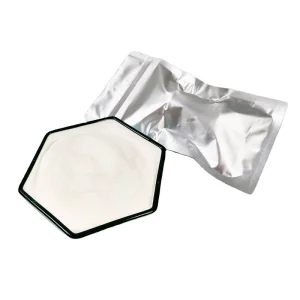
| Appearance | White crystalline powder or glistening scales | Pure white glistening crystals or crystalline powder | Visual / Microscopic Inspection |
| Assay (Purity) | 98.0% – 101.0% (dried basis) | ≥ 99.80% (HPLC Area Normalization) | HPLC (UV Detection at 254 nm) |
| Melting Point Range | 134.0°C – 137.0°C | 134.5°C – 136.0°C (Sharp Transition) | Capillary Melting Apparatus |
| Loss on Drying (Moisture) | ≤ 0.50% | ≤ 0.15% | Karl Fischer / Gravimetric Oven at 105°C |
| Residue on Ignition (Ash) | ≤ 0.10% | ≤ 0.03% | Muffle Furnace Ashing (600°C) |
| 4-Aminophenol Impurity | ≤ 0.005% (50 ppm) | Not Detected (< 5 ppm) | Colorimetric Spectrophotometry |
| Residual Solvents (ICH Q3C) | Within Limits (Class 2 & 3) | Ethanol < 500 ppm, Toluene < 50 ppm | Headspace GC-FID / GC-MS |
| Heavy Metals (Pb, Cd, Hg, As) | ≤ 10 ppm total | ≤ 2 ppm total | ICP-MS Inductively Coupled Plasma |
In global chemical commerce, structural dependability begins at basic raw material integration. Miaoou’s manufacturing facilities in Hebei leverage deep local industrial clusters to safeguard continuous raw material availability.
By producing our own 4-aminophenol and running dedicated ethylation and acetylation loops within certified industrial parks, our facilities remain resilient to upstream market oscillations. Global clients benefit from locked, cost-effective pricing structures without surprise raw material surcharges.
Equipped with 316L stainless-steel jacketed reactors and computerized temperature crystallization loops, our crystallization kinetics prevent agglomeration, guaranteeing homogenous crystal structure batch after batch. Automated filtering and vacuum drying protect product integrity against atmospheric contaminants.
Our factory adheres strictly to national green chemical park standards, featuring state-of-the-art closed-circuit solvent recovery systems (over 94% ethanol recovery rate), advanced catalytic scrubbers, and biological wastewater neutralizers, eliminating environmental production shutdown vulnerabilities.
Procuring fine chemical raw materials globally requires navigating intricate international customs mandates, technical documentation needs, and customized logistics channels. We provide comprehensive enterprise support tailored to North American, European, and Asia-Pacific markets.
Every commercial order is accompanied by our verified documentation package: 16-section GHS Safety Data Sheets (SDS), signed Certificate of Analysis (COA), BSE/TSE-free declarations, Residual Solvent Statements, Non-GMO confirmations, and origin certification.
We eliminate friction for qualified corporate buyers through customized freight terms (FOB, CIF, CFR, and fully cleared DDP service). Our seasoned compliance department coordinates Harmonized System (HS code: 2924299090) clearance directly with regional customs brokers.
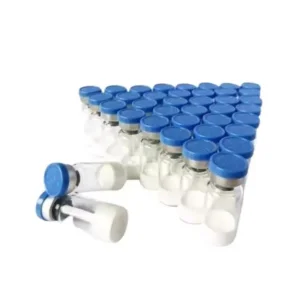
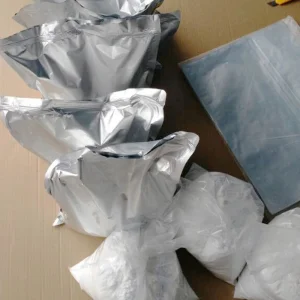
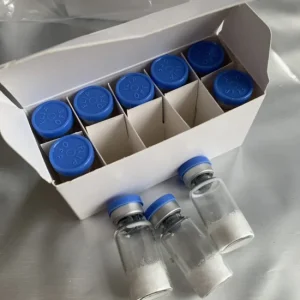
From R&D sample packaging in 100g, 500g, and 1kg tamper-evident amber glass or vacuum-sealed aluminum pouches, up to bulk commercial supply in 25kg UN-approved fiber drums with dual inner polyethylene lining, our packing ensures moisture-free transport across maritime and air routes.
Phenacetin functions as an essential, high-specificity chemical compound across multiple academic, biomedical, and industrial testing environments.
In modern drug discovery and in vitro pharmacokinetic toxicology (ADMET) platforms, phenacetin is recognized globally as the gold-standard probe substrate for evaluating the metabolic clearance and catalytic inhibition profile of Cytochrome P450 1A2 (CYP1A2). Its O-deethylation to acetaminophen serves as a quantifiable enzymatic milestone across human liver microsomes (HLM) and recombinant enzyme panels.
Analytical testing labs and university chemistry institutes utilize our ultra-pure phenacetin as an internal calibrate for Liquid Chromatography (HPLC/UHPLC), Gas Chromatography-Mass Spectrometry (GC-MS), and infrared spectroscopy. Its stable melting behavior (134.5–136°C) also establishes it as a standard calibration compound for differential scanning calorimetry (DSC) instrumentation.
Beyond bio-testing, phenacetin provides a reliable phenetidine structural backbone for organic synthesizing units developing light stabilizers, organic pigments, rubber antioxidants, and heterocyclic agrochemical building blocks, where absence of aromatic amine impurities is crucial to downstream yield.
Understanding shifting regulatory controls, supply dynamics, and technology investments driving the fine chemical sector.
Historically, commercial technical grade material allowed trace aromatic precursors. Today, tier-1 pharmaceutical screening demands HPLC purity exceeding 99.8% with zero detectable genotoxic impurities, prompting manufacturers to adopt advanced catalytic hydrogenation and recrystallization protocols.
Tighter environmental and safety audits across Asia have phased out small, inefficient synthesis workshops. Production is now concentrated within large-scale, automated fine chemical parks that guarantee round-the-year regulatory stability, uninterrupted energy supply, and verified occupational health standards.
To combat the dispersion of substandard chemical grades across intermediary brokers, direct manufacturer-to-client verification is becoming standard. Every Miaoou drum features an encrypted QR validation code linking directly to the original laboratory batch release file and raw chromatograms.
Direct, transparent answers regarding analytical documentation, minimum orders, customs compliance, and physical handling parameters.
Review our extended laboratory supply index. Access HPLC verification data, factory-direct lot assignments, and customized bulk packaging on demand.
Connect directly with our senior chemical engineering team and international export coordinators. We provide batch-specific documentation, custom sample packaging, and CIF/DDP quotes within 24 business hours.

