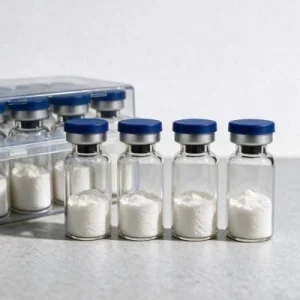
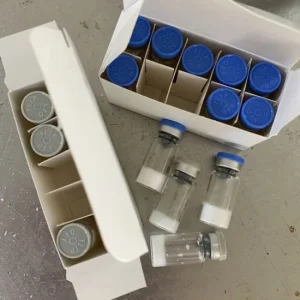
Explore commercial batches, verified synthesis intermediates, and specialized APIs with third-party analytical COAs and worldwide cold-chain or secure freight delivery.

Technical evaluation, molecular kinetics, and high-precision quality control benchmarks for international supply chain validation.
In modern synthetic organic chemistry and bulk fine-chemical procurement, CAS 103-63-9, systematically designated as (2-Bromoethyl)benzene and frequently identified in commercial trade as Phenethyl Bromide or β-Bromophenylethane, represents an indispensable bifunctional organobromine building block. Possessing the empirical chemical formula C8H9Br and a formula weight of 185.06 g/mol, this colorless to pale-yellow aromatic haloalkane functions as an exceptionally reactive phenethylating synthon across diverse commercial manufacturing corridors.
Because the primary carbon center at the β-position relative to the phenyl group is linked directly to a labile bromine leaving group, (2-Bromoethyl)benzene exhibits elevated electrophilic susceptibility towards nucleophilic attack. This reactive configuration makes it ideal for SN2 nucleophilic substitutions, metal-mediated cross-coupling reactions, Grignard reagent formations, and Phase-Transfer Catalyzed (PTC) alkylation protocols. Global demand continues to expand across pharmaceutical synthesis (active pharmaceutical ingredient intermediates), agrochemical crop defense formulations, specialty quaternary ammonium antimicrobial surfactants, and advanced materials engineering.
| Analytical Parameter | Technical Specification | Analytical Protocol | Commercial Significance |
|---|---|---|---|
| Chemical Name | (2-Bromoethyl)benzene / Phenethyl Bromide | IUPAC / CAS Nomenclature | CAS Registry Number: 103-63-9 |
| Assay / Chemical Purity | ≥ 99.0% (Pharma Grade ≥ 99.5%) | Gas Chromatography (GC-FID) | Prevents downstream alkylated isomeric impurities |
| Physical Appearance | Clear, colorless to light straw liquid | Visual Inspection | Free of suspended solids and insoluble particulate |
| Refractive Index (n 20/D) | 1.5560 – 1.5600 | Abbe Refractometry | Optical purity and optical density verification |
| Boiling Point | 220 – 222 °C (at 760 mmHg) | Atmospheric / Distillation | High thermal stability during industrial solvent recovery |
| Moisture Content (H2O) | ≤ 500 ppm (≤ 0.05% w/w) | Karl Fischer Coulometric Titration | Critical for moisture-sensitive organometallic reactions |
| Free Bromine (Br2) Residual | ≤ 50 ppm | Iodometric Titration / UV-Vis | Eliminates oxidative discoloration & vessel corrosion |
| Hazard / Logistics Class | Class 9 / Non-regulated (Dependent on route) | UN Model Regulations / GHS Rev 9 | UN 3082 or regulated transport specs per carrier |
Strategic macro-analysis of international demand patterns, multi-regional trade flows, and production capacity distribution.
The pharmaceutical innovator and specialty fine-chemical sectors across North America (United States, Canada) and Western Europe (Germany, Switzerland, Belgium, UK) drive substantial bulk imports of CAS 103-63-9. These regions prioritize stringent compliance documentation, including full REACH dossiers, audited EHS certifications, and reproducible impurity profiling to satisfy cGMP regulatory thresholds.
Legacy batch bromination processes frequently generated unwanted side products, including α-brominated impurities and dibromo derivatives. Global demand has shifted dramatically toward manufacturing plants running micro-channel continuous flow reactors. Continuous flow ensures exceptional temperature moderation, narrower residence time distribution, and precise stoichiometric halogenation.
Surging global investment into heterocyclic pharmaceutical candidates, peptide drug conjugates, and advanced crop fungicides has elevated CAS 103-63-9 from a commoditized intermediate into a mission-critical strategic feedstock. Enterprise buyers prioritize secured long-term off-take contracts to hedge against spot price volatility in elemental bromine.
Industrial production of (2-Bromoethyl)benzene relies heavily on hydrobromic acid (HBr) or phosphorus tribromide (PBr3) bromination routes of 2-phenylethanol. Contemporary Tier-1 Chinese chemical manufacturing facilities deploy closed-loop acid-scrubbing units that capture gaseous HBr emissions, converting them back into technical-grade salts or recycled reagents with greater than 98.5% recovery efficiency. This green engineering transition shields international procurement partners from sudden plant shutdowns during government environmental audits.
Why multinational corporations, contract manufacturing organizations (CMOs), and chemical trading conglomerates consolidate CAS 103-63-9 procurement in Chinese industrial chemical clusters.
China's centralized chemical clusters (notably in Shandong and Hebei provinces) host massive subterranean brine and sea-salt bromine extraction plants. Direct pipeline or localized transport of liquid bromine (Br2) and hydrobromic acid guarantees consistent raw material availability at stable, factory-gate pricing.
Modern Chinese production plants operate automated continuous vacuum fractionation towers. This high-efficiency engineering infrastructure allows our partners to consistently produce CAS 103-63-9 with gas chromatographic assays exceeding 99.2% to 99.5%, stripping volatile organics and heavy polymers with minimal energy consumption.
China-based exporters maintain established regulatory documentation units capable of issuing batch-specific Certificates of Analysis (COA), full GC-MS spectra, 1H-NMR reports, OSHA-compliant SDS/MSDS sheets (in English, Spanish, German, French), and customs dangerous goods packaging certificates.
Proximity to world-class container terminal ports including Qingdao, Tianjin, Shanghai, and Ningbo facilitates uninterrupted ISO tank and drum container departures. Experienced freight forwarders manage double-declaration customs protocols, reducing port dwell times to under 48 hours for standard international container shipments.
Strategic deployment of (2-Bromoethyl)benzene in active pharmaceutical manufacturing, agrochemical synthesis, and specialized chemical derivatizations.
Phenethyl Bromide is extensively utilized to incorporate phenethyl moieties into central nervous system (CNS) active compounds, analgesic therapeutics, antihistamines, and vasodilators. In particular, it is deployed in the synthesis of phenethyl-substituted piperidines, morpholines, and tetrahydropyridines, where the phenethyl arm enhances lipophilicity and receptor binding affinity.
Reaction of CAS 103-63-9 with tertiary alkyl amines yields phenethyl-functionalized quaternary ammonium halides. These specialty cationic surfactants serve as potent phase-transfer catalysts, industrial corrosion inhibitors in oilfield drilling applications, and broad-spectrum antimicrobial disinfectants with reduced environmental persistence.
In modern agrochemical synthesis, CAS 103-63-9 serves as an essential intermediate in the manufacturing of targeted fungicides, selective herbicides, and insect growth regulators. Incorporating the phenethyl skeleton confers tailored metabolic stability in outdoor field environments while optimizing target organism bio-availability.
Through conversion into phenethyl magnesium bromide (Grignard reagent) or via zinc-mediated Reformatsky-type couplings, CAS 103-63-9 enables the direct homologation of carbonyl compounds. It is also a favored substrate for transition-metal catalyzed Suzuki-Miyaura and Kumada cross-couplings for organic electronic polymers.
Nucleophilic displacement of the primary bromide by organic carboxylates produces phenethyl esters (such as phenethyl acetate, isobutyrate, and cinnamate). These compounds serve as vital aroma ingredients in commercial perfume formulations and food-grade flavor concentrates, imparting natural floral, rose, and honey notes.
In specialized peptide and complex oligomer synthesis, phenethyl groups act as semi-permanent protection for phenols, thiols, and carboxylic acids. Cleavage can be executed via catalytic hydrogenolysis or selective Lewis-acid-mediated protocols, giving researchers clean deprotection without damaging vulnerable peptide bonds.
Operational guide for supply chain managers, QA auditors, and import specialists handling international shipments of (2-Bromoethyl)benzene.
Due to the specific physical properties and density (approximately 1.36 g/cm³) of CAS 103-63-9, international packaging standards must account for hydraulic pressure and material corrosion risks. Standard commercial delivery units offered by certified Chinese suppliers are outlined below:
Engineered for high-value pilot testing, R&D trials, and small-batch contract synthesis. High-density fluorinated polyethylene prevents vapor permeation, container swelling, and trace metal leaching, ensuring absolute analytical integrity upon arrival at destination laboratories.
The global workhorse packaging for containerized maritime shipments. Constructed with heavy-gauge carbon steel coated internally with polyvinyl fluoride (PVF) or specialized phenolic epoxy resins. This configuration shields the brominated liquid from iron contamination, preserving clean water-white coloration.
Optimized for commercial pharmaceutical manufacturers and agrochemical giants operating continuous campaigns. Heavy-duty composite intermediate bulk containers (IBCs) and specialized T11 stainless-steel ISO tank containers maximize payload efficiency and reduce logistics costs per metric ton.
CAS 103-63-9 is moderately sensitive to prolonged exposure to light, moisture, and elevated ambient temperatures, which can induce slow homolytic C-Br cleavage and generate hydrobromic acid traces. Enterprise warehouses should store containers in cool, dry, well-ventilated locations (recommended storage temperature: +2°C to +8°C for long-term reserves, or ≤ 25°C for rapid manufacturing staging), blanketed under high-purity dry nitrogen (N2) gas.
Clear, definitive answers addressing purity guarantees, lead times, safety compliance, and custom batch specifications.
Standard industrial grade (2-Bromoethyl)benzene is certified at ≥ 99.0% by Gas Chromatography (GC-FID). For demanding pharmaceutical synthesis and cGMP intermediate applications, high-purity batches tested at ≥ 99.5% with total individual impurities under 0.10% are readily supplied alongside comprehensive GC-MS and moisture assay verification.
The primary impurities screened via GC include residual unreacted 2-phenylethanol (CAS 60-12-8), styrene (CAS 100-42-5) resulting from dehydrobromination, (1-bromoethyl)benzene (alpha isomer), and dibromoethylbenzene isomers. Premium manufacturers maintain total organic impurities below 0.50%.
For standard evaluation and commercial verification, sample packaging starts at 1 kg to 25 kg fluorinated carboys. Regular commercial production dispatch starts at 1 pallet (4 × 250 kg drums = 1,000 kg net weight) up to full 20-foot FCLs (16 to 20 metric tons) or ISO tank containers.
Depending on national transport classifications and carrier guidelines, (2-Bromoethyl)benzene is typically classified under UN 3082 (Environmentally hazardous substance, liquid, n.o.s., Class 9, Packing Group III) or handled as regulated specialty cargo. Shipments are packed in UN-certified drums and accompanied by DGD (Dangerous Goods Declarations), full GHS Safety Data Sheets, and Certificate of Origin.
Yes. Upon request, products can be packaged under a high-purity dry nitrogen blanket to prevent oxidative degradation and moisture uptake. Additionally, trace acid scavengers or specialized packaging can be configured for shipments destined for hot or humid transit corridors.
Stock orders of standard 250 kg drum quantities generally ship within 5 to 7 business days following commercial proforma confirmation. Custom manufacturing campaigns or full ISO tank deliveries typically require a 2 to 3-week scheduling window to ensure final continuous vacuum distillation and third-party laboratory QC clearance.
Explore our extended verified catalog including peptide analogues, specialized active pharmaceutical powders, and reference materials.