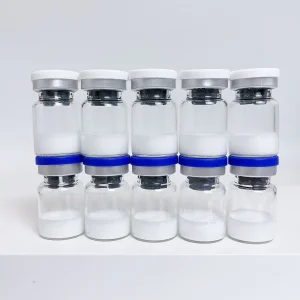
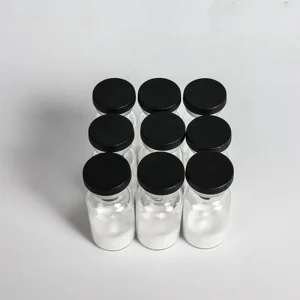
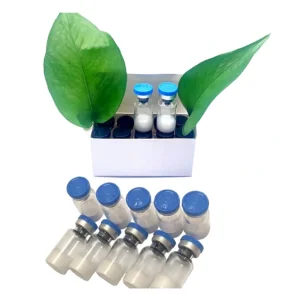
Explore verified analytical formulations, high-purity research compounds, and organic intermediates available for direct B2B institutional export and bulk global procurement.
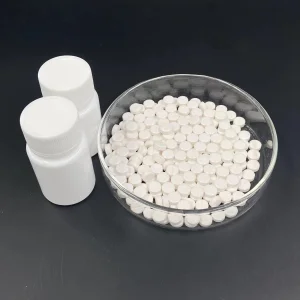
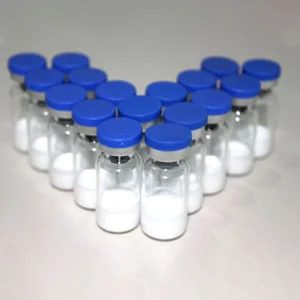
In-depth analytical parameters, structural chemistry, molecular identification protocols, and regulatory validation for laboratory and fine chemical manufacturers.
CAS 62-44-2, systematically recognized as N-(4-ethoxyphenyl)acetamide and historically designated under the trade name Phenacetin, is a crystalline synthetic organic compound belonging to the acetamide and aryl ether families. While historically documented in pharmacological literature as one of the earliest synthetic aniline-derived antipyretic analgesics, modern industrial and academic demand for CAS 62-44-2 has pivoted completely into high-precision scientific testing, reference standard calibration in forensic analytical chemistry, fine chemical synthesis intermediates, and polymer stabilization modeling.
Chemically represented by the molecular formula C10H13NO2 with an exact monoisotopic mass of 179.094629 g/mol, the molecule features an ethoxy group ether-linked to a benzene ring at the para position relative to an acetamide functional group. The resonance stabilization of the aromatic ring combined with the nitrogen lone pair delocalization renders CAS 62-44-2 an exceptional model compound for researching cytochrome P450 enzyme assays (specifically CYP1A2 activity phenotyping), enzymatic O-deethylation pathways, and chromatographic separation methodologies.
Quality Assurance Directive: Institutional purchasers procuring CAS 62-44-2 for calibration or chemical synthesis must ensure complete analytical verification against European Pharmacopoeia (EP), United States Pharmacopeia (USP), and ISO/IEC 17025 certified reference material standards to guarantee the complete absence of paracetamol adducts, 4-chloroacetanilide, and toxic free aromatic amine residues.
| Physicochemical Parameter | Standard Specification Value | Analytical Methodology | Quality Compliance Standard |
|---|---|---|---|
| CAS Registry Number | 62-44-2 | Chemical Abstract Indexing | Official CAS Registry Data |
| IUPAC Name | N-(4-ethoxyphenyl)acetamide | IUPAC Nomenclature Rules | Structure Confirmation via NMR |
| Molecular Formula & Weight | C10H13NO2 | 179.22 g/mol | High-Res Mass Spectrometry (HRMS) | Theoretical Mass ± 0.0005 Da |
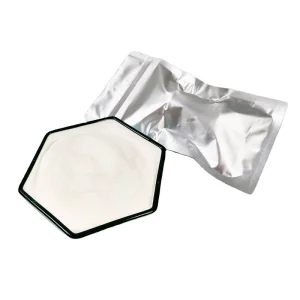
| Physical Appearance | White to off-white crystalline flakes/powder | Visual / Colorimetric Verification | EP / USP Visual Standard |
| Melting Point Range | 134.0 °C to 136.0 °C | Differential Scanning Calorimetry (DSC) | Sharp Endothermic Peak |
| Assay Purity (HPLC) | ≥ 99.0% to 99.8% (w/w) | HPLC with DAD Detection @ 250nm | Certified Reference Material (CRM) |
| Solubility Profile | Soluble in ethanol, chloroform, acetone; sparingly in water | Gravimetric Dissolution Testing | Clear, colorless organic solution |
| Residue on Ignition (Ash) | ≤ 0.05% | Thermogravimetric Analysis (TGA) | Pharmacopeial Limit Standard |
Analyzing macroeconomic shifts, regional manufacturing hubs, regulatory compliance landscapes, and international B2B distribution channels.
The manufacturing footprint of CAS 62-44-2 is concentrated in fine chemical parks within the Asia-Pacific region, notably China and India, alongside boutique synthesis hubs in Western Europe. Regulatory frameworks such as EU REACH and OSHA strictures mandate stringent environmental pollution controls during its upstream aniline-etherification stages.
Global cross-border transfers require exhaustive end-user declarations (EUD) and compliance documentation. Because raw phenacetin has historically been intercepted in unregulated supply chains as an adulterant, compliant vendors enforce verified B2B customer onboarding, verifying certified research, analytical, and manufacturing licenses.
The rising adoption of mass-spectrometry instrumentation in bio-forensic laboratories and toxicology panels has increased the procurement rate of high-grade CAS 62-44-2 reference materials. Contract Research Organizations (CROs) systematically consume high-purity analytical batches for CYP1A2 in vitro assay kits.
Examining chemical reaction engineering from classic Williamson ether synthesis to sustainable continuous-flow catalytic N-acetylation.
The manufacturing architecture for industrial and laboratory-scale CAS 62-44-2 centers primarily on two distinct chemical synthetic pathways, each presenting specific technical trade-offs between stoichiometric atom economy, reaction yield, and residual impurity management.
The standard synthetic route utilizes 4-acetamidophenol (paracetamol/acetaminophen) as the starting core precursor. In an alkaline ethanolic medium (typically using sodium ethoxide or potassium carbonate as base), the phenolic hydroxyl group is deprotonated into a nucleophilic phenoxide intermediate. Subsequent nucleophilic aliphatic substitution ($S_N2$) with ethyl iodide or bromoethane introduces the ethoxy functionality, yielding crude N-(4-ethoxyphenyl)acetamide:
CH3CONH-C6H4-OH + C2H5Br + K2CO3 → CH3CONH-C6H4-OC2H5 (CAS 62-44-2) + KBr + KHCO3
While operationally accessible, this pathway frequently suffers from unreacted 4-acetamidophenol impurities and alkyl halide residuals. Separation requires multi-stage recrystallization from boiling deionized water or ethanol-water cosolvents to ensure the finished material satisfies international pharmacopeial limits (residual acetaminophen < 0.1%).
Modern commercial synthesis utilizes high-purity 4-ethoxyaniline (para-phenetidine) as the starting platform. Through controlled reaction with glacial acetic acid or acetic anhydride under refluxing anhydrous parameters, rapid nucleophilic acyl substitution yields CAS 62-44-2 with yields exceeding 94%:
C2H5O-C6H4-NH2 + (CH3CO)2O → C2H5O-C6H4-NHCOCH3 (CAS 62-44-2) + CH3COOH
The critical quality parameter in this process lies in preventing oxidative degradation of the delicate p-phenetidine starting material. Without inert nitrogen purging, trace amounts of colored quinone-imine oligomers can form, irreversibly contaminating the crystalline lattice and lowering spectrophotometric transmittance.
Transitioning from stirred batch tanks to continuous-flow microfluidic synthesis, optimizing heat dissipation and cutting reaction residence times from 4 hours to under 90 seconds.
Replacing toxic anhydride excess with solid heterogeneous Lewis acid catalysts and bio-derived ethyl acetate as an acyl donor, drastically curtailing volatile solvent waste.
Deploying automated Process Analytical Technology (PAT) incorporating real-time in situ Raman and Near-Infrared (NIR) monitoring to ensure zero-defect crystallite size uniformity.
Leveraging machine learning models to continuously adjust fractional crystallization cooling curves, raising recovery yields above 98% while achieving ultra-low heavy metal content.
Analyzing key industrial downstream applications of high-grade CAS 62-44-2 across laboratories, analytical research, and specialty manufacturing.
CAS 62-44-2 serves as an established molecular probe in biomedical pharmacogenomics to assess human Cytochrome P450 1A2 (CYP1A2) catalytic activity. Its conversion rate via O-deethylation into acetaminophen allows researchers to reliably benchmark competitive drug-drug interactions and genetic metabolic polymorphisms.
Testing laboratories employ CAS 62-44-2 as a certified primary calibration standard for reverse-phase HPLC, UHPLC-MS/MS, and GC-MS retention time mapping. Its robust chemical stability and predictable UV absorption peaks (λmax ~ 250 nm) make it an indispensable system suitability verification reagent.
In fine chemical processing, the ethoxy-substituted aryl ring provides a tailored electron-donating backbone for electrophilic aromatic substitutions. It functions as an organic building block for high-performance thermal stabilizers in engineering polymers, antioxidants, and specialized diazotized dye precursors.
Sourcing institutional quantities of CAS 62-44-2 involves complex international import hurdles, supply integrity verification, and logistics handling. Our enterprise procurement service framework addresses every major supply-chain friction point:
Detailed technical, operational, and regulatory answers addressing common procurement inquiries from global laboratories and institutional chemical buyers.
Standard commercial research batches guarantee an assay purity of ≥ 99.0% by HPLC. For certified analytical reference standards, specialized recrystallized grades are calibrated to ≥ 99.5% or ≥ 99.8% purity, with individual related impurities (such as p-phenetidine and 4-chloroacetanilide) maintained strictly below 0.05% w/w.
Every shipment is accompanied by a batch-specific Certificate of Analysis (COA) containing the exact production date, lot number, melting point confirmation, loss on drying (LOD), residue on ignition, and chromatographic HPLC purity profiles. Full 1H/13C-NMR spectra, LC-MS identity data, and MSDS/SDS safety packets are provided on request.
CAS 62-44-2 is photosensitive and subject to slow surface oxidation when exposed to moisture and light. It should be sealed in light-resistant, airtight amber glass bottles or double-bagged nitrogen-flushed polyethylene drums, maintained in a cool (2°C to 8°C for analytical standards, or ≤ 25°C for bulk industrial material), dry, and well-ventilated warehouse environment.
Under international transport regulations, pure CAS 62-44-2 is non-hazardous for standard intermodal freight but is subject to chemical commerce surveillance in multiple jurisdictions. The prevailing international Harmonized System (HS) code is 2924.29 (cyclic amides, cyclic carbamates and their derivatives). Importers must verify national import licensing requirements prior to dispatch.
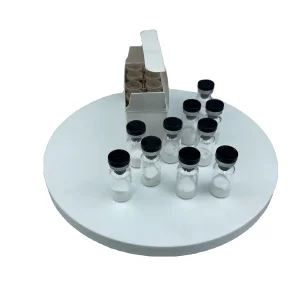
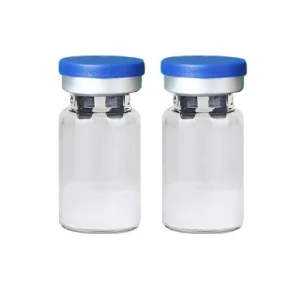
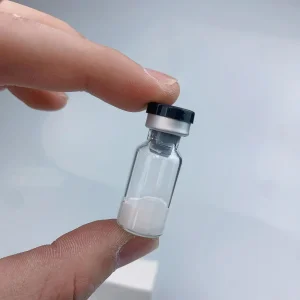
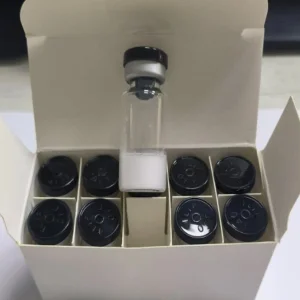
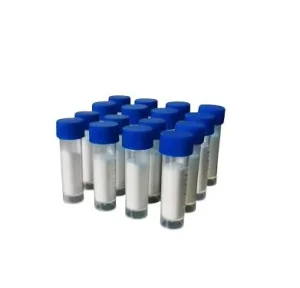
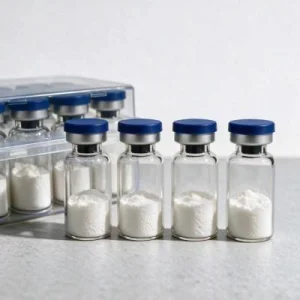
Yes. Commercial supply configurations range from analytical reference packaging (1g, 5g, 25g, 100g in sealed amber vials) up to pilot-scale and bulk industrial packaging (1kg, 5kg aluminum vacuum foil bags, and 25kg / 50kg fiber drums with dual anti-static polyethylene liner bags).
Phenacetin (CAS 62-44-2) acts as the gold-standard probe substrate for CYP1A2 in human liver microsomes (HLM) and recombinant enzyme platforms. The rate of phenacetin O-deethylation to acetaminophen serves as a direct, precise metric of CYP1A2 inhibition or induction kinetics in ADME profiling workflows.
Explore verified analytical formulations, high-purity research compounds, and organic intermediates available for direct B2B institutional export and bulk global procurement.