Explore commercial grade formulations, reference standards, and high-velocity active pharmaceutical ingredients manufactured under rigorous quality systems.
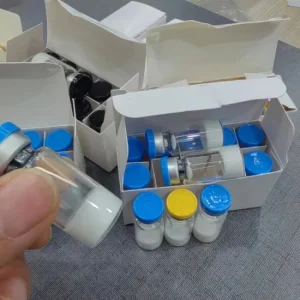
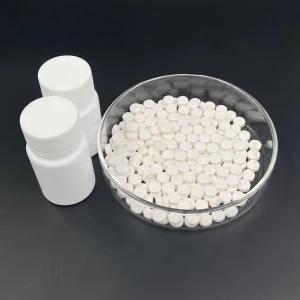
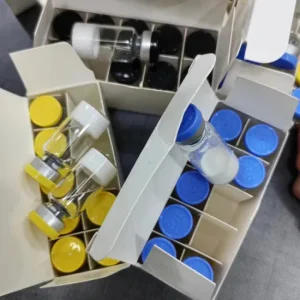
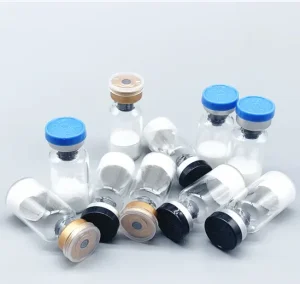
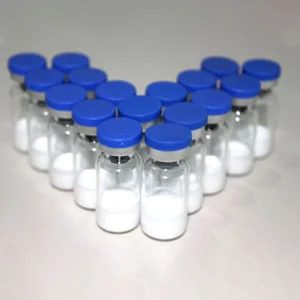
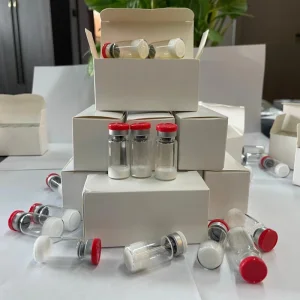
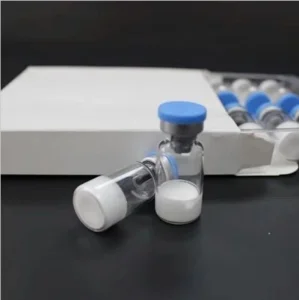
A rigorous examination of Lidocaine Hydrochloride (2-(diethylamino)-N-(2,6-dimethylphenyl)acetamide monohydrochloride) for enterprise procurement officers, qualified formulators, and compliance specialists.
Procurement teams frequently encounter semantic divergence when purchasing CAS 73-78-9. Chemically designated as 2-(diethylamino)-N-(2,6-dimethylphenyl)acetamide hydrochloride, CAS 73-78-9 formally represents the anhydrous salt (C14H22N2O·HCl). However, pharmaceutical manufacturing predominantly utilizes Lidocaine Hydrochloride Monohydrate (CAS 6108-05-0; C14H22N2O·HCl·H2O, MW 288.81). Qualified international manufacturing facilities synthesize the product to satisfy both United States Pharmacopeia (USP) and European Pharmacopoeia (EP/Ph. Eur.) monographs, where the water content is strictly controlled between 5.0% and 7.0% via Karl Fischer titration. Anhydrous preparations are engineered through controlled thermodynamic desolvation for non-aqueous matrix formulations.
| Analytical Parameter | USP Monograph Standard | EP / Ph. Eur. Monograph Standard | In-House Enterprise Release Spec |
|---|---|---|---|
| Chemical Identification | IR (Infrared) concordant with RS; Cl- positive | IR concordant with Ph. Eur. CRS; Cl- reaction | Conforms to FT-IR & 1H-NMR Spectral Matching |
| Assay (Titration / HPLC) | 97.5% - 102.5% (anhydrous basis) | 99.0% - 101.0% (anhydrous basis) | 99.5% - 100.8% (Validated RP-HPLC) |
| Appearance of Solution | Clear and colorless | Clear, color ≤ reference solution BY6 | Clear (10% w/v aqueous, OD400 < 0.02) |
| pH (0.5% in water) | 4.0 to 5.5 | 4.0 to 5.5 | 4.2 to 4.8 (optimized for stability) |
| Related Impurity A (2,6-DMA) | NMT 0.01% (100 ppm) | NMT 0.01% (100 ppm) | < 20 ppm (Hypersensitive GC-MS) |
| Total Unknown Impurities | NMT 0.5% | NMT 0.10% individual | < 0.05% individual; < 0.15% total |
| Nitrosamine Assessment (NDMA) | ICH M7 compliant (< 96 ng/day) | EMA/409815/2020 limit compliant | Not Detected (LOD < 5 ppb via LC-MS/MS) |
| Bacterial Endotoxins | < 0.7 EU/mg (Parenteral grade) | < 0.70 IU/mg (Parenteral grade) | < 0.2 EU/mg (Certified Endotoxin-Free) |
Understanding synthetic methodologies enables B2B buyers to evaluate impurity vectors, batch repeatability, and the structural integrity of CAS 73-78-9.
The standard synthetic route initiates via the acylation of 2,6-xylidine (2,6-dimethylaniline) with chloroacetyl chloride in glacial acetic acid or an aprotic solvent matrix (e.g., acetone or toluene). This yields the critical intermediate: 2-chloro-N-(2,6-dimethylphenyl)acetamide. Tight thermal control (-5°C to 15°C) suppresses dimer formation and limits poly-chlorinated secondary byproducts.
The intermediate undergoes nucleophilic substitution with excess anhydrous diethylamine. Conducting this amination under pressurized autoclave conditions or refluxing inert atmospheres drives completion while minimizing mono-ethyl lidocaine degeneration. The free base (Lidocaine Base, CAS 137-58-6) is then isolated and subjected to organic solvent washings to purge unreacted amines.
Lidocaine free base is dissolved in high-purity isopropanol or ethanol, followed by stoichiometric titration with anhydrous hydrogen chloride gas (HCl) or pharmaceutical-grade hydrochloric acid. Crystallization is governed by seeded cooling ramps to enforce uniform polymorph generation (Form I), preventing amorphic entrapment of mother liquors and guaranteeing crystal size uniformity.
2,6-Dimethylaniline (2,6-DMA, CAS 87-62-7) is a verified degradation product and synthetic precursor classified as a Category 2 carcinogen. World-class manufacturers utilize automated multistage liquid-liquid counter-current extractions followed by recrystallization cycles, bringing residual 2,6-DMA levels consistently below 20 ppm (far stricter than the 100 ppm pharmacopeial ceiling). Furthermore, in strict adherence to ICH M7(R1) and US FDA guidance on nitrosamines, secondary amine precursors are audited to ensure zero formation of N-nitroso-diethylamine (NDEA) or N-nitroso-lidocaine, verified via GC-MS/MS or LC-HRMS testing protocols.
The global trade footprint of Lidocaine Hydrochloride API continues to expand, catalyzed by advancements in ambulatory surgical centers, transdermal analgesic technologies, and medical aesthetic cross-linking.
Lidocaine HCl remains an indispensable Class Ib antiarrhythmic API, administered intravenously for acute ventricular arrhythmias following myocardial infarction. Concurrently, regional anesthesia protocols (spinal, epidural, and peripheral nerve blocks) rely on high-purity, endotoxin-depleted parenteral grade material.
The global boom in dermal filler manufacturing has established CAS 73-78-9 as an essential co-formulant. Cross-linked hyaluronic acid (HA) matrices incorporate 0.3% Lidocaine HCl to mitigate patient discomfort during mid-to-deep dermis application. Compatibility requires micronized API with ultra-low moisture deviations.
Topical 5% Lidocaine adhesive patches for post-herpetic neuralgia and localized musculoskeletal inflammatory conditions represent a multibillion-dollar subsector. Manufacturing requires API powders possessing precise crystal morphology to guarantee uniform dissolution rates across polymer adhesive reservoirs.
Different downstream therapeutic vehicles necessitate targeted particle engineering, chemical stability regimens, and sterile processing adaptations.
| Application Vector | Final Dosage Form | Physical / Chemical Requirements | Critical Regulatory Safeguard |
|---|---|---|---|
| Intravenous Anesthesia | 1% - 2% Aqueous Injection | Sterile, Bacterial Endotoxins < 0.2 EU/mg, Bioburden-free | Parenteral cGMP, Lyophilization under Class A Laminar Flow |
| Dental Local Carpules | 2% Lidocaine with Epinephrine 1:100k | Free from heavy metals, high solubility, no antioxidant precipitation | Strict pH preservation (3.3 - 5.5) to avoid catecholamine degradation |
| Medical Aesthetics | Co-formulated HA Dermal Fillers | Micronized (D90 < 20 µm), low bioburden, optical clarity | ISO 13485 / cGMP Medical Device API Qualification |
| Dermal Analgesic Patches | 5% Matrix-in-Adhesive System | Homogeneous crystalline habit, specific surface area > 1.5 m²/g | Residual solvent verification (ICH Q3C Class 2 & 3 limits) |
| Veterinary Field Medicine | Epidural & Nerve Block Infusions | High bulk density, bulk packaging durability (25 kg drums) | Clear cross-contamination validation per GMP Volume 4 |
Examining the structural, geopolitical, and upstream chemical raw material advantages that position Chinese synthesis hubs as the global baseline for CAS 73-78-9 manufacturing.
China manufactures over 70% of the world's basic precursors for local anesthetics. Factories in Hebei, Shandong, and Jiangsu benefit from direct pipeline or localized railway transfer of 2,6-xylidine, aniline bases, and chloroacetyl chloride. This upstream integration insulates buyers from global petrochemical volatility.
Modern synthesis plants utilize 5,000L to 10,000L glass-lined reactor trains operated under Distributed Control Systems (DCS). Automation guarantees continuous crystallization monitoring, uniform mother liquor filtration via Hastelloy nutsche filter-dryers, and batch-to-batch coefficient of variation (CV) under 1.2%.
Operating adjacent to major container hubs (Tianjin, Qingdao, Shanghai) and bonded international logistics zones enables reliable dispatch. Real-time temperature and moisture-controlled packaging protects shipments against humidity swings during transpacific or Euro-Asian transit lines.
Enterprise chemical procurement relies on verified compliance documentation. Sourcing CAS 73-78-9 requires complete regulatory transparency from synthesis to port of entry.
Qualified manufacturers maintain updated Active Drug Master Files (Type II US DMF) registered with the United States Food and Drug Administration (FDA) and Certificates of Suitability (CEP) issued by the European Directorate for the Quality of Medicines (EDQM). These dossiers detail the complete chemical route of synthesis, critical process parameters (CPPs), in-process controls (IPCs), and re-test period validation.
Every commercial batch is accompanied by an authenticated Certificate of Analysis (COA) displaying raw HPLC chromatograms, GC-FID headspace residual solvent spectrums, and Karl Fischer moisture determinations. Samples are retained under controlled stability chambers (25°C/60% RH and 40°C/75% RH) per ICH Q1A(R2) guidelines to ensure five-year real-time shelf life verification.
The manufacturing landscape for local anesthetics is advancing beyond traditional batch reactors toward continuous micro-reaction systems, enzymatic purification, and controlled crystal habituation.
Transitioning from stirred batch reactors to continuous plug-flow microchannel systems optimizes reaction times from hours to milliseconds. This ultra-precise thermal control completely suppresses secondary exothermic decomposition pathways, guaranteeing unmeasurable levels of carcinogenic aromatic amines.
Rapid Expansion of Supercritical Solutions (RESS) replaces mechanical pin-milling. By micronizing Lidocaine HCl via supercritical CO2 fluids, processors yield monodisperse crystalline particles (D50 = 3.5 µm) exhibiting zero thermal degradation and superior dissolution profiles for rapid-onset analgesic devices.
Long-acting post-operative analgesia has transitioned into liposomal depot technologies. Specialized manufacturing lines now formulate Lidocaine HCl into multivesicular liposomal matrices (e.g., DepoFoam delivery mechanisms), extending tissue residency up to 72 hours and drastically lowering systemic toxicity risks.
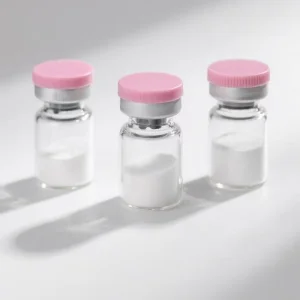
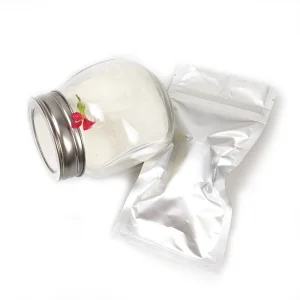
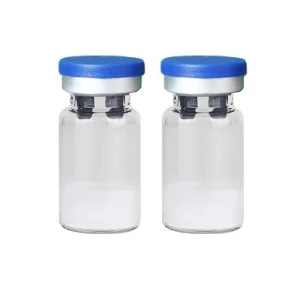
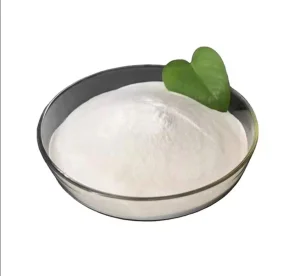
Direct manufacturer warehouse inventory, small-molecule reference APIs, and high-purity research compounds verified via HPLC, LC-MS, and standard CoA documentation.
Definitive answers addressing analytical validation, customs classification, packaging standards, and audit support for CAS 73-78-9 Lidocaine Hydrochloride buyers.
Lidocaine Hydrochloride is systematically declared under Harmonized Tariff Schedule (HTS) Code 2924.29.9090 (or regionally 2924.29.98), covering cyclic amides and their derivatives. It is classified as an Active Pharmaceutical Ingredient (API) non-controlled substance across the EU, US, and APAC regions, requiring standard export declarations, commercial invoices, and analytical certificates.
Every commercial batch is screened for carcinogenic nitrosamines—specifically NDEA, NDMA, and N-Nitroso-lidocaine—in strict alignment with FDA, EMA, and ICH M7(R1) mandates. Testing is conducted using validated high-resolution Orbitrap LC-MS/MS systems with a Limit of Detection (LOD) < 5 ppb and Limit of Quantitation (LOQ) < 15 ppb, ensuring absolute safety for parenteral and topical uses.
Yes. We offer customized Particle Size Distributions (PSD). Standard milling yields a D90 between 80–120 µm. For transdermal delivery, dermal anesthetic ointments, and medical aesthetic matrices, we supply air-jet micronized powders with verified specifications of D50 < 5 µm and D90 < 15 µm, fully documented via Malvern Mastersizer laser diffraction reports.
Commercial stock is supplied in UN-certified 25 kg fiber drums lined with double-layered anti-static pharmaceutical-grade polyethylene bags, sealed under dry nitrogen blankets. Desiccant packs and temperature-monitoring data loggers are included upon request for international ocean or air cargo dispatches.
Yes. We welcome formal on-site cGMP audits or desktop paper audits conducted by qualified third-party auditors. Access to complete Open-Part Drug Master Files (DMF), stability data packages, elemental impurity calculations (ICH Q3D), and TSE/BSE risk declarations is granted upon the execution of a standard Confidential Disclosure Agreement (CDA).
When stored in intact original packaging protected from direct light, heat, and moisture at temperatures below 25°C (77°F), Lidocaine Hydrochloride Monohydrate maintains a verified re-test period of 60 months (5 years). Accelerated stability data (40°C ± 2°C / 75% RH ± 5% RH) confirms chemical stability without degradation or polymorph conversion.

