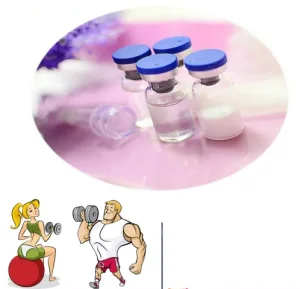
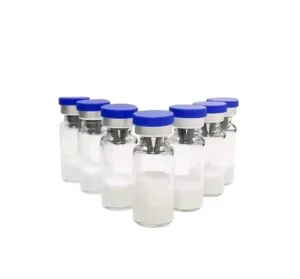
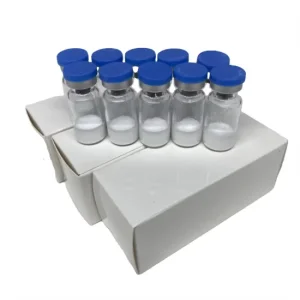
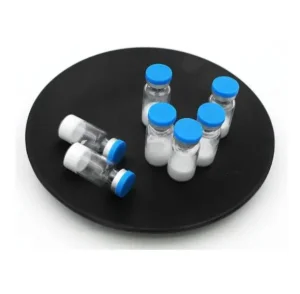
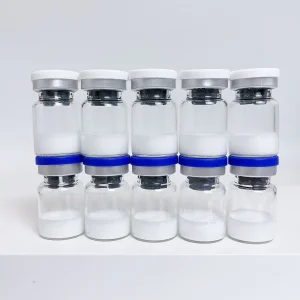
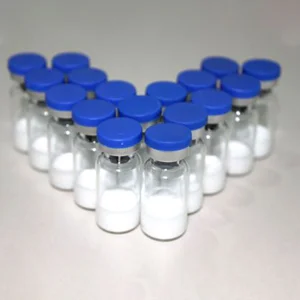
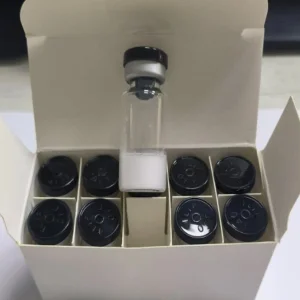
Pre-inspected batches with dual HPLC/LC-MS release verification, low-temperature lyophilization, and airtight inert packaging for global research and pharmaceutical contract manufacturing.
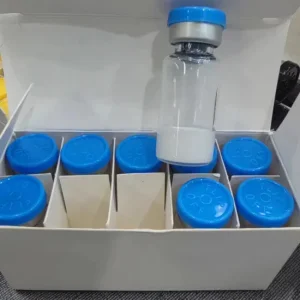
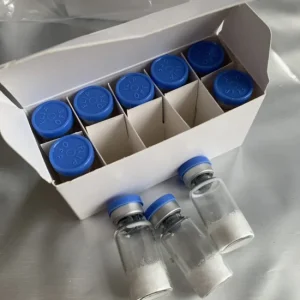
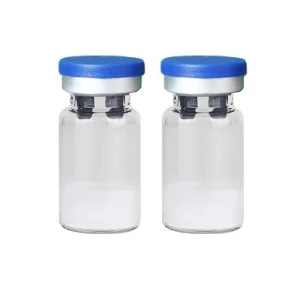
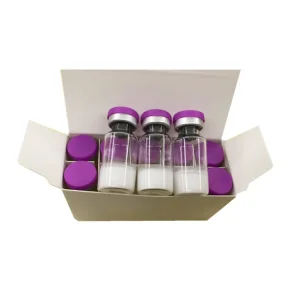
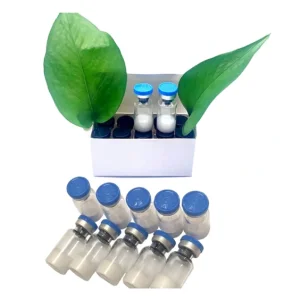
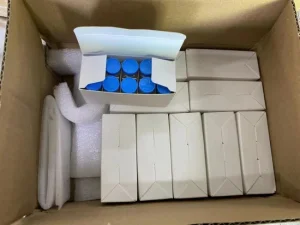
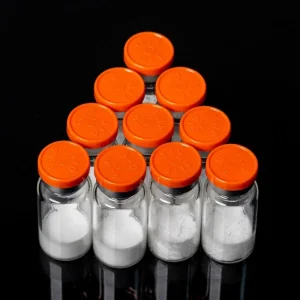
Bridging traditional amino-amide channel blockers with high-potency research analogs and sustained-release microencapsulated polymer matrices.
Maricaine (widely recognized across pharmaceutical pharmacopeias as Marcaine, chemically designated as Bupivacaine Hydrochloride, 1-butyl-N-(2,6-dimethylphenyl)piperidine-2-carboxamide) stands as one of the most critical long-acting local anesthetic active pharmaceutical ingredients (APIs) in clinical anesthesiology and chemical synthesis worldwide. Since its pioneering synthesis, the compound has represented the benchmark for prolonged duration of action, membrane partition coefficient optimization, and selective reversible blockade of sodium channel gates along excitable neuronal axons.
In contemporary pharmaceutical synthesis and specialty chemical manufacturing, Maricaine's molecular scaffolding serves as a cornerstone not only for surgical epidurals, peripheral nerve infiltration, and spinal cord anesthesia, but also as an indispensable chemical reagent in membrane transport studies, ionophore research, and receptor-agonist peptide formulation matrices. With the global rise of ambulatory surgery centers (ASCs) and multi-modal opioid-sparing analgesia protocols, enterprise demand for pharmaceutical-grade Maricaine bulk base, Maricaine hydrochloride crystalline powders, and ultra-micronized sterile grades has grown at an unprecedented compound annual rate.
Industrial Synthesis Benchmark: Our smart production facilities achieve over 99.4% enantiomeric resolution and total chemical assay exceeding 99.0% by HPLC, maintaining heavy metal impurities under 5 ppm and bacterial endotoxins strictly below 0.5 EU/mg.
Maricaine exists as a chiral molecule with (R)-(+) and (S)-(-) stereoisomers. Modern chemical facilities have perfected continuous catalytic tartaric acid resolution and diastereomeric salt precipitation to yield purified levobupivacaine or racemic Maricaine hydrochloride customized for specific customer dosage requirements.
With an octanol:water partition coefficient of approximately 28 and pKa of 8.1, Maricaine exhibits extreme lipid affinity, diffusing rapidly across neurovascular sheath barriers to bind selectively to intracellular S6 segments of voltage-gated Nav1.5 and Nav1.7 sodium channel subunits.
Recent chemical formulation innovations center on multivesicular liposomal matrices (DepoFoam technology). These microscopic spherical lipid chambers slowly release encapsulated Maricaine over 72 hours, minimizing cardiac toxicity and extending post-surgical non-opioid recovery times.
How top-tier pharmaceutical manufacturers, contract development and manufacturing organizations (CDMOs), and hospital buying groups qualify bulk Maricaine factories.
Procurement teams operating in North America, the European Union, Latin America, and the Asia-Pacific region demand absolute conformity to USP-NF and European Pharmacopoeia (EP) monographs. For Maricaine HCl, compliance mandates exact limits on 2,6-pipecoloxylidide (Impurity A) and related degradation products generated during intermediate storage or autoclaving. Our analytical laboratories provide complete Drug Master Files (DMFs), open-part documentation, Certificates of Suitability (CEP), and stability studies executed under strict ICH Q1A(R2) conditions (accelerated 40°C/75% RH and long-term 25°C/60% RH).
Every shipment arrives with a fully documented batch Certificate of Analysis (COA) containing verified HPLC chromatograms, carbon-13 nuclear magnetic resonance (13C-NMR), proton NMR (1H-NMR), high-resolution electrospray ionization mass spectrometry (HR-MS), and Karl Fischer moisture titration.
While Maricaine hydrochloride crystalline powder remains chemically robust at ambient temperatures, bulk solutions and delicate conjugate peptides demand rigorous temperature stabilization. We engineer specialized climate-shielded poly-lined drums, double vacuum-sealed aluminum moisture-barrier bags, and inert nitrogen-purged hermetic glass vials for custom synthesized formulations.
For cross-border intercontinental deliveries, temperature-controlled active RFID loggers record kinetic mean temperatures (MKT) hourly, guaranteeing that airfreight transitions through major transport hubs (Frankfurt, Singapore, Chicago, Dubai) never compromise chemical stability or crystal polymorphism integrity.
Continuous flow microreactors, automated crystallization units, and digital batch records eliminate synthetic variance while driving cost-efficiency.
Traditional batch reaction vessels suffer from localized heat spikes during 2,6-xylidine amidation. Our continuous flow microreactor arrays maintain microsecond thermal homogeneity, boosting step-yields from 81% to over 96% and preventing hazardous thermal runaways.
In-line Process Analytical Technology (PAT) coupled with real-time Raman spectroscopy monitors reaction progression and polymorphic crystal nucleation in real time. Batches that deviate by mere parts-per-billion are automatically adjusted before crystallization terminates.
Adhering to circular chemistry mandates, our closed-loop solvent reclamation recovery loops purify and recycle ethyl acetate, methanol, and toluene at rates exceeding 94%. Volatile organic emissions remain monitored 24/7 by continuous laser absorption sensors.
Over the past decade, severe API shortages have plagued global healthcare infrastructures due to single-source precursor disruptions. China’s integrated industrial ecosystem guarantees domestic sourcing of critical raw building blocks—such as picolinic acid, pipecolic acid, and 2,6-dimethylaniline—shielding global buyers from cross-border upstream bottlenecks. By coupling backward-integrated chemical feedstocks with high-capacity automated finishing suites, our manufacturing plant sustains an uninterrupted delivery track record for tier-1 distributors in over 78 countries.
Market segmentation, macroeconomic pricing structures, and competitive sourcing advantages across primary continental territories.
Dominates consumption through widespread orthopedic joint replacement surgeries, dental surgery, and plastic surgery. Sourcing criteria focus on FDA 503B compounding alignment, low residual solvent thresholds (ICH Q3C), and rapid customs tariff classification.
Rigorous environmental, REACH, and EMA documentation rules. European formulation specialists favor ultra-pure low-particulate grades suitable for sterile filtration without intermediate re-crystallization steps.
Rapidly expanding hospital infrastructure driving high volume purchases of cost-competitive bulk Maricaine base and lyophilized injectable active powders for local state-owned and private clinical distribution networks.
The fastest growing manufacturing hub. Massive domestic healthcare programs in India, China, and Southeast Asia demand steady multi-ton supply contracts supported by long-term master service level agreements (SLAs).
Engineered to adapt effortlessly across diverse sterile injectable formats, topical formulations, and specialized veterinary solutions.
Standard hyperbaric Maricaine solutions (formulated with 8.25% dextrose) deliver rapid sacral and lumbar distribution, providing stable motor-sensory blockade during cesarean deliveries, urological interventions, and lower extremity orthopedics.
Incorporated into multi-hole wound catheters or elastomer infusion pumps, constant low-dose Maricaine infusion prevents pain spikes at incision sites, decreasing hospital bed occupancy and readmission rates.
Widely utilized in equine lameness examinations, diagnostic perineural nerve desensitization, and major veterinary orthopedic surgeries where non-narcotic analgesia with multi-hour duration is imperative.
Transparency through uncompromising scientific instrumentation and documented third-party sample retesting options.
Our quality control department relies on ultra-high performance liquid chromatography (UHPLC) coupled with high-resolution diode array detectors (DAD). The target retention times of Maricaine peaks are rigorously calibrated against USP primary reference standards. Chromatographic baseline separation guarantees that all known intermediates, including piperidine precursors and chlorinated degradation catalysts, fall well below European Medicines Agency ICH Q3A reporting thresholds (<0.05%).
Optical rotation tests using polarized laser polarimeters verify chiral purity, ensuring zero unexpected enantiomeric drift occurs across high-tonnage production runs.
To satisfy parenteral injection mandates, raw active powders undergo inductively coupled plasma mass spectrometry (ICP-MS) screening for Class 1 and Class 2 elemental impurities (Lead, Arsenic, Cadmium, Mercury, Cobalt, Vanadium, Nickel). Levels are validated to reside under 0.1 ppm, vastly outperforming standard industrial thresholds.
Endotoxin testing is conducted via automated kinetic turbidimetric Limulus Amebocyte Lysate (LAL) assays in Cleanroom Class ISO 5 / Class 100 environments. Sterile product release is never granted unless bacterial endotoxins meet strict zero-reaction thresholds.
In-depth responses covering regulatory documentation, stability, packaging, and custom synthesis parameters.
Supplementary fine chemicals, research peptides, and reference materials available for bundled contract shipments and worldwide distribution.