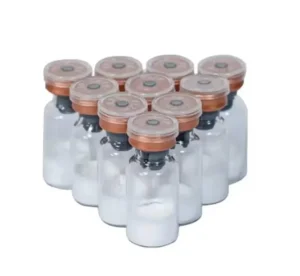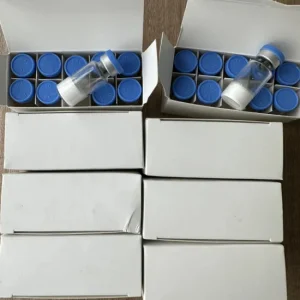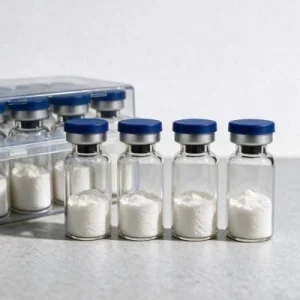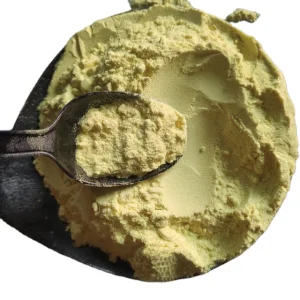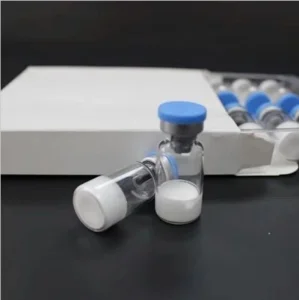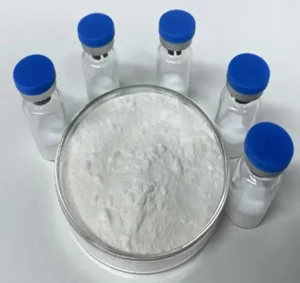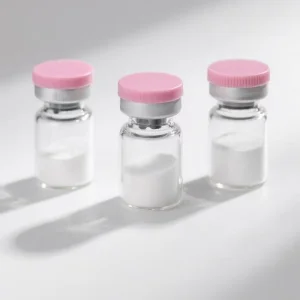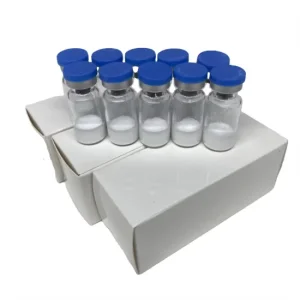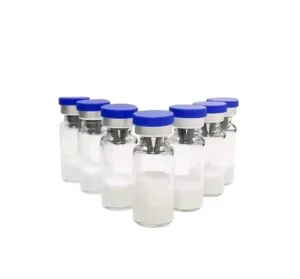
High-potency laboratory chemicals, peptide intermediates, and reference APIs directly supplied from audited manufacturing facilities. Guaranteed COA, HPLC, and GC-MS documentation.
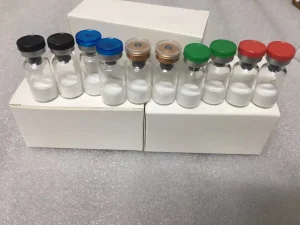
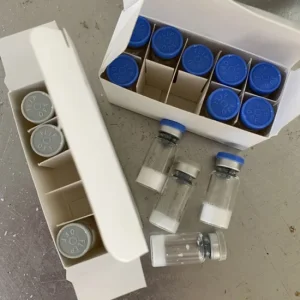
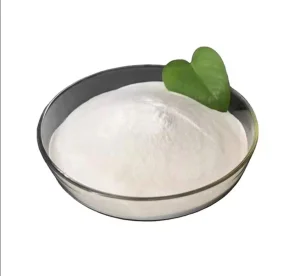
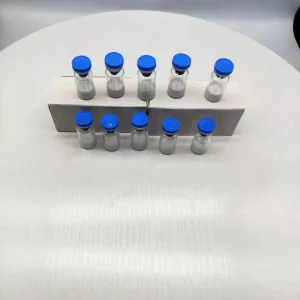
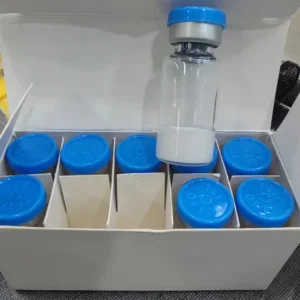
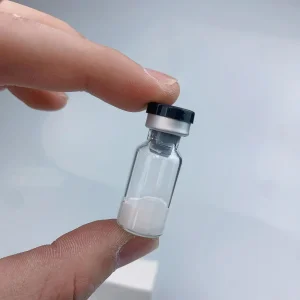
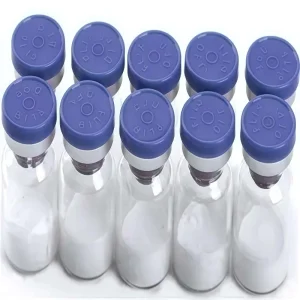
An authoritative evaluation of Pramoxine Hydrochloride (4-[3-(4-butoxyphenoxy)propyl]morpholine hydrochloride, CAS 537-47-3) in modern dermatological and OTC medicinal supply chains.
Unlike conventional ester-type (e.g., benzocaine, procaine) or amide-type (e.g., lidocaine, bupivacaine) local anesthetics, Pramoxine Hydrochloride is categorized chemically as an ether-linked morpholine derivative. This unique molecular backbone virtually eliminates cross-sensitization risks, rendering it the primary choice for sensitive, allergic, or compromised dermal substrates.
The international market for topical pain and anti-pruritic active pharmaceutical ingredients is experiencing sustained CAGR expansion, driven by rising consumer focus on advanced dermatological therapy, geriatric care, and postoperative recovery. Pramoxine HCl remains indispensable in formulations targeting eczema, hemorrhoids, minor dermatoses, insect stings, and dermal radiation burns.
Procurement standards mandate tight controls over related substances, moisture balance, heavy metal thresholds (USP <232>/<233>), and residual solvents (ICH Q3C). Leading manufacturing plants operate under Class 100,000 cleanroom environments, delivering bulk active material maintaining purity metrics consistently verified at ≥99.0% by calibrated reverse-phase HPLC.
From OTC dermatological solutions to hospital-grade rectally administered therapeutics, Pramoxine HCl delivers versatile physiological stability across varied vehicle matrixes.
Widely incorporated at 1.0% concentration into therapeutic calamine or colloidal oatmeal suspensions. The molecule reversibly blocks nerve impulse conduction along unmyelinated axons by modifying membrane permeability to sodium ions, delivering swift relief without systemic circulatory overload.
Formulated into hydrophilic and lipophilic base systems alongside zinc oxide or hydrocortisone. The salt form ensures uniform dispersion, mitigating painful proctitis and mucosal fissures without prompting epithelial sloughing or corneal reflex depression.
Rapidly emerging across high-end aesthetic medicine clinics in the US, EU, and East Asia. Clinical formulations deploy Pramoxine HCl as an alternative to topical lidocaine, minimizing erythema risks and contact dermatitis in patients recovering from fractional CO2 ablation or tattoo removals.
| Analytical Parameter | USP / EP Pharmacopeial Standard | Enterprise Factory Internal Standard | Methodology / Analytical Instrument |
|---|---|---|---|
| Chemical Structure / Identification | Positive for Pramoxine / Chloride | Conforms to Reference Standard | FTIR / ATR & HPLC Retention Time |
| Assay Purity (Dried Basis) | 98.0% – 102.0% | ≥ 99.5% Absolute Purity | Reverse-Phase HPLC (UV @ 224 nm) |
| Melting Point / Thermal Range | 169.0°C – 172.0°C | 170.5°C – 172.0°C | Capillary Differential Scanning Calorimetry |
| Heavy Metals / Inorganic Impurities | ≤ 20 ppm | ≤ 10 ppm (Pb, As, Cd, Hg within ICH) | ICP-MS (Inductively Coupled Plasma) |
| Loss on Drying / Moisture | ≤ 1.0% | ≤ 0.5% (Controlled Lyophilization) | Karl Fischer Coulometric Titration |
Modern production pipelines transition from manual batch vessel condensation towards continuous-flow synthetic platforms, lipid nanoparticle encapsulation, and automated green chemistry protocols.
By coupling 4-butoxyphenol with 4-(3-chloropropyl)morpholine inside plug-flow tubular reactors under pressure, factories achieve stoichiometric yields exceeding 92% while suppressing volatile side products and carcinogenic chloride impurities, reducing waste solvolysis by 40%.
Standard crystal Pramoxine HCl poses dissolution challenges in water-in-oil dermal emulsions. Advanced production lines deploy cryogenic airflow micronization to yield tightly calibrated particle size distributions (D90 < 15 μm), unlocking superior tactile skin integration and bioavailability.
R&D pipelines focus on solid lipid nanoparticles (SLNs) and ethosomes engineered with Pramoxine HCl cores. This prevents premature wash-off, prolongs transdermal analgesic duration from 2 hours up to 8 hours, and eliminates stinging upon application on open micro-lesions.
Incorporating near-infrared (NIR) and Raman probes into crystallization reactors ensures end-point precision during the hydrochloric acid addition phase, preventing polymorphic variability and ensuring every batch demonstrates homogenous crystalline habit.
Industrial supply chain architecture designed to overcome geopolitical volatility, import licensing hurdles, and stringent pharmacopeial cross-border compliance.
Every commercial shipment includes fully traceable batch manufacturing records (BMR), multi-wavelength HPLC chromatograms, carbon-13/proton NMR spectrum prints, heavy metals ICP-MS data, and verified material safety data sheets (SDS) meeting GHS standard 9.
Bulk orders are packaged inside multi-ply food-and-pharma grade polyethylene liners sealed inside vacuum-nitrogen purged aluminum foil barrier drums (1kg, 5kg, 25kg standard fiber drums). Protects sensitive active crystal habits against ambient moisture ingress and light-induced oxidative degradation.
Custom synthesis capacities enable customer-tailored bulk formulations, including pre-blended hydroalcoholic solutions, micronized base concentrates, and customized masterbatch premixes, compressing downstream R&D costs for cosmetic and pharmaceutical manufacturers.
Precise technical clarity addressing the core verification, solubility, pharmacological, and logistic questions raised by chemical engineers and supply chain managers.
Pramoxine Hydrochloride is an ether-linked local anesthetic rather than an amide or ester. This fundamental difference substantially reduces the rate of contact sensitization and allergic dermal reactions. Furthermore, it avoids depression of the corneal reflex, making it safer in diverse topical and periorificial formulations.
Pramoxine HCl (CAS 537-47-3) is freely soluble in water and ethanol, moderately soluble in chloroform, and very slightly soluble in ether. Its aqueous solubility allows straightforward incorporation into water phases of O/W emulsions, cosmetic lotions, and therapeutic gels within pH ranges of 3.0 to 5.5.
Standard operating procedures involve multiple recrystalization phases using certified pharma-grade solvents, followed by drying under inert atmosphere. Final lots are subjected to full USP monograph testing including infrared absorption spectrophotometry (197K), HPLC chromatographic purity, residue on ignition (≤ 0.1%), and organic volatile impurities validation.
When preserved in tight, light-resistant containers within controlled room temperatures (20°C to 25°C / 68°F to 77°F), Pramoxine Hydrochloride API exhibits high stability with a certified retest period of 36 to 60 months. Exposure to high humidity and excessive UV lighting should be strictly averted.
Procure premium grade peptides, synthesis intermediates, and bulk raw powders directly from certified manufacturing installations worldwide.