Batch-verified APIs, synthetic building blocks, and custom peptide formulations direct from certified China factories.
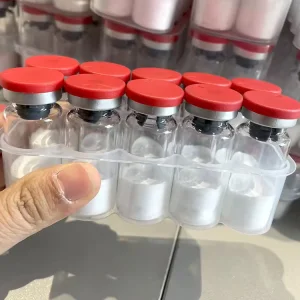
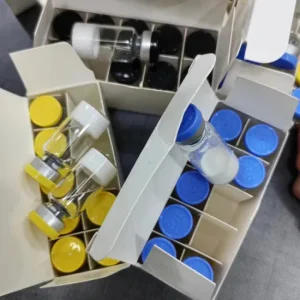
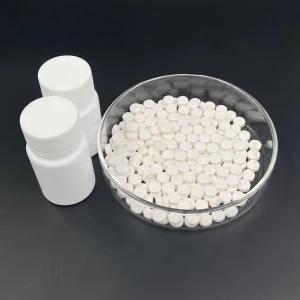
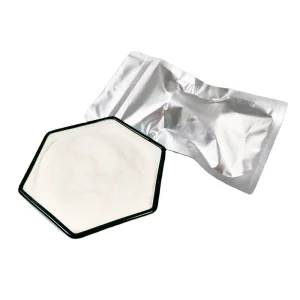
A comprehensive technical evaluation of 3-(1-NAPHTHOYL)INDOLE for chemical procurement officers, contract research organizations (CROs), and process development managers.
3-(1-NAPHTHOYL)INDOLE (Chemical Formula: C19H13NO, Molecular Weight: 271.31 g/mol, CAS: 109555-87-5) represents a foundational aromatic heterocyclic intermediate consisting of an indole nucleus functionalized at the C-3 position with a 1-naphthoyl moiety. Also known systematically as 1H-Indol-3-yl(1-naphthyl)methanone, this compound serves as a pivotal chemical building block in advanced heterocyclic chemistry, organic electronic material synthesis, and pharmaceutical discovery.
The structural rigidness provided by the naphthalene ring coupled with the electron-rich indole heterocycle imparts unique spectroscopic, electronic, and pharmacological binding characteristics. As global manufacturing scales, securing high-purity batch output from certified Chinese manufacturing sites has become imperative for multi-national research teams demanding tight impurity profiles (<0.1% individual isomeric impurities).
| Parameter Specification | Standard Technical Value | Analytical Methodology |
|---|---|---|
| Chemical Name | 3-(1-Naphthoyl)indole / 1H-Indol-3-yl(1-naphthyl)methanone | IUPAC Standard Nomenclature |
| CAS Registry Number | 109555-87-5 | Chemical Abstracts Service |
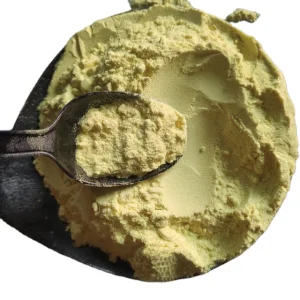
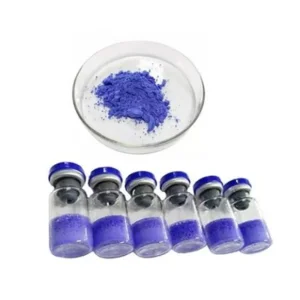
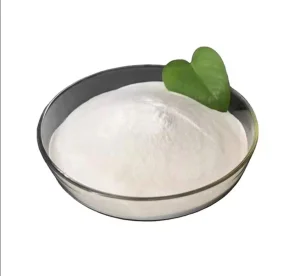
| Appearance | Off-white to light beige crystalline powder | Visual Inspection / Colorimetry |
| Assay / Purity (HPLC) | ≥ 99.0% (Custom high-grade ≥ 99.5%) | High-Performance Liquid Chromatography |
| Melting Point Range | 204.0 °C – 208.0 °C | Automated Capillary Melting Apparatus |
| Loss on Drying (LOD) | ≤ 0.50% | Gravimetric Thermal Analysis |
| Residue on Ignition | ≤ 0.10% | Sulfated Ash Furnace Protocol |
| Solubility Profile | Soluble in DMSO, DCM, Warm Methanol; Insoluble in Water | Qualitative Dissolution Protocol |
Every commercial batch produced in our facilities undergoes rigorous dual-stage testing. Raw materials are screened upon intake, and final lot validation includes High-Performance Liquid Chromatography (HPLC), Proton Nuclear Magnetic Resonance (1H-NMR), Mass Spectrometry (MS), and Gas Chromatography-Mass Spectrometry (GC-MS) residual solvent analysis. Fully traceable Certificates of Analysis (COA) are provided with every shipment.
Strategic chemical sourcing solutions designed to resolve supply chain vulnerabilities, regulatory hurdles, and quality variance.
3-(1-NAPHTHOYL)INDOLE serves as a foundational motif in medicinal chemistry. Procurement teams across North America and Europe rely on our high-purity raw powders to ensure reproducible baseline results during hit-to-lead optimization and preclinical discovery.
Transitioning from benchtop grams to multi-kilogram pilot batches requires reliable reaction kinetics. Our China factories offer continuous-flow synthesis and optimized Friedel-Crafts acylation pathways that eliminate batch-to-batch thermal spikes and yield variance.
With conjugated aromatic structures, 3-(1-naphthoyl)indole derivative scaffolds are actively researched in organic semiconductors, photo-initiators, and dye-sensitized solar cells (DSSCs), benefiting from ultra-low trace-metal contamination protocols.
Advancing chemical manufacturing through green catalysts, continuous processing, and automated quality controls.
Leveraging Lewis-acid catalysts (e.g., AlCl3 or ZnCl2 derivatives) in controlled aprotic media ensures high C-3 position selectivity over N-1 acylation, keeping unwanted side products below 0.2%.
Migrating from traditional batch stirred-tank reactors (STR) to continuous microfluidic channels provides instantaneous heat exchange, precise residence time control, and enhanced thermal safety during mass production.
Our integrated closed-loop solvent recovery units reclaim over 95% of reaction solvents (DCM, EA, hexane), drastically minimizing volatile organic compound (VOC) emissions while lowering per-kilogram production overhead.
Real-time Process Analytical Technology (PAT) incorporating inline FTIR spectroscopy monitors intermediate conversion live, ensuring automated shutdown if parameters drift outside target tolerance.
Why sourcing 3-(1-NAPHTHOYL)INDOLE from established Chinese industrial clusters offers unparalleled reliability and value.
China accounts for over 70% of global intermediate chemical synthesis output due to deeply integrated raw material supply chains. For 3-(1-NAPHTHOYL)INDOLE manufacturing, primary raw precursors such as indole and 1-naphthoyl chloride are manufactured domestically in high-volume industrial parks situated in Shandong, Jiangsu, and Zhejiang provinces.
This localized upstream integration protects international buyers from raw material price shocks and sudden lead time delays. Combined with specialized chemical logistics infrastructure at major ports (Shanghai, Ningbo, Qingdao), Chinese factories offer seamless delivery under FOB, CIF, or DDP terms worldwide.
Modern Chinese chemical manufacturing facilities operate under strict state environmental and work-safety guidelines. Facilities are equipped with automated multi-stage wastewater treatment plants (WWTP), regenerative thermal oxidizers (RTO) for air emissions, and hold full ISO 14001 environmental certification.
Essential commercial and technical answers for global procurement managers and compliance officers.
Our standard commercial grade guarantees ≥ 99.0% purity by HPLC testing. For specialized pharmaceutical synthesis and high-precision analytical reference standards, we offer custom-refined batches achieving ≥ 99.5% purity with single individual impurity levels below 0.10%.
Every order includes a lot-specific Certificate of Analysis (COA) outlining visual appearance, HPLC purity chromatogram, Proton NMR (1H-NMR) spectral data, loss on drying, and melting point. Additional GC-MS residual solvent reports can be requested prior to dispatch.
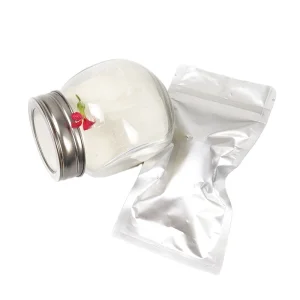
We support both R&D evaluation and commercial production. Our minimum order quantity for sample qualification starts at 100 grams. Standard bulk packaging includes 1 kg aluminum foil vacuum packs, 5 kg foil bags, and 25 kg heavy-duty fiber drums equipped with double PE inner liners.
The compound should be stored in tightly sealed, light-resistant containers in a dry, cool, and well-ventilated warehouse facility (temperature 2 °C to 8 °C recommended for extended storage). When kept protected from ambient moisture and direct sunlight, the shelf life is guaranteed for 24 months.
Our dedicated international trade team coordinates export licenses, safety data sheets (MSDS/SDS compliant with OSHA/GHS standards), and accurate tariff code declarations. We work with specialized chemical freight forwarders (FedEx, DHL, Air Freight, and Ocean Shipping) experienced in handling chemical intermediates safely.
Explore related fine chemical powders, steroidal intermediates, and specialized bio-active research reagents available for immediate dispatch.