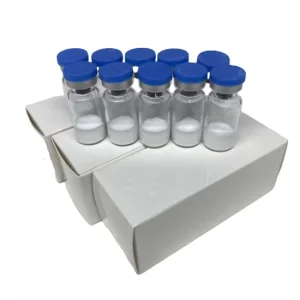
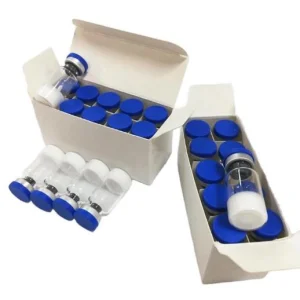
Immediate access to certified, HPLC/MS-analyzed active pharmaceutical batches, peptides, and research references ready for global B2B procurement and customs clearance.
Tetracaine (Amethocaine, CAS 94-24-6; Hydrochloride CAS 136-47-0) stands as a foundational ester-type local anesthetic with high lipophilicity, rapid tissue penetration, and enduring nerve block properties. Understanding current macroeconomic transitions empowers procurement leadership.
Global demand continues to rise in ambulatory surgery, ophthalmology procedures, and dermatological interventions. Tetra-substituted ester configurations yield reliable sodium channel blocking capabilities, driving contract manufacturers to scale up production runs while requiring tighter impurity thresholds (<0.1% individual impurity limits).
Pharmacopeial harmonizations between USP, EP, and BP require manufacturers to deliver advanced structural validation. The detection of mutagenic p-butylaminobenzoic acid (4-BABA) and residual solvent limits under ICH Q3C has redefined vendor tiering, favoring automated, closed-loop Chinese synthesis hubs.
While global formulation houses explore localized finishing, fine chemical precursor manufacturing remains strategically centered in China due to integrated upstream alkylation and esterification supply chains. Resilient sourcing models prioritize suppliers offering end-to-end auditability and bonded logistics.
Amethocaine Base: C15H24N2O2 (MW: 264.36 g/mol) | Amethocaine Hydrochloride: C15H24N2O2·HCl (MW: 300.82 g/mol). Our China synthesis nodes operate under strict crystallization parameters to achieve crystalline integrity and minimal thermal degradation:
Modern chemical procurement requires navigating volatile regulatory regimes, maritime supply constraints, and strict quality assurance parameters. Here is how advanced production models resolve these core systemic risks.
Challenge: Slight variations in raw precursor stoichiometry during base alkylation yield trace degradants, triggering QC batch rejection.
Resolution: Continuous inline analytical monitoring (PAT) and standardized high-vacuum crystallization ensure uniform polymorphism and batch uniformity.
Challenge: Misclassification or generic documentation creates border clearance holds, exposing consignments to shelf-life degradation.
Resolution: Pre-cleared Harmonized System (HS) documentation, explicit non-controlled substance certificates, and dedicated bonded corridor routing ensure 100% compliant border transit.
Challenge: Ingress of atmospheric moisture hydro-cleaves the ester linkage of Amethocaine into 4-butylaminobenzoic acid and dimethylaminoethanol.
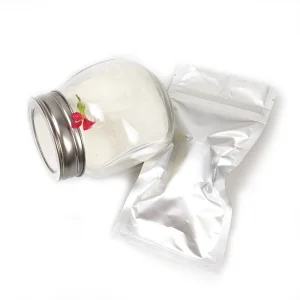
Resolution: Industrial-grade moisture barrier packaging: double-layered pharmaceutical polyethylene lining enclosed within nitrogen-purged hermetic aluminium bags and heavy fiber drums.
Challenge: Incomplete supply documentation causes audits to stall and creates vulnerability during regulatory agency checks.
Resolution: Comprehensive data bundles provided prior to shipment: Complete Certificate of Analysis (COA), HPLC chromatograms, 1H-NMR/13C-NMR spectra, and verified Mass Spectrometry (MS) datasets.
As pharmaceutical research transitions into sustained release, targeted permeation, and reduced-systemic-toxicity profiles, our chemical engineering workflows advance along three distinct pathways.
Traditional batch condensation of 4-butylaminobenzoic acid with 2-dimethylaminoethanol poses localized overheating risks that yield colored impurities. Transitioning to continuous micro-channel reactors guarantees microsecond stoichiometry control, superior heat dissipation, and an impurity profile lower than 0.05%.
Tetracaine Base demonstrates high lipophilicity (logP ~ 3.2), making it an optimal candidate for multi-vesicular liposomes and solid lipid nanoparticles (SLNs). Encapsulation prolongs local anesthesia from 2 hours to over 12 hours while preventing systemic absorption and cardiovascular depression.
Replacing toxic halogenated alkylation agents with catalytic reductive alkylation pathways reduces hazardous waste by 65%. Eliminating Class 1 and Class 2 solvents from the final purification cycle provides downstream laboratories with clean material compliant with strict environmental audits.
Clear, authoritative technical answers addressing raw material identity, safety parameters, logistics security, and supply chain compliance for international procurement teams.
Access our catalog of high-purity small molecules, therapeutic peptide sequences, and synthetic raw materials with reliable traceability and full batch verification.