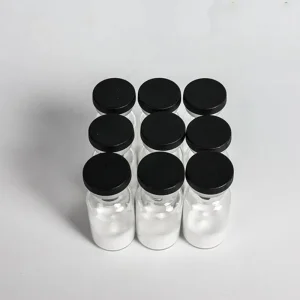
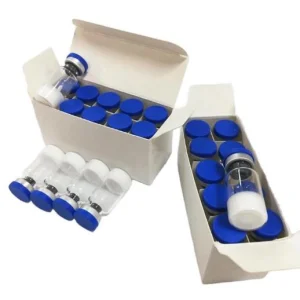
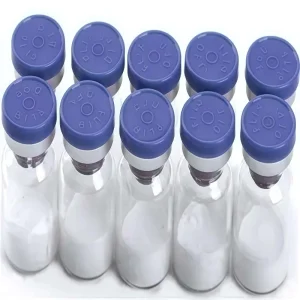
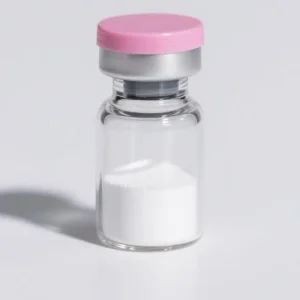
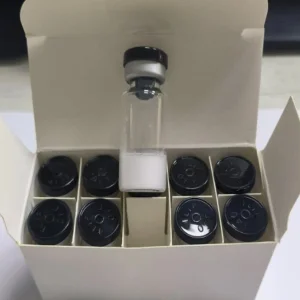
Procure high-purity chemical APIs, customized peptide vials, and fine pharmaceutical intermediates backed by complete analytical documentation, HPLC assay verifications, and global batch tracking.
Understanding the structural, thermodynamic, and pharmacokinetic specifications of Chloroquine Diphosphate required for global active pharmaceutical ingredient (API) formulations and advanced biochemical synthesis.
Chloroquine Diphosphate, designated under Chemical Abstracts Service registry number 50-63-5, has the chemical formula C18H26ClN3 · 2H3PO4. It exists as a 4-aminoquinoline derivative salt formed via the stoichometric neutralization of chloroquine with two orthophosphoric acid molecules, ensuring exceptional water solubility and cellular membrane permeation.
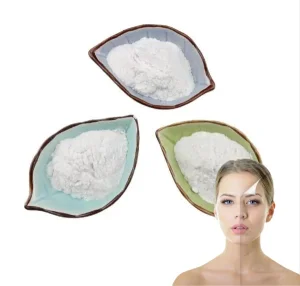
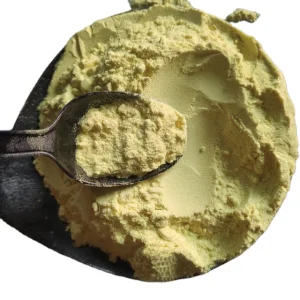
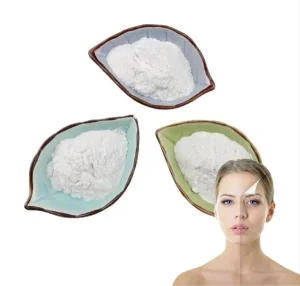
Appearing as a white to almost white crystalline powder, CAS 50-63-5 is odorless and possesses a disyllabic bitter taste. It exhibits polymorphism with two stable crystalline phases: an anhydrous form melting between 215°C and 218°C, and a hydrated solvate. Chinese manufacturers utilize precision anti-solvent crystallization to ensure narrow crystal size distribution (CSD).
The diphosphate salt structure gives the molecule outstanding aqueous solubility (approximately 100 mg/mL at 20°C in deionized water), while maintaining near insolubility in non-polar organic solvents such as chloroform, benzene, and anhydrous ether. This behavior is crucial for downstream liquid formulation and pharmaceutical tablet compressibility.
| Analytical Parameter | USP / EP Pharmacopeial Standard | Standard Chinese Factory COA Guarantee | Testing Methodology |
|---|---|---|---|
| Chemical Appearance | White or slightly yellowish crystalline powder | Conforms (Pure white microcrystalline) | Visual Inspection / Colorimetry |
| Identity Test (A, B, C) | Infrared absorption; Phosphate ion reaction | Conforms fully to standard reference spectrum | FTIR Spectrometry & Wet Chemistry |
| Assay Content (Dried Basis) | 98.5% – 101.5% | 99.2% – 100.4% | Potentiometric Titration / HPLC |
| pH Value (10% aqueous sol.) | 3.5 to 4.5 | 3.8 to 4.2 | Potentiometric Glass Electrode |
| Chromatographic Purity | Total impurities ≤ 1.0%; Individual ≤ 0.5% | Total impurities ≤ 0.35%; Individual ≤ 0.15% | Reverse-Phase HPLC-UV (254 nm) |
| Loss on Drying (LOD) | ≤ 2.0% (at 105°C for 2 hours) | ≤ 0.8% | Thermogravimetric Oven Drying |
| Heavy Metals (Pb, As, Cd, Hg) | ≤ 20 ppm max | ≤ 10 ppm (Individually quantified) | ICP-MS Spectrometry |
China’s leadership in fine chemical synthesis and pharmaceutical intermediate production provides unparalleled raw material integration, synthesis scalability, and export consistency.
The synthetic production of CAS 50-63-5 relies on 4,7-dichloroquinoline (CAS 86-98-6) and Novaldiamine (4-diethylamino-1-methylbutylamine, CAS 140-80-7). Leading Chinese manufacturing clusters located in Hebei, Shandong, and Jiangsu produce these core raw materials in-house or via dedicated park pipelines, eliminating overseas supply-chain risks and reducing intermediate cost spikes.
Modern Chinese API facilities have moved away from conventional manual batch glass-lined reactors to micro-channel continuous flow reaction systems. This shift enables precise temperature management during exothermic amination reactions, minimizing thermal degradation byproducts like 7-chloroquinolin-4-ol and yielding crude purities consistently over 99.4%.
Operating inside certified provincial chemical industrial zones, top manufacturers comply with strict ISO 14001, ISO 45001, and environmental emission mandates. State-of-the-art MVR (Mechanical Vapor Recompression) wastewater treatment and VOC thermal oxidizers ensure non-disruptive production schedules regardless of seasonal regulatory crackdowns.
Every metric ton of CAS 50-63-5 adheres to a traceable multi-barrier quality release system conforming to ICH Q7 guidelines for active pharmaceutical ingredients.
Strict testing of 4,7-dichloroquinoline and Novaldiamine lots using GC-MS and Karl Fischer titration before reactor charging.
Thermal amination at controlled stoichiometry (120–140°C), monitored by in-process HPLC to achieve >98% intermediate conversion.
Acidification with analytical-grade orthophosphoric acid in absolute ethanol or methanol, followed by programmed seeded cooling crystallization.
Vacuum drying inside Class 100,000 cleanrooms to eliminate residual volatile solvents (ethanol, acetone) below ICH Q3C limits.
Full analytical release: HPLC assay, impurity profiling, ICP-MS heavy metals, sealed in tamper-proof UN-certified drums with inert gas purging.
Beyond traditional antimalarial protocols, CAS 50-63-5 remains an indispensable compound in autoimmune therapeutics, biochemical oncology research, and endosomal autophagy inhibition.
CAS 50-63-5 stands as a baseline treatment for sensitive strains of Plasmodium vivax, Plasmodium ovale, and Plasmodium malariae. By accumulating within the acidic digestive vacuole of the parasite and inhibiting biocrystallization of toxic free heme into inert hemozoin, it disrupts the parasite's membrane integrity and induces rapid parasitic lysis.
Formulated into finished pharmaceutical tablets, Chloroquine Diphosphate serves as a disease-modifying antirheumatic drug (DMARD). It treats systemic lupus erythematosus (SLE) and rheumatoid arthritis by modulating antigen processing in dendritic cells and down-regulating pro-inflammatory cytokine cascades like TNF-alpha and interleukin-6.
In biochemical and oncology labs, CAS 50-63-5 functions as a lysosomotropic agent. By diffusing across organelle membranes and becoming protonated, it raises intra-lysosomal pH, disabling acid hydrolases and preventing autophagosome-lysosome fusion. This makes it a standard reference compound for exploring cancer chemo-sensitization and viral endosomal entry.
Procurement directors and contract manufacturing organizations (CMOs) require transparent regulatory documentation and physical sample validations to satisfy global import guidelines.
Verify that the Chinese factory holds active Drug Master Files (US-FDA Type II DMF) or a Certificate of Suitability (CEP) from EDQM to expedite local formulation approvals.
Material must be packed in double-layer polyethylene pharmaceutical bags with food-grade desiccants, enclosed in rigid 25 kg fiber drums with tamper-evident seal bands.
Reputable suppliers support sample re-testing via certified global analytical houses (SGS, Eurofins, Intertek) to independently verify NMR, HPLC, and heavy metal metrics.
Chloroquine Diphosphate retains stability for 48 to 60 months when preserved at controlled room temperatures (15°C to 25°C), shielded from direct moisture, acid vapors, and light exposure.
Direct, highly-detailed technical answers to critical procurement, regulatory, and quality control inquiries encountered by chemical importers and pharmaceutical formulators.
CAS 54-05-7 refers to the free base form of chloroquine, which has limited aqueous solubility and is prone to oxidative darkening. CAS 50-63-5 is the diphosphate addition salt containing two orthophosphoric acid molecules per chloroquine molecule. This salt formation increases water solubility to over 100 mg/mL, improves thermal and crystalline stability, and serves as the active ingredient in oral tablets and sterile injectables.
Key impurities monitored under EP/USP monographs include Impurity A (7-chloroquinolin-4-ol), Impurity B (novaldiamine remnants), and Impurity D (the bis-chloroquine dimer formed during high-temperature amination). Top-tier Chinese facilities implement high-resolution RP-HPLC and continuous flow reactors to keep individual impurities below 0.15% and total impurities well below 0.5%.
Qualified manufacturers produce material conforming to current monographs of USP (United States Pharmacopeia), BP (British Pharmacopoeia), EP (European Pharmacopoeia), IP (Indian Pharmacopoeia), and ChP (Chinese Pharmacopoeia). Multi-compendial COAs verifying dual USP/EP compliance are routinely provided for export orders.
For commercial pharmaceutical manufacturing, standard export packaging is 25 kg fiber drums lined with dual polyethylene vacuum bags. Trial and pilot batches for analytical reference, formulation verification, or in-vitro testing can be supplied in 1 kg, 5 kg, or 10 kg aluminum foil pouches with food-grade desiccants.
China controls an estimated 70% to 80% of global upstream intermediate synthesis for 4,7-dichloroquinoline. This deep integration allows Chinese plants to maintain continuous multi-ton inventories, offering global formulators lower lead times and protection against raw material shortages compared to facilities that rely on imported precursors.
CAS 50-63-5 typically clears under HS Code 2933.49. Standard export shipping packages include a formal Commercial Invoice, Packing List, Certificate of Analysis (COA) corresponding to the drum lot numbers, SDS conforming to GHS/CLP regulations, Certificate of Origin (COO), and Non-Dangerous Goods declarations where air freight testing is verified.
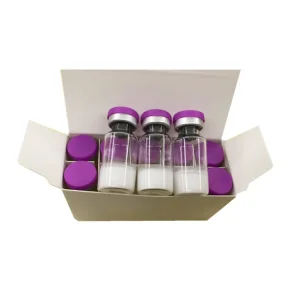
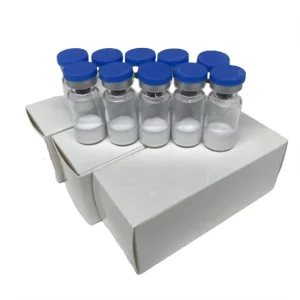
Browse our full range of peptide freeze-dried powders, weight-management analogs, and specialty hormone reference materials produced under strict cGMP protocols.