Direct supply from Hebei Miaoou Technology production facilities. Certified batch purity verified by HPLC, MS identity, and custom packaging support.
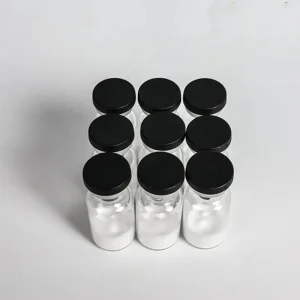
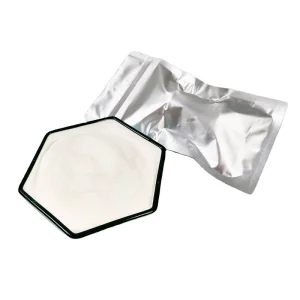
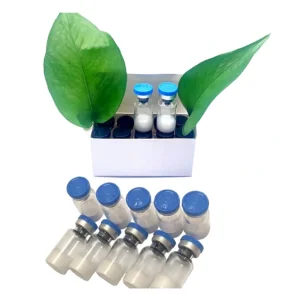
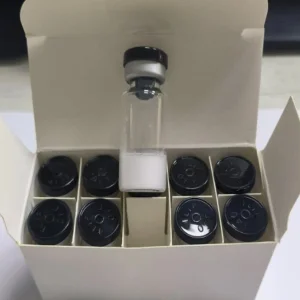
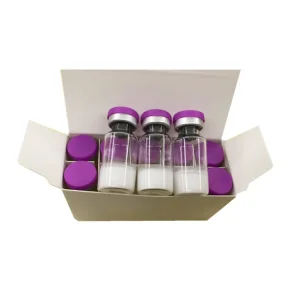
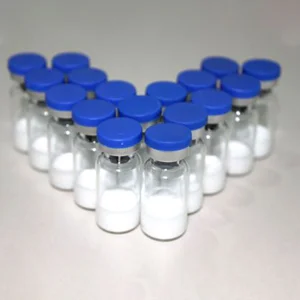
An in-depth chemical evaluation for research procurement specialists, pharmaceutical raw material buyers, and laboratory auditors.
CAS 77591-33-4 corresponds universally in global chemical databases to Thymosin Beta 4 (Tβ4), an endogenous 43-amino-acid actin-sequestering peptide. Within global commercial, life science, and biochemical supply chains, this CAS registry identifier is also frequently referenced in connection with synthetic oligopeptide analogs designated as TB-500. Structurally, full-length Thymosin Beta 4 represents a complex polypeptide with the chemical formula C212H350N56O78S, possessing an acetylated N-terminus (Ac-Ser-Asp-Lys-Pro-Asp-Met-Ala-Glu-Ile-Glu-Lys-Phe-Asp-Lys-Ser-Lys-Leu-Lys-Lys-Thr-Glu-Thr-Gln-Glu-Lys-Asn-Pro-Leu-Pro-Ser-Lys-Glu-Thr-Ile-Glu-Gln-Glu-Lys-Gln-Ala-Gly-Glu-Ser-OH).
In pharmaceutical and chemical literature, synthetic sequences often leverage automated Solid-Phase Peptide Synthesis (SPPS) using Fmoc (9-fluorenylmethyloxycarbonyl) or Boc (tert-butyloxycarbonyl) protection methodologies. Because the molecule contains several reactive lysine (ε-amino) and carboxylate side chains, the peptide is prone to deamidation (specifically at Asn26), methionine oxidation (Met6 → Met(O) sulfoxide), and aspartyl rearrangement (isoaspartate formation at Asp2, Asp5, and Asp13). Chinese industrial manufacturers specialized in high-volume synthesis have optimized automated flow platforms, microwave-assisted coupling, and preparative high-performance liquid chromatography (RP-HPLC) with dedicated axial compression columns to systematically suppress these degradation pathways below stringent International Council for Harmonisation (ICH) thresholds.
| Analytical Parameter | Pharmacopoeial / Reference Standard | Typical Chinese Factory Release Specs (Batch Standard) | Analytical Instrumentation Method |
|---|---|---|---|
| Appearance | White to off-white lyophilized cake / powder | Pure white sterile lyophilized cake or amorphous powder | Visual / Automated Optical Inspection |
| Chemical Identification | Conforms to theoretical peptide mass spectra | Exact monoisotopic match: 4963.50 ± 0.5 Da | Electrospray Ionization Mass Spectrometry (ESI-MS) / MALDI-TOF |
| Chromatographic Purity (HPLC) | ≥ 98.0% (area normalization) | ≥ 99.00% – 99.65% | RP-HPLC (C18 / C8 column, 0.1% TFA / ACN gradient, 214/220 nm) |
| Single Max Unknown Impurity | ≤ 1.0% | ≤ 0.40% (ICH Q3A guideline compliance) | High-Resolution Reverse Phase UHPLC |
| Net Peptide Content | ≥ 80.0% | 82.5% – 88.0% (accurately corrected for counter-ions) | Elemental Nitrogen Analysis / Quantitative Amino Acid Analysis (AAA) |
| Counter-Ion Profiling | Trifluoroacetate (TFA) or Acetate (AcO−) | Acetate replacement ≤ 0.1% TFA for biocompatible cell cultures | Ion-Exchange Chromatography (IC) / 19F-NMR |
| Residual Solvents | ICH Class 2 & 3 limits | Acetonitrile < 410 ppm, DMF < 880 ppm, DCM < 600 ppm | Headspace Gas Chromatography (GC-HS-FID) |
| Bacterial Endotoxins | ≤ 5.0 EU/mg (research grade); ≤ 2.0 EU/mg (API grade) | < 0.5 EU/mg (pyrogen-free closed-loop synthesis) | Kinetic Turbidimetric Limulus Amebocyte Lysate (LAL) Assay |
| Moisture Content (Karl Fischer) | ≤ 8.0% | ≤ 4.5% (secondary freeze-drying protocol under dry N2) | Coulometric Karl Fischer Titration |
A multi-tiered competitive advantage spanning upstream precursor integration, engineering scale, and rigorous analytical quality control.
China manufactures more than 75% of the world's raw Fmoc-protected amino acids, coupling reagents (such as HBTU, HATU, PyBOP), specialty solid supports (Wang resin, 2-chlorotrityl chloride resin), and purification media.
Producers in Hebei (e.g., Shijiazhuang bio-chemical clusters), Jiangsu, and Zhejiang operate without the transcontinental supply bottlenecks that inflate European and North American peptide manufacturing costs. Direct access to high-purity building blocks eliminates 30-45% of gross material expenses and dramatically reduces synthesis lead times.
Synthesizing a 43-mer peptide at kilogram scale requires exceptional chemical coupling efficiency. If an individual amino-acid coupling step operates at 98.5% efficiency, the theoretical yield over 42 consecutive coupling cycles collapses to less than 53% crude peptide.
Leading Chinese facilities implement automated 50L to 500L peptide synthesis vessels with real-time UV monitoring of deprotection cycles and conductivity tracking, elevating step yields beyond 99.4%. This technological edge makes multigram and multi-kilogram batch releases economically feasible.
Industrial-scale preparative RP-HPLC using 200mm to 600mm dynamic axial compression (DAC) columns packed with spherical 10μm or 15μm C18 stationary phases allows Chinese factories to separate closely eluting diastereomers, truncations (des-Ser, des-Lys), and oxidation products.
Custom-built cleanroom lyophilizers featuring Class A laminar flow cabinets handle secondary sublimation cycles under controlled humidity (<30% RH), sealing lyophilized vials under nitrogen to prevent atmospheric moisture pickup.
Strategic transformations shaping procurement, green chemistry standards, counter-ion safety protocols, and supply chain reshoring.
Historically, most peptide synthesis protocols utilized trifluoroacetic acid (TFA) for cleavage and chromatographic mobile phases. Residual TFA salts (>5% w/w) introduce cytotoxicity in in-vitro biological assays, cellular tissue regeneration models, and stem cell cultivation.
The industry benchmark now requires manufacturers to implement in-situ ion-exchange conversions (Dowex or acetate-buffer re-equilibration) delivering CAS 77591-33-4 as an ultra-pure Acetate or Hydrochloride salt with residual TFA < 0.10%, satisfying pre-clinical safety demands.
Regulatory scrutiny surrounding Dimethylformamide (DMF), N-Methyl-2-pyrrolidone (NMP), and Dichloromethane (DCM) under EU REACH Annex XVII has triggered an aggressive push toward sustainable peptide synthesis.
Chinese technology centers are rapidly adopting greener, non-toxic bio-based solvents such as 2-Methyltetrahydrofuran (2-MeTHF), Cyclopentyl methyl ether (CPME), and gamma-valerolactone (GVL). These innovations reduce industrial hazardous waste generation by 40-60% while maintaining equivalent crude purity.
For 43-mer long peptides, traditional continuous SPPS can experience sequence accumulation errors. Leading contract development and manufacturing organizations (CDMOs) now utilize hybrid liquid-phase / solid-phase fragment condensation.
Short segments (e.g., Fragments 1-14, 15-28, 29-43) are synthesized individually, purified to >99% purity, and coupled in solution. Advanced machine learning models predict aggregation propensity and secondary structure beta-sheet formation to optimize coupling times.
Scientific exploration environments where high-purity Thymosin Beta 4 / TB-500 serves as a critical biochemical research reagent.
Tβ4 maintains the non-polymerized monomeric G-actin pool in eukaryotic cells at physiological ratios of 1:1, preventing spontaneous polymerization into F-actin filaments until stimulated by intracellular signaling cascades.
Investigated in vascular biological models for its capacity to accelerate human umbilical vein endothelial cell (HUVEC) migration, tubule formation, and vascular endothelial growth factor (VEGF) pathway modulation.
Ophthalmological wound-healing investigations assess topical formulations of CAS 77591-33-4 to accelerate epithelial cell renewal, attenuate dry-eye inflammation, and restore visual clarity following surgical injury.
Dermatological studies evaluate its anti-inflammatory properties, specifically the down-regulation of NF-κB, suppression of pro-inflammatory cytokines (IL-1β, TNF-α), and collagen-fiber alignment during scar-free tissue repair.
Essential validation criteria for contract laboratories, research institutions, and multinational distributors when auditing Chinese chemical producers.
Never accept generic statements of "99% pure". Qualified suppliers must furnish a genuine, batch-specific Certificate of Analysis (COA) containing:
Thymosin Beta 4 in solution is vulnerable to thermal stress and enzymatic cleavages. Lyophilized powders exhibit significantly higher stability but still demand strict temperature management:
International cross-border chemical movements require transparent documentation to prevent customs seizure or logistical quarantine:
Direct answers to technical, commercial, and regulatory inquiries submitted by global procurement teams.
Broad-spectrum research peptide library, API raw powders, and specialized delivery configurations from certified production lines.
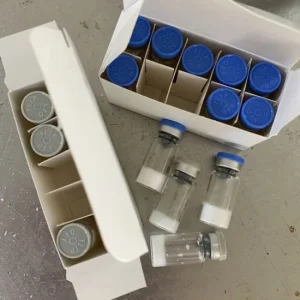
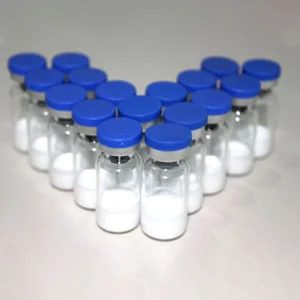
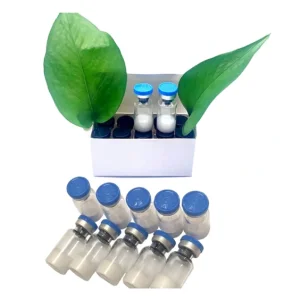
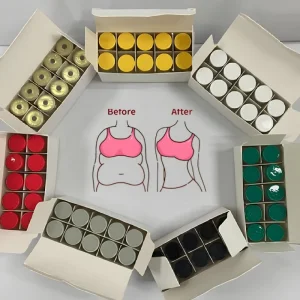
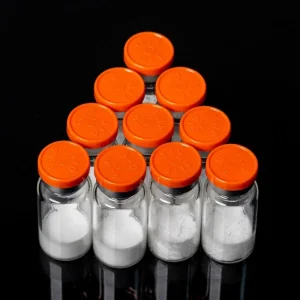
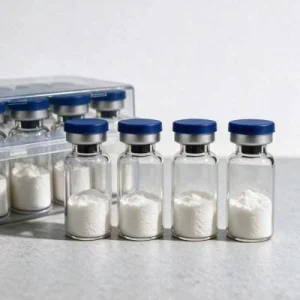
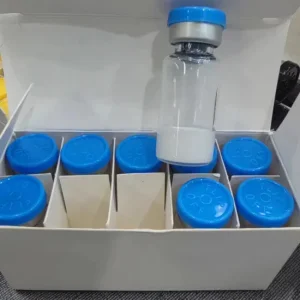
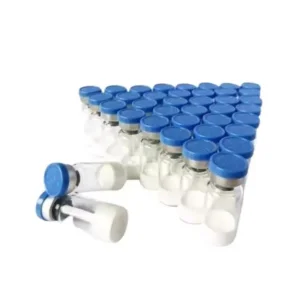
Partner with an established Chinese manufacturer backed by modern SPPS reactors, verified HPLC/MS documentation, and transparent export logistics. All products are supplied strictly for laboratory research and development (R&D) or industrial chemical formulation by qualified professionals.

